

The Importance of Disinfection and Biosecurity in Livestock Farming
Lime products are disinfection tools that have been used in livestock farming for centuries, with proven effectiveness and low cost. Features such as providing a high pH, remaining partially effective even in the presence of organic matter, and a lasting protection period make these products indispensable in modern facilities as well.
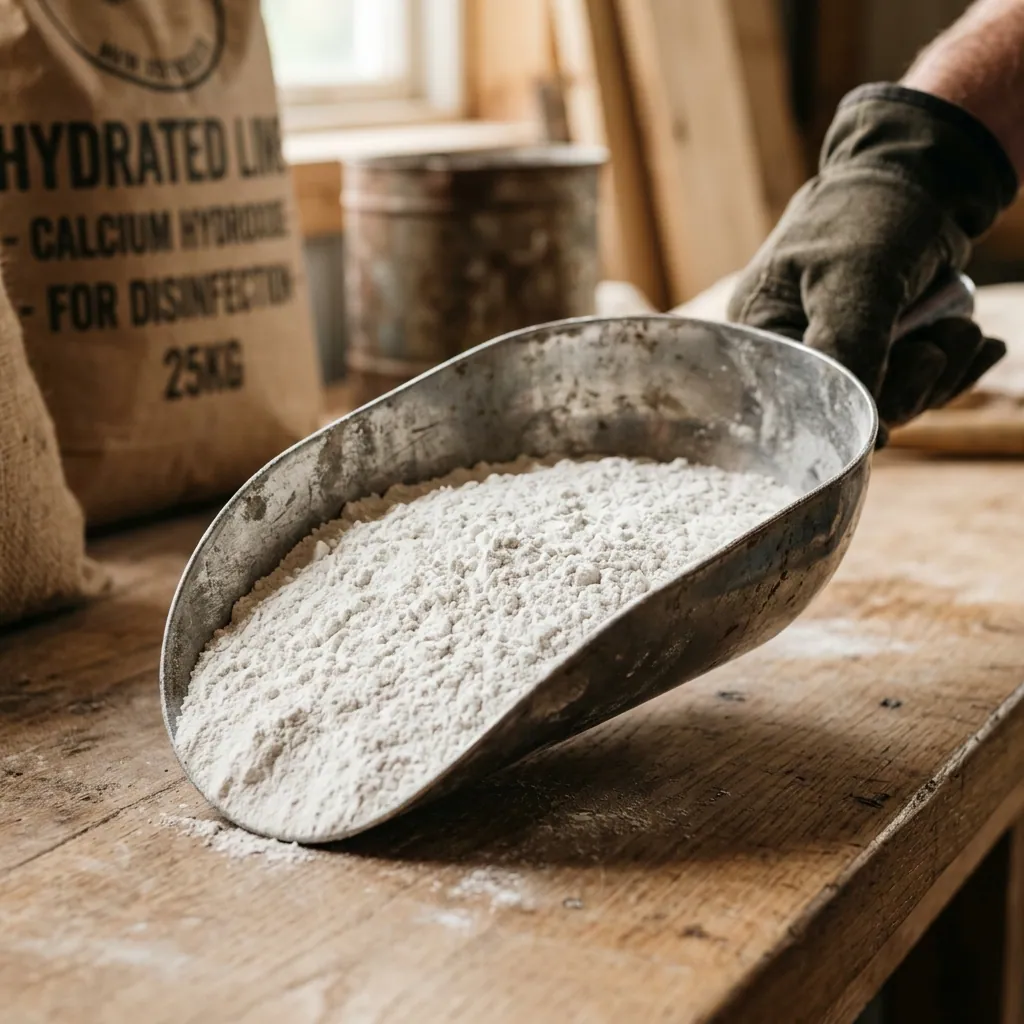
The five items in the product portfolio take on different, complementary roles. Hydrated lime (Ca(OH)₂) is the most common application in livestock farming.
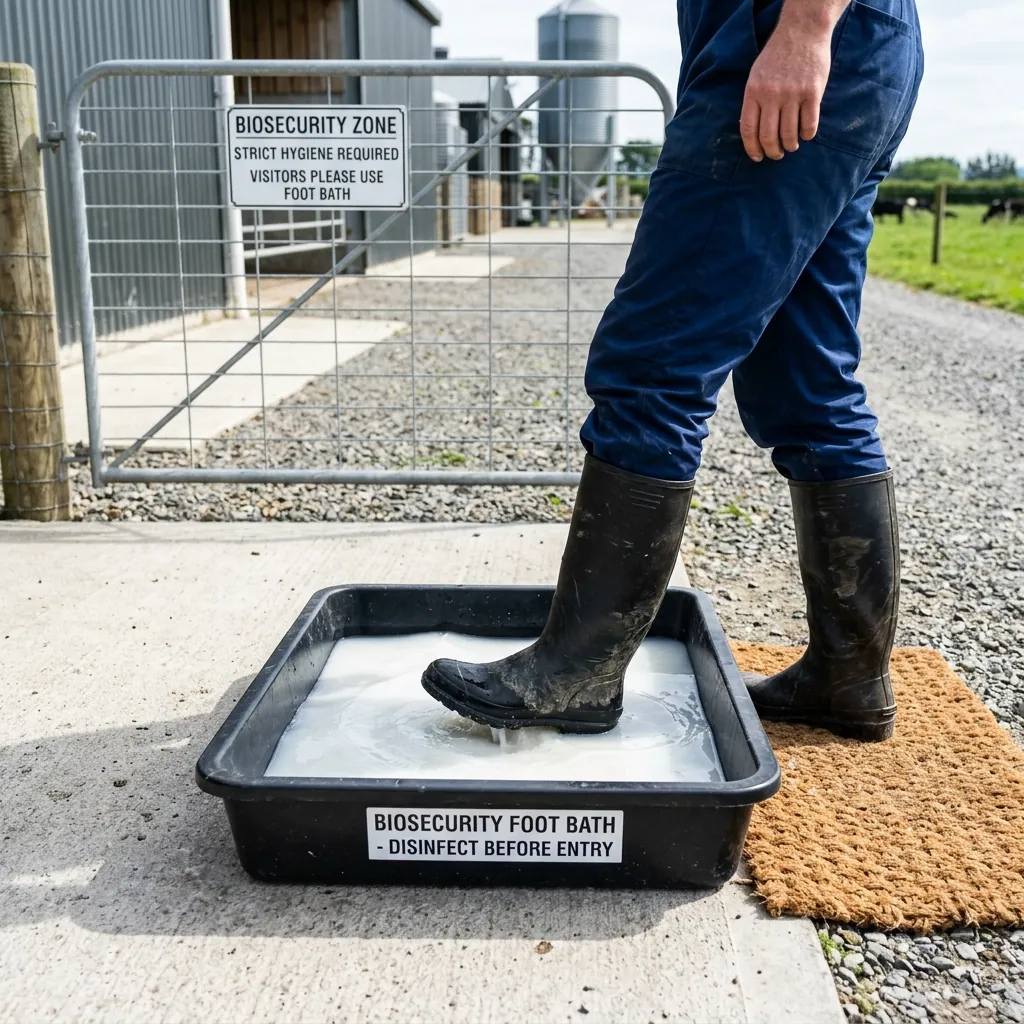
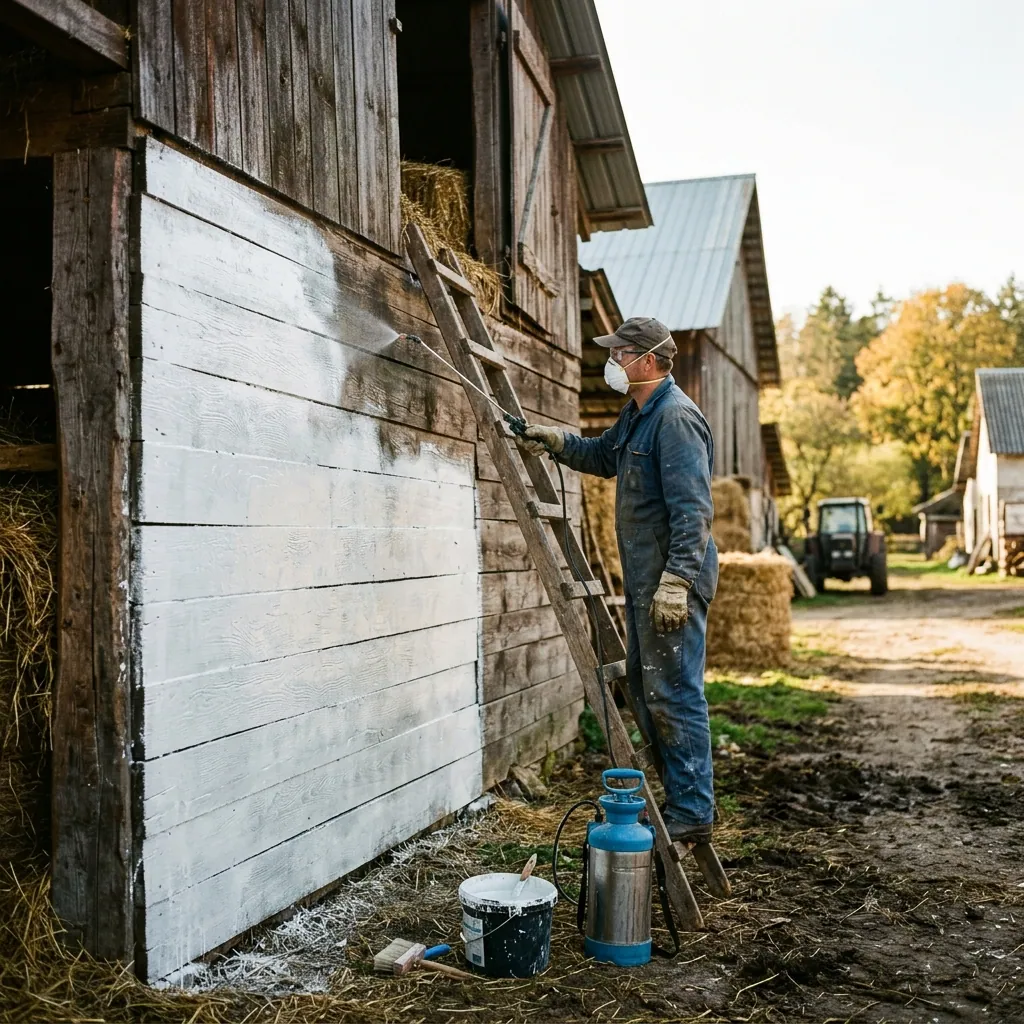
The lime wash used to paint barn walls and ceilings is generally prepared by mixing 1 kg of hydrated lime with 4-5 liters of water. On the wall surface, this mixture reaches a pH of 12.4-12.8, inactivating enveloped viruses and vegetative bacteria. A 5-10% milk of lime in foot baths is suitable for disinfecting footwear and vehicle tires at farm entry and exit points.
Main Pathogens Encountered in Livestock Operations
The pathogens encountered in livestock farming fall into four groups: bacteria, viruses, fungi and parasites, each with a different level of resistance. In cattle and sheep farming, brucellosis, tuberculosis, foot-and-mouth disease and Salmonella; in poultry farming, Newcastle, avian influenza and E.
coli; and in pig farming, African Swine Fever (ASF) and the PRRS virus are the most frequently encountered threats. The vast majority of these pathogens cannot survive in high-pH environments.
In particular, a pH of 12.4 and above inactivates enveloped viruses, vegetative bacteria and many fungi in a short time. Since spore-forming bacteria (Bacillus anthracis, Clostridium species) are more resistant, more aggressive applications are required at points where these microorganisms may be present.
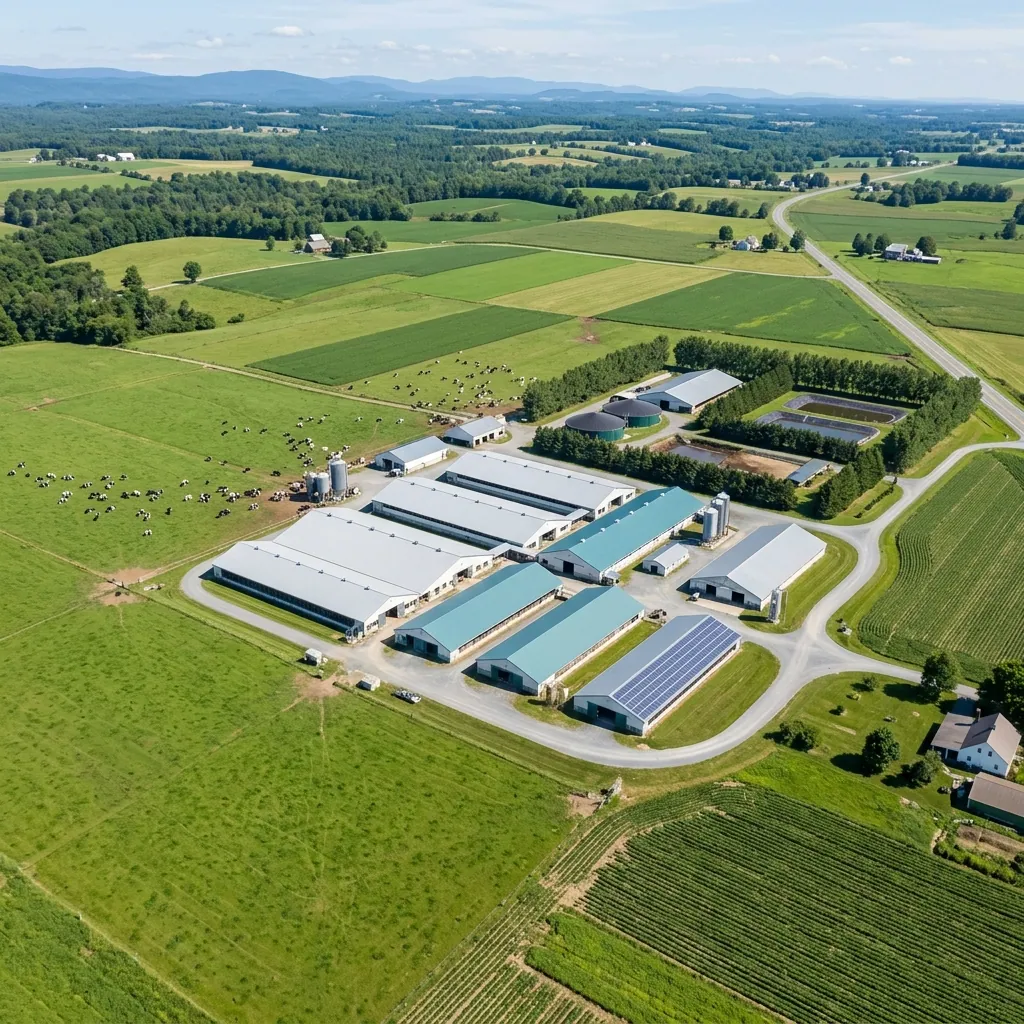
High Performance at
Industry Standard
We offer premium solutions to guarantee quality and maximise operational efficiency in Livestock Farming and Disinfection processes.
Strong Quality Control
High-purity, reliable results in compliance with international standards.
Sustainability
Energy-efficient, environmentally friendly processes that minimise the environmental footprint.
- check_circle 100% Regulatory Compliance
- check_circle Low Operating Cost
- check_circle Expert Engineering Support
- check_circle 24/7 Uninterrupted Supply Network
Basic Disinfection Methods and Application Frequency
Disinfection methods in livestock farming fall into three categories: physical, chemical and biological. Physical methods include steam, hot water and UV light, while chemical methods cover lime, sodium hypochlorite, quaternary ammonium compounds, aldehydes and peroxides.
Biological methods, on the other hand, are relatively new approaches such as probiotic applications. The application frequency varies according to the animal species, the production system and the size of the operation.
When selecting a disinfectant, the criteria of a broad spectrum of action, stability in the presence of organic matter, low toxicity to animals and workers, environmental impact and economic usability are evaluated together. Because lime-based products meet a significant portion of these criteria simultaneously, they rank high in the order of preference in livestock applications.
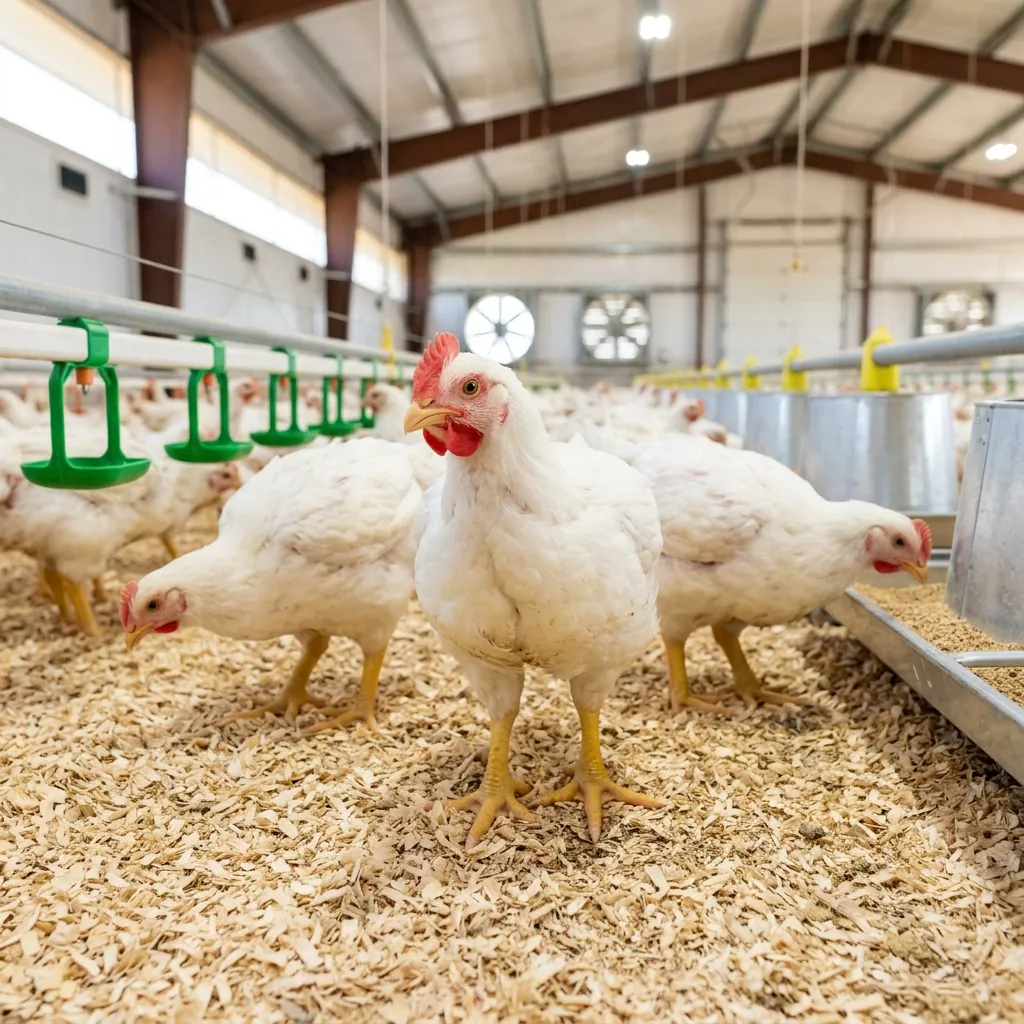
The Role of Lime-Based Disinfection Solutions in Livestock Farming
Lime products are disinfection tools that have been used in livestock farming for centuries, with proven effectiveness and low cost. Features such as providing a high pH, remaining partially effective even in the presence of organic matter, and a lasting protection period make these products indispensable in modern facilities as well.
The five items in the product portfolio take on different, complementary roles. Hydrated lime (Ca(OH)₂) is the most common application in livestock farming.
The lime wash used to paint barn walls and ceilings is generally prepared by mixing 1 kg of hydrated lime with 4-5 liters of water. On the wall surface, this mixture reaches a pH of 12.4-12.8, inactivating enveloped viruses and vegetative bacteria. A 5-10% milk of lime in foot baths is suitable for disinfecting footwear and vehicle tires at farm entry and exit points.
Technical Points to Consider in Application
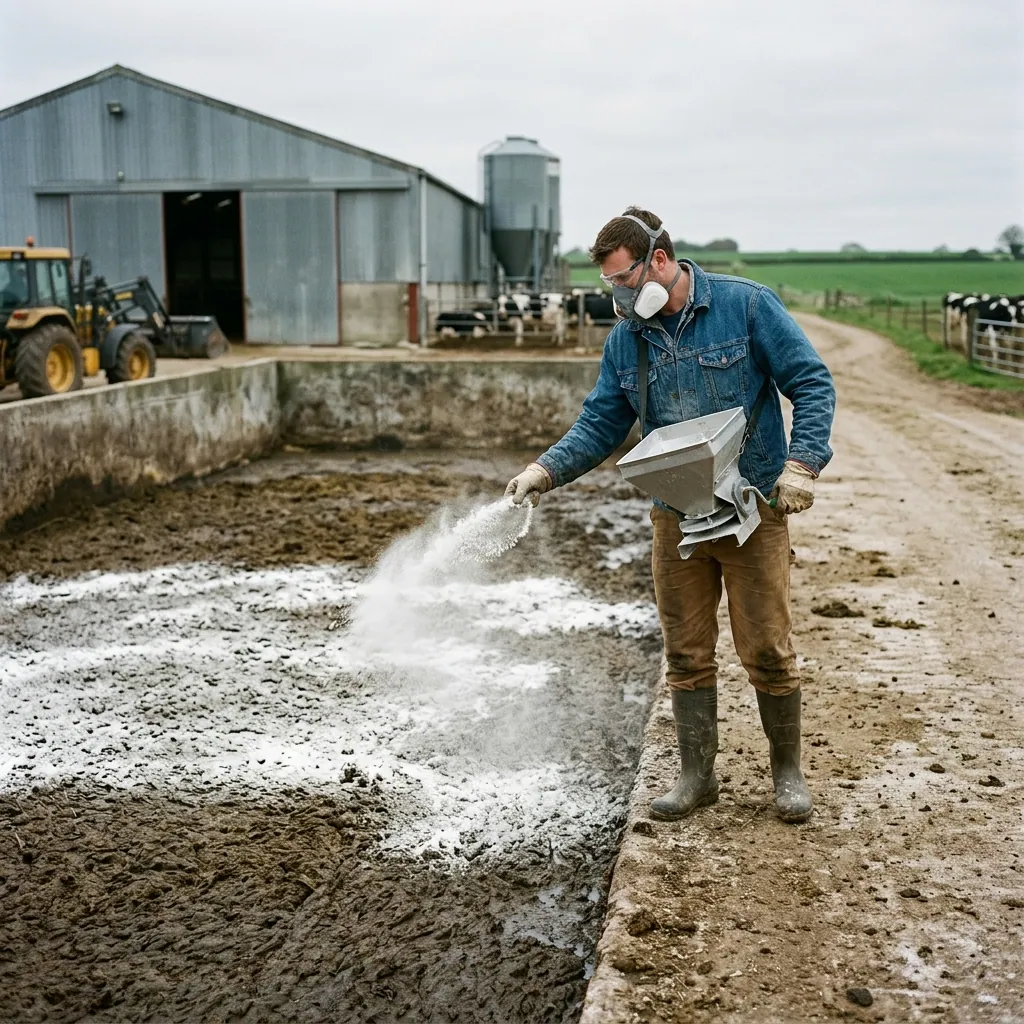
The effective and safe use of lime products depends on following certain technical rules. When quicklime comes into contact with water, intense heat is released; therefore, when preparing milk of lime, the lime should be added slowly to the water, and water should not be poured onto the lime.
Personnel should use goggles, gloves and a mask; after the procedure, surfaces should be left to dry before animals are brought back in. In barn lime-washing, the wall surface being porous and clean increases the adhesion of the lime.
Before lime-washing, greasy dirt, old lime-wash crust and organic residues should be cleaned mechanically. The application thickness should be on average 0.3-0.5 mm and applied in two coats when necessary. In foot baths, the milk of lime should be renewed daily or according to the level of contamination; once saturated with organic matter, its effectiveness drops rapidly.
Good Practice and Regulatory Framework as of 2026
As of 2026, livestock disinfection in Türkiye is regulated under the Ministry of Agriculture and Forestry's Animal Health and Police Law and the Biosecurity Regulation.
Operations are required to prepare an official biosecurity plan, use licensed disinfectants and keep records.
In European Union legislation, a similar approach applies within the framework of Regulation (EU) 2016/429, the Animal Health Law. In recent years, lime-based products have been increasingly recommended because they leave a low environmental footprint, are easily procurable and are compatible with integrated waste systems such as biogas-manure management. In line with sustainability goals, one of the prominent trends is for operations to reduce their consumption of chemical disinfectants and place greater emphasis on traditional methods such as lime, steam and mechanical cleaning.