


What Are Construction and Building Materials?
A building material is any substance used to construct or repair a structure whose physical and chemical properties are defined by standards. In Türkiye, these products are assessed under the 305/2011/EU Construction Products Regulation, and CE marking is mandatory for many categories.
Standards such as TS EN 459-1 building lime, TS EN 12620 aggregate and TS EN 197 cement form the technical reference framework of the sector. These standards together define the manufacturer's production control procedures, the product's performance class and the acceptance criteria in the field.
Building materials are divided into main groups: binders, aggregates, structural components, cladding-finishing products and insulation materials. Each group fulfills a different engineering function.
Main Classes of Building Materials and Their Functions
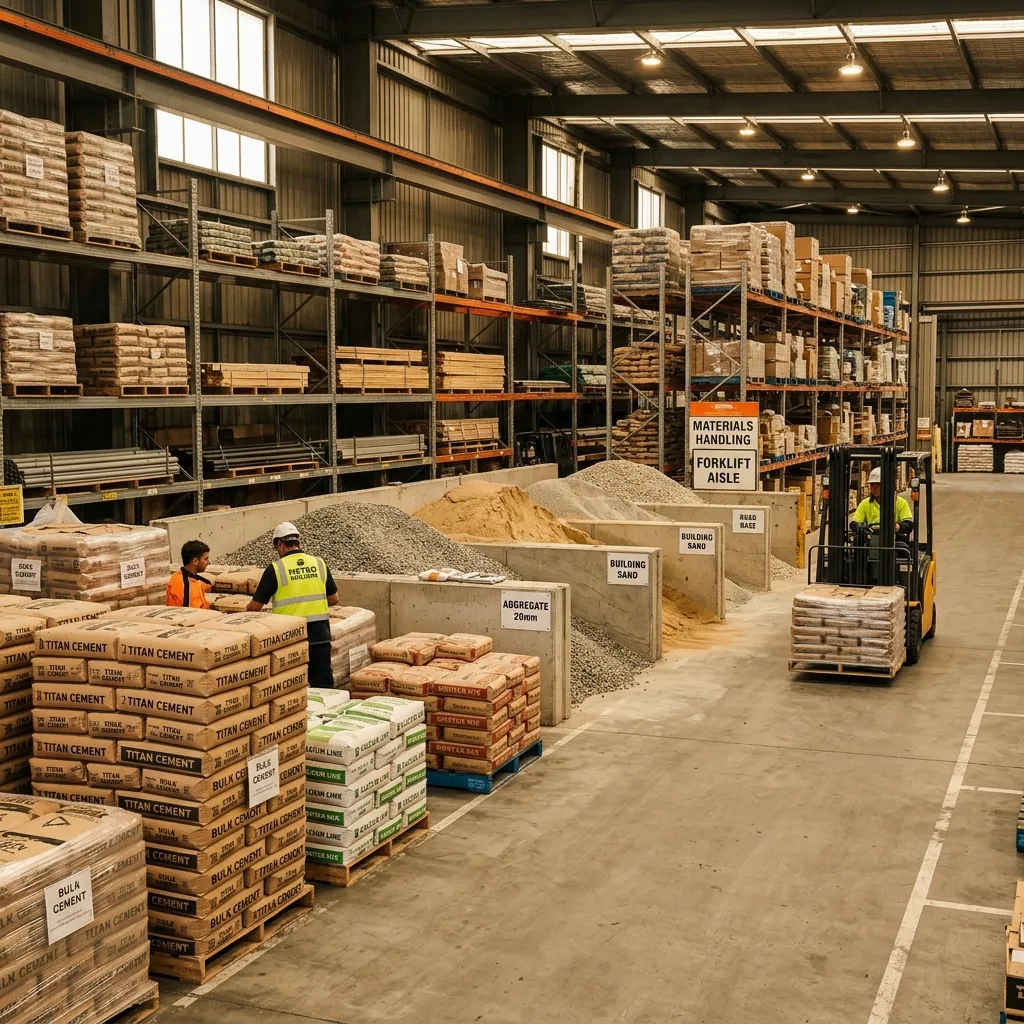
The backbone of the construction and building materials sector is formed by cement, lime and aggregate.
By combining these in the right proportions, end products such as ready-mixed concrete, mortar, plaster and road pavement are obtained.
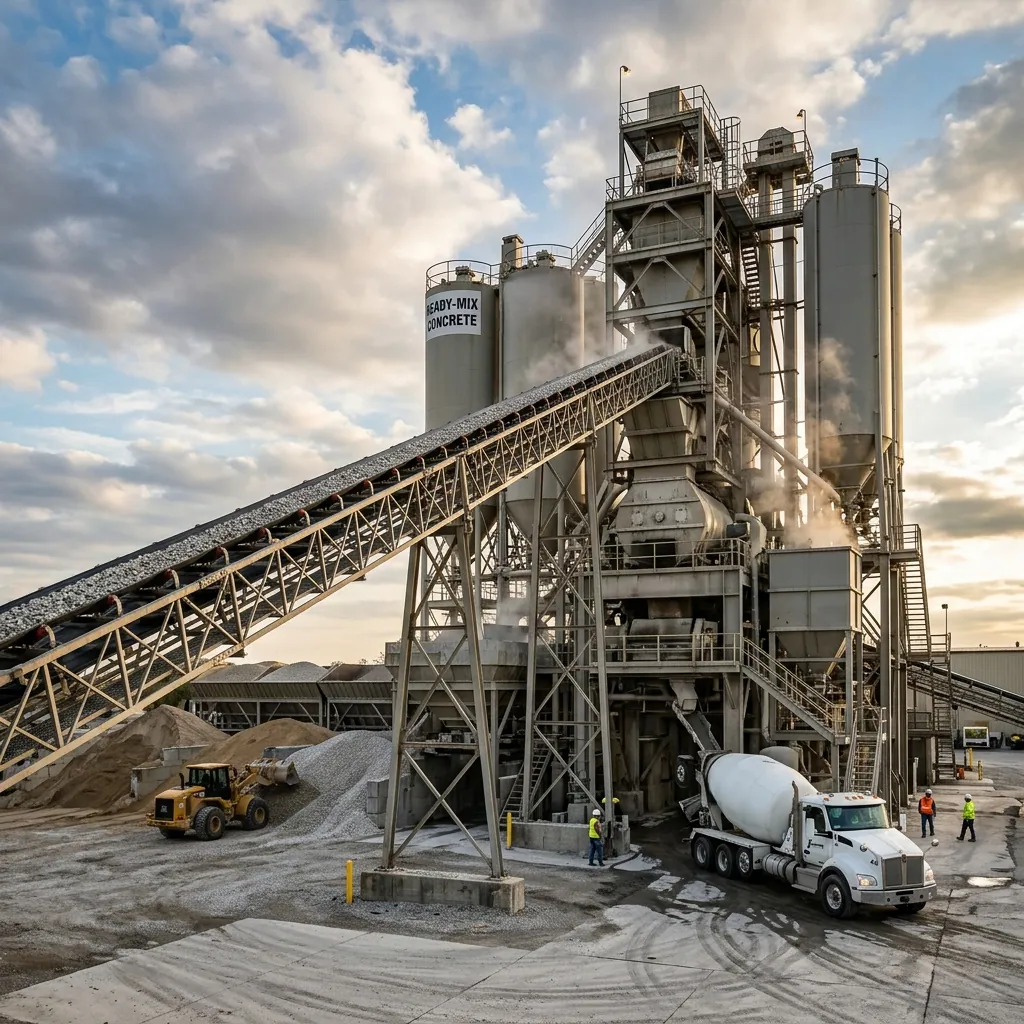
According to Turkish Ready Mixed Concrete Association data, approximately 140 million cubic meters of ready-mixed concrete were produced in 2025; this production directly demanded around 270 million tons of crushed stone, sand and gravel aggregate. These figures show that the sector is part of the backbone of the national economy in terms of both raw materials and logistics. The classification of building materials is not merely an academic taxonomy; it determines which material answers which engineering problem in the field.
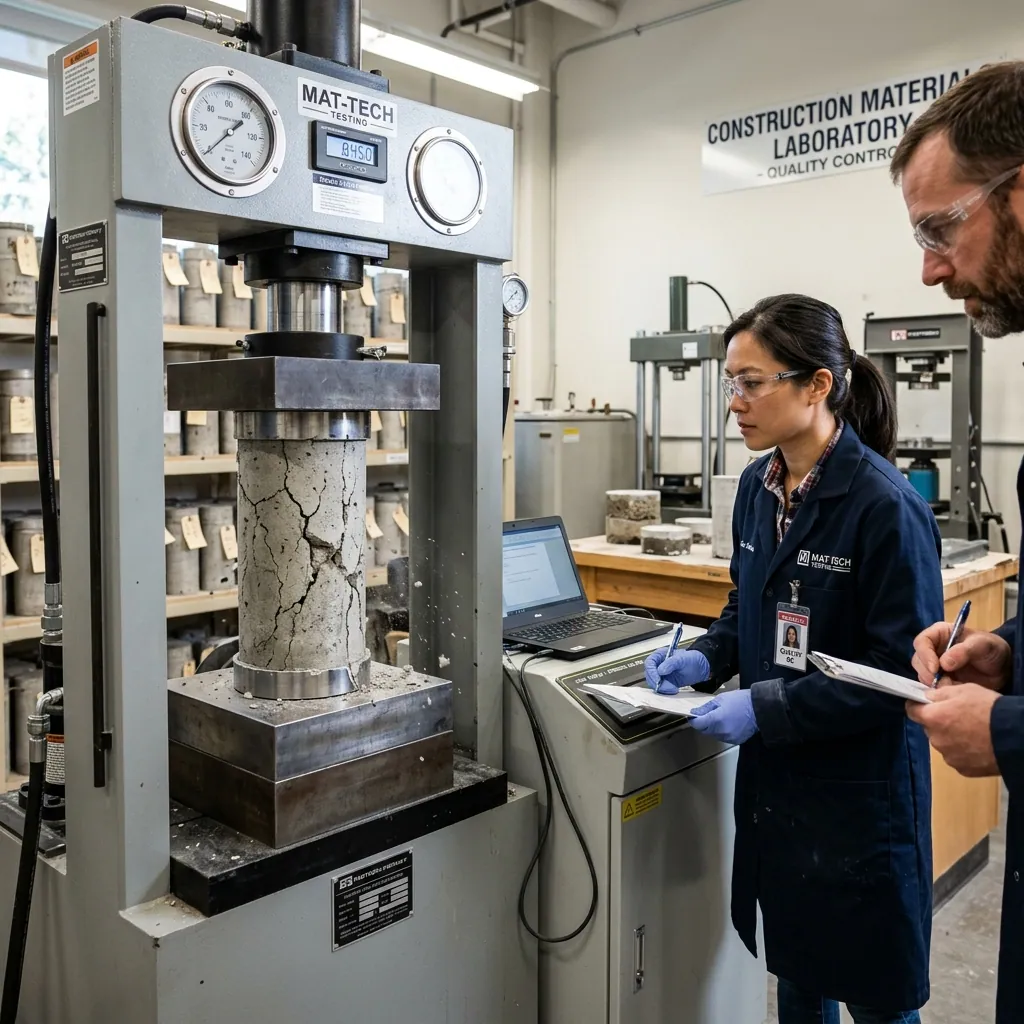
High Performance at
Industry Standard
We offer premium solutions to guarantee quality and maximise operational efficiency in Construction and Building Materials processes.
Strong Quality Control
High-purity, reliable results in compliance with international standards.
Sustainability
Energy-efficient, environmentally friendly processes that minimise the environmental footprint.
- check_circle 100% Regulatory Compliance
- check_circle Low Operating Cost
- check_circle Expert Engineering Support
- check_circle 24/7 Uninterrupted Supply Network
The Role of Lime-Based Solutions in Construction and Building Materials
In the construction and building materials process, lime-based products serve as binders in both traditional and modern structures.
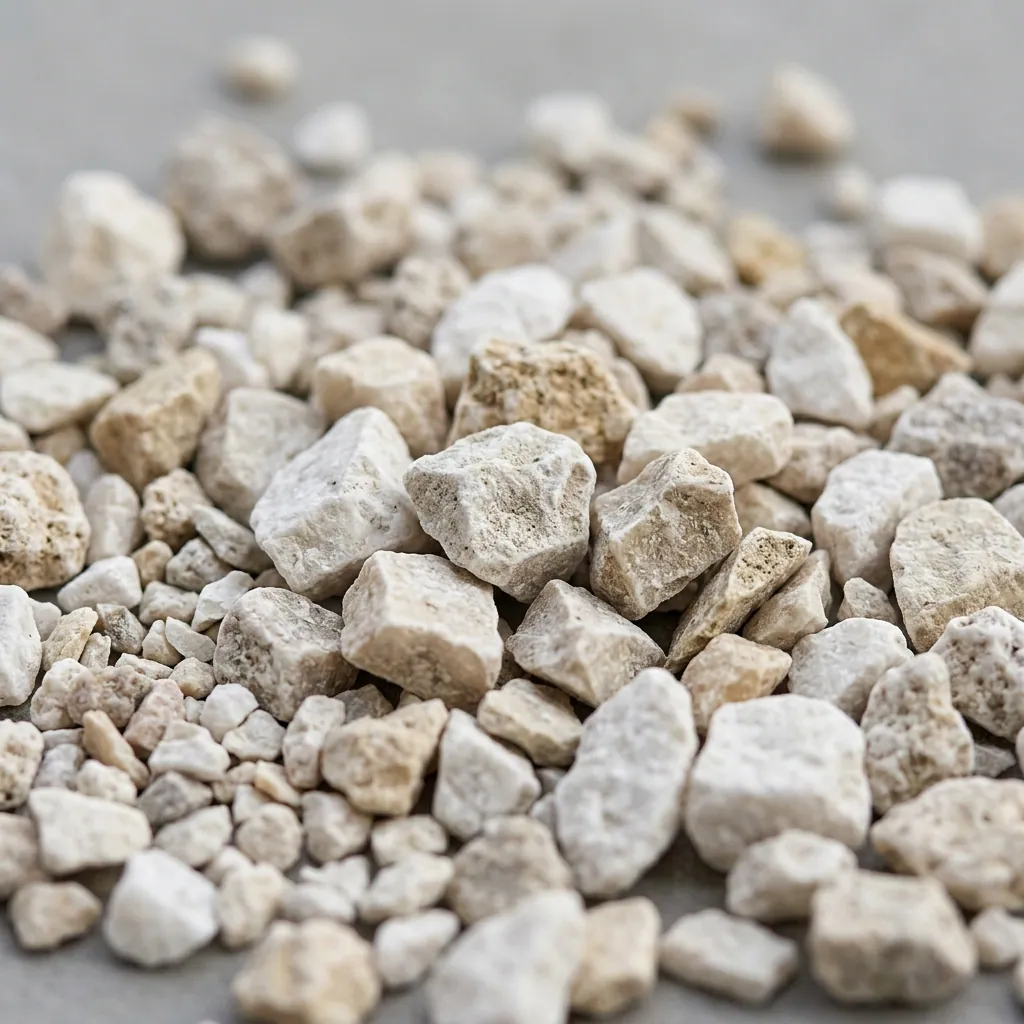
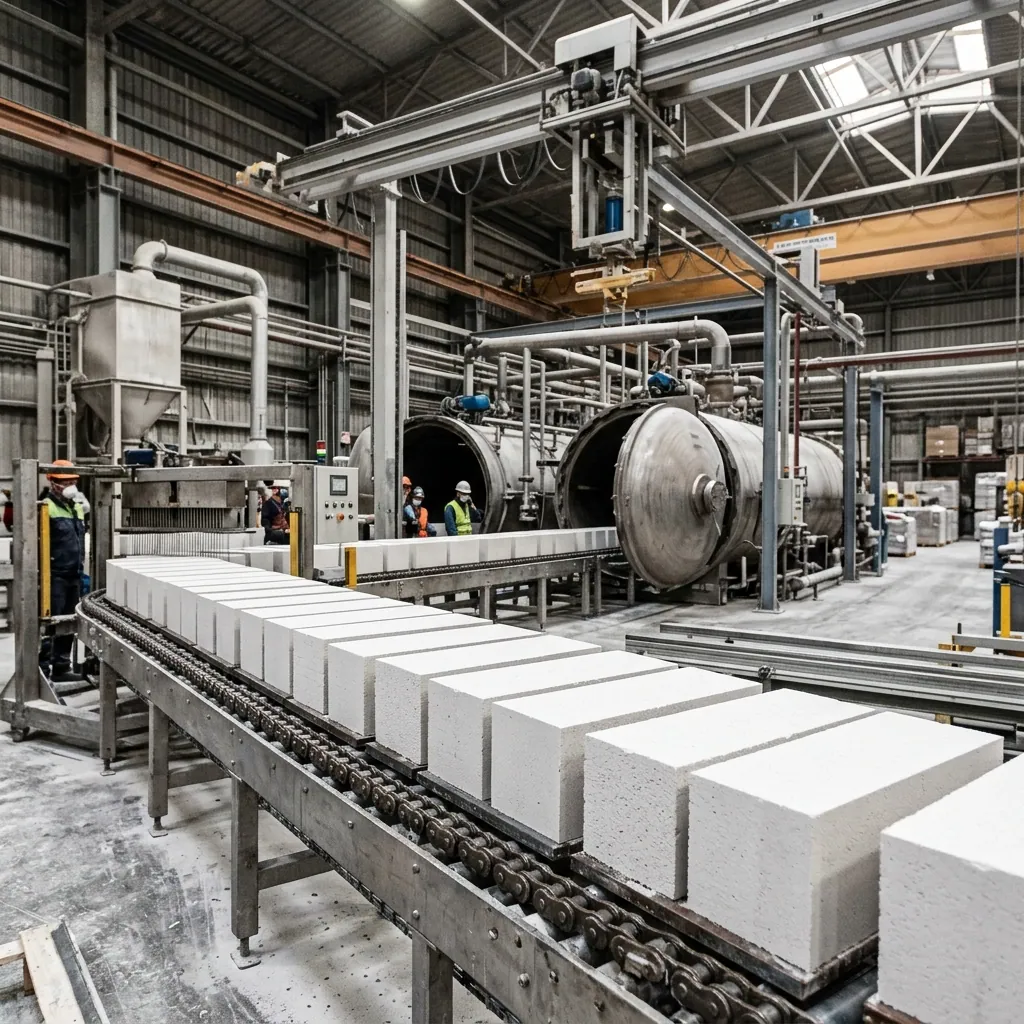
Hydrated lime, quicklime and limestone-based aggregate are the fundamental inputs of many components, from plaster to roads and from aerated concrete to asphalt.
This trio of product families is placed on the market by the manufacturer in different particle size, reactivity and purity classes in accordance with standards such as TS EN 459-1 and TS EN 12620. Hydrated lime (Ca(OH)₂) is the binder that increases workability in traditional mortars and plasters and allows the structure to breathe. According to the TS EN 459-1 standard, the CL 70, CL 80 and CL 90 classes are determined by the percentage of calcium and magnesium oxide they contain; as the class rises, purity and reactivity increase.

Technical Parameters in Plaster, Mortar and Concrete Production
The field performance of building materials starts with the right mix design. Cement dosage, water-cement ratio, aggregate grain distribution and lime addition must be evaluated together.
In traditional hybrid mortars, a common rule is to add 1-2 volumes of hydrated lime and 5-6 volumes of sand to one volume of cement. Compared with pure cement mortar, this mixture produces a more flexible structure with a high crack tolerance that spreads more easily on the surface.
The field craftsman's correct management of the workability time of the mortar minimizes the shrinkage cracks that will form in the final product. In ready-mixed concrete, finely ground limestone powder can be used as filler material. The filler increases the workability of the concrete by filling the voids between aggregates and improves impermeability.
Binder and Aggregate Selection in Road and Infrastructure Projects
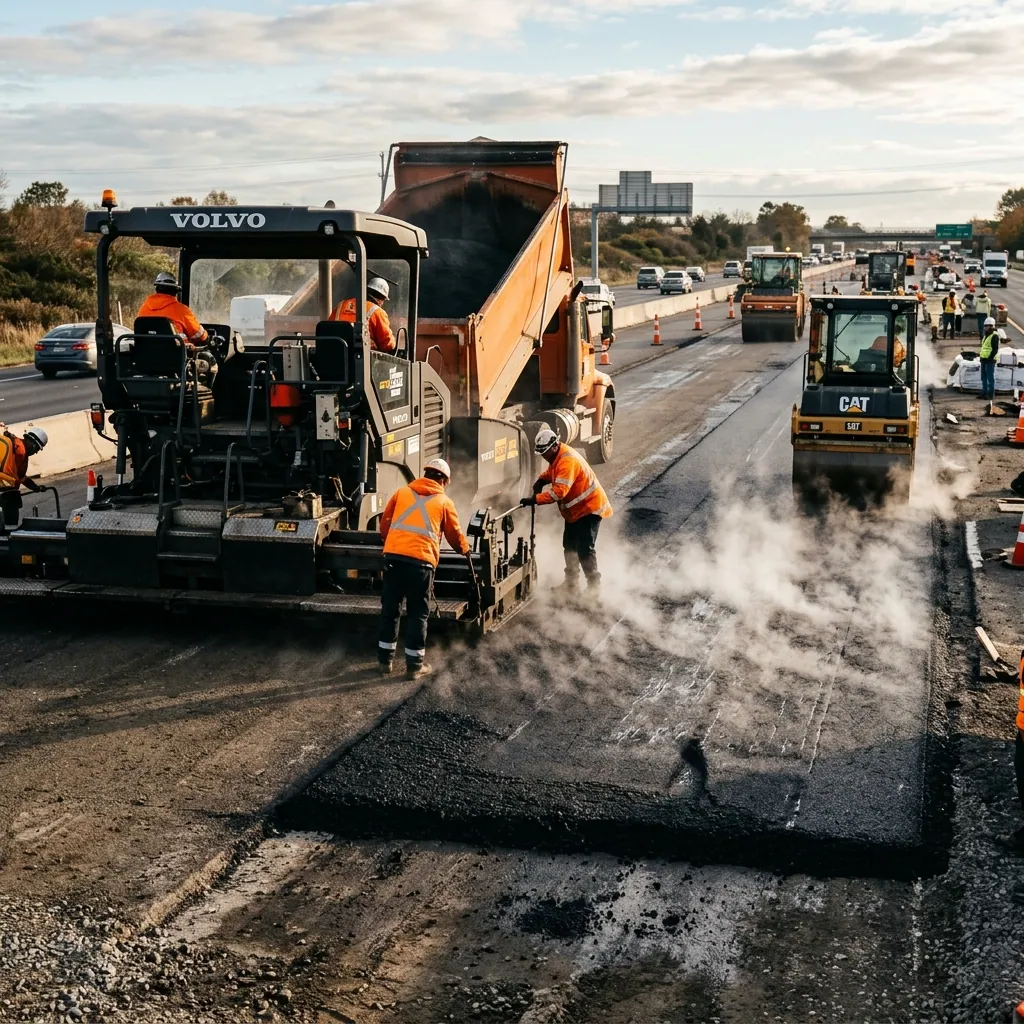
One of the largest consumption items of the construction and building materials sector is transportation infrastructure. As ready-mixed concrete, asphalt, ballast and fill material that directly withstand traffic, these products are prepared with limestone-origin aggregate and lime-based binders.
The physical properties of each product must be optimized for different functions in different layers. For subgrade preparation in clayey soils, the quicklime dosage is generally set in the range of 2-4% by weight.
The relevant technical specifications of the General Directorate of Highways describe in detail the homogeneous mixing of the lime, the pre-curing period and compaction control. When these steps are neglected, settlements that emerge later can cause fractures in the pavement layer and high maintenance costs.
Sustainable Construction and Building Material Approach as of 2026
As of 2026, sustainability is at the center of material selection in the sector. The European Green Deal and the Carbon Border Adjustment Mechanism affect the import-export processes of high-carbon products such as cement and steel.
Manufacturers are increasingly using additives such as limestone powder, fly ash and slag to lower the clinker ratio. This trend has increased the importance of lime-based supplemented cement and mortar systems.
In addition, the principle of dismantling and reuse in the life cycle of structures is coming to the fore. Because lime-based traditional mortars can be separated from brick and stone components more easily than their cement-based counterparts, the reuse of materials after demolition becomes easier. This feature aligns exactly with circular economy goals and makes the second-life story of structures economical.