

What Is Soil Improvement and Why Is It Necessary?
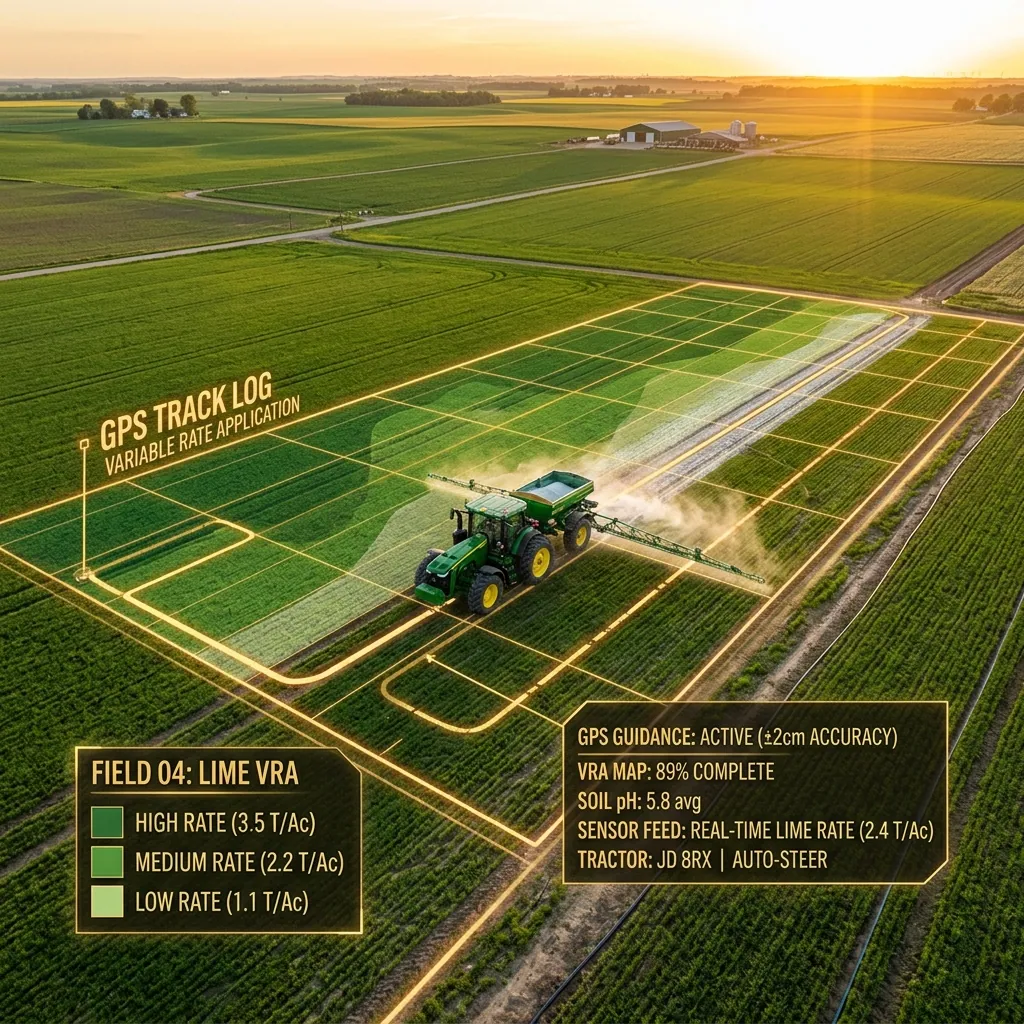
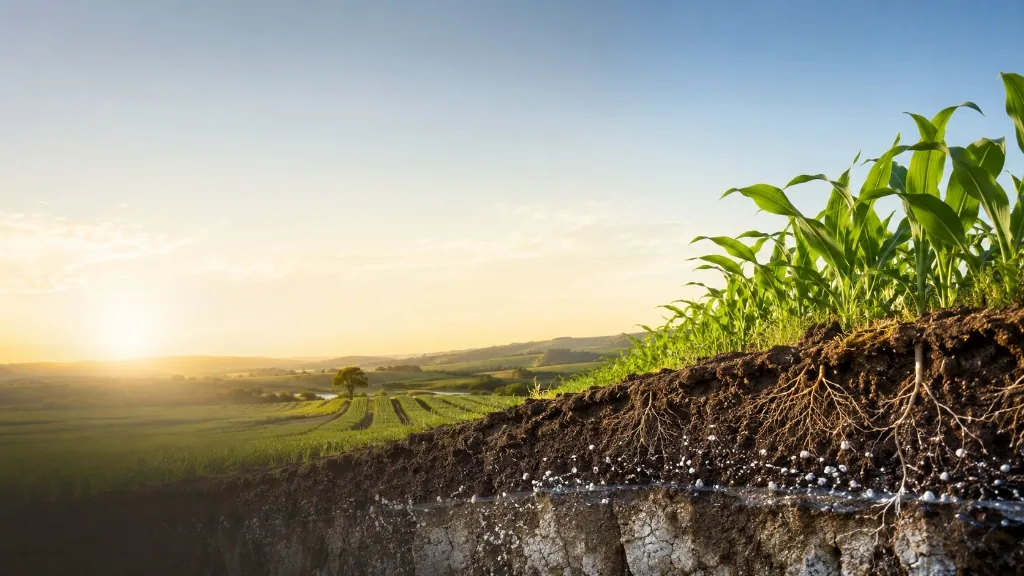
As of 2026, soil improvement in the agricultural sector is no longer treated merely as a pH-correction or salt-removal operation; it is regarded as a strategic management process integrated with carbon sequestration, water efficiency and biodiversity goals.
In practice, liming is planned together with organic matter supplementation (green manuring, compost, farmyard manure), controlled drainage and precision agriculture data.
The sustainable agriculture approach that has come onto the agenda within the framework of the European Green Deal also positions liming as a tool that reduces nitrogen loss and greenhouse gas emissions. In Türkiye, the soil analysis and fertilization support programs run by the Ministry of Agriculture and Forestry are among the important mechanisms that carry this approach to the field level.
Key Problems Degrading Soil Quality in Türkiye
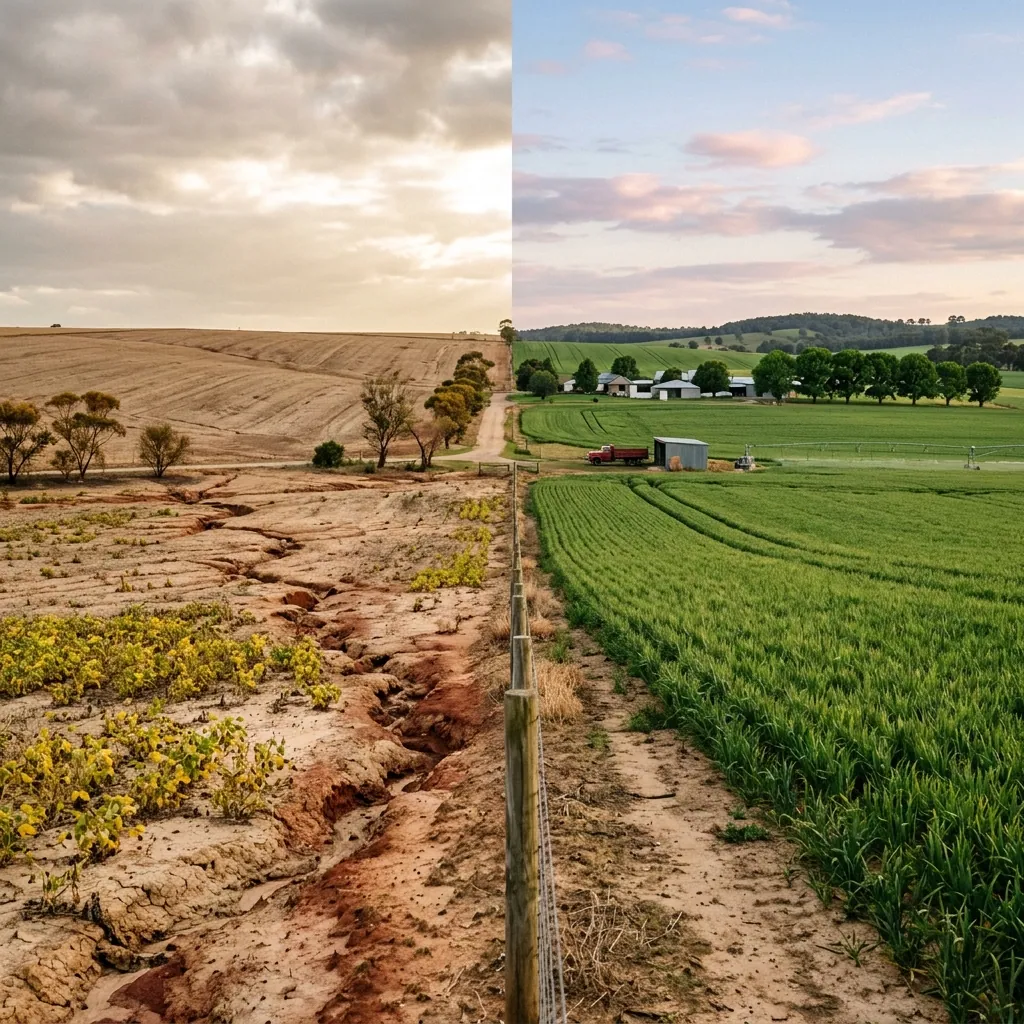
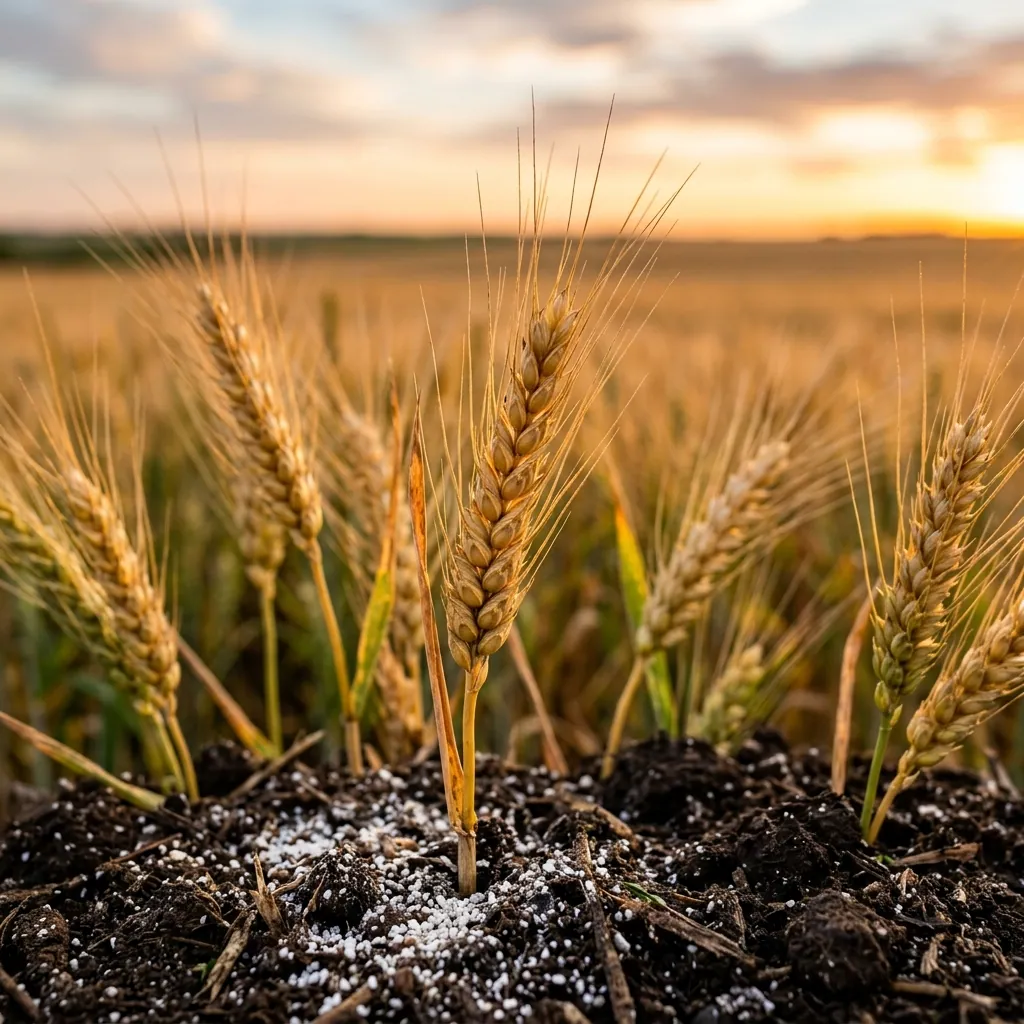
A significant portion of Türkiye's soils faces various types of degradation due to regional climatic differences and many years of monoculture farming.
While soils in rainy regions such as the Black Sea and Eastern Marmara are generally acidic in character, salinity, sodicity and inadequate drainage come to the fore in Central and Southeastern Anatolia.
On the coastal strips of the Aegean and the Mediterranean, salt accumulation and heavy metal risk are observed due to intensive vegetable growing and greenhouse cultivation. In fields planted with a single crop for a long time, the organic matter ratio can fall below 1%; below this threshold, the soil's buffer capacity weakens, water retention declines and the risk of wind and water erosion increases markedly.
High Performance at
Industry Standard
We offer premium solutions to guarantee quality and maximise operational efficiency in Agriculture and Soil Improvement processes.
Strong Quality Control
High-purity, reliable results in compliance with international standards.
Sustainability
Energy-efficient, environmentally friendly processes that minimise the environmental footprint.
- check_circle 100% Regulatory Compliance
- check_circle Low Operating Cost
- check_circle Expert Engineering Support
- check_circle 24/7 Uninterrupted Supply Network
The Role of Lime-Based Solutions in Soil Improvement
On acidic soils, the most common, most economical and longest-lasting improvement method is liming; for this reason, the first intervention that comes to mind when soil improvement is mentioned is lime application.
Which type of lime is preferred depends on the soil's current pH level, its texture, the planned crop pattern and how quickly the correction needs to be completed.
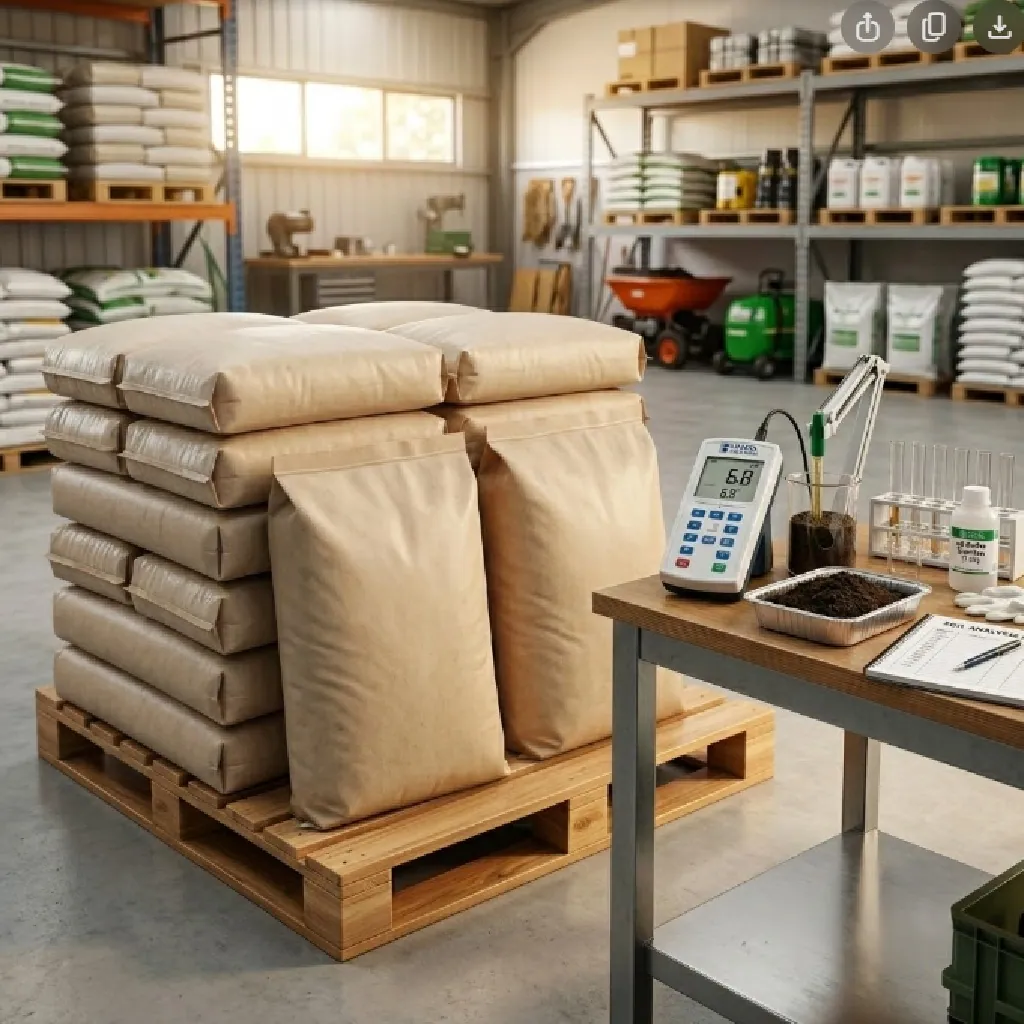
Liming does not merely raise the pH; it increases the soil's buffer capacity, improves aggregation, revives microbial activity and accelerates nitrogen mineralization. The sum of these effects brings a visible improvement in fertilizer effectiveness in subsequent seasons. Hydrated lime (Ca(OH)₂), also known as slaked lime, dissolves rapidly upon contact with water and neutralizes the H⁺ ions in the soil.
Technical Parameters in Liming Application
When liming is done correctly, the window of effect in the soil stays open for 3-5 years; when done incorrectly, side effects such as temporary excessive alkalinization and a decline in iron and zinc availability arise.
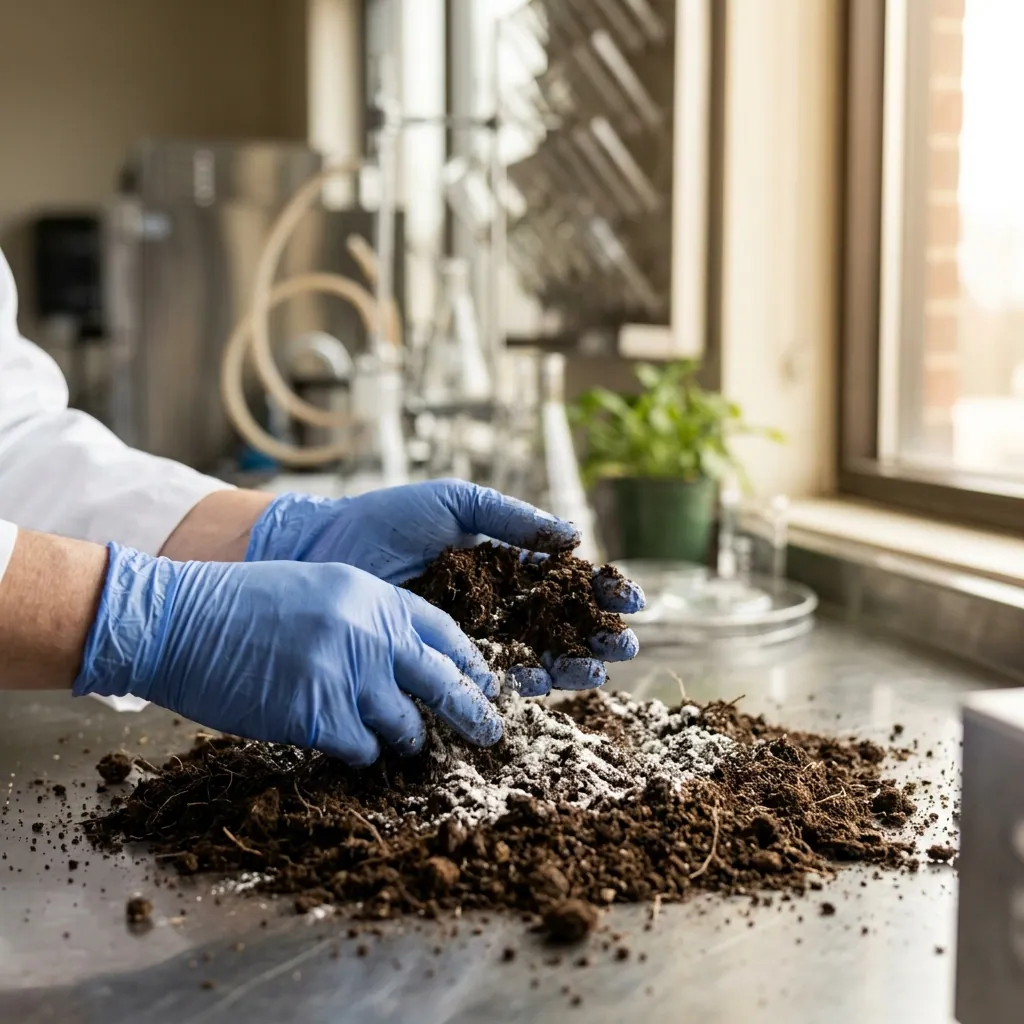
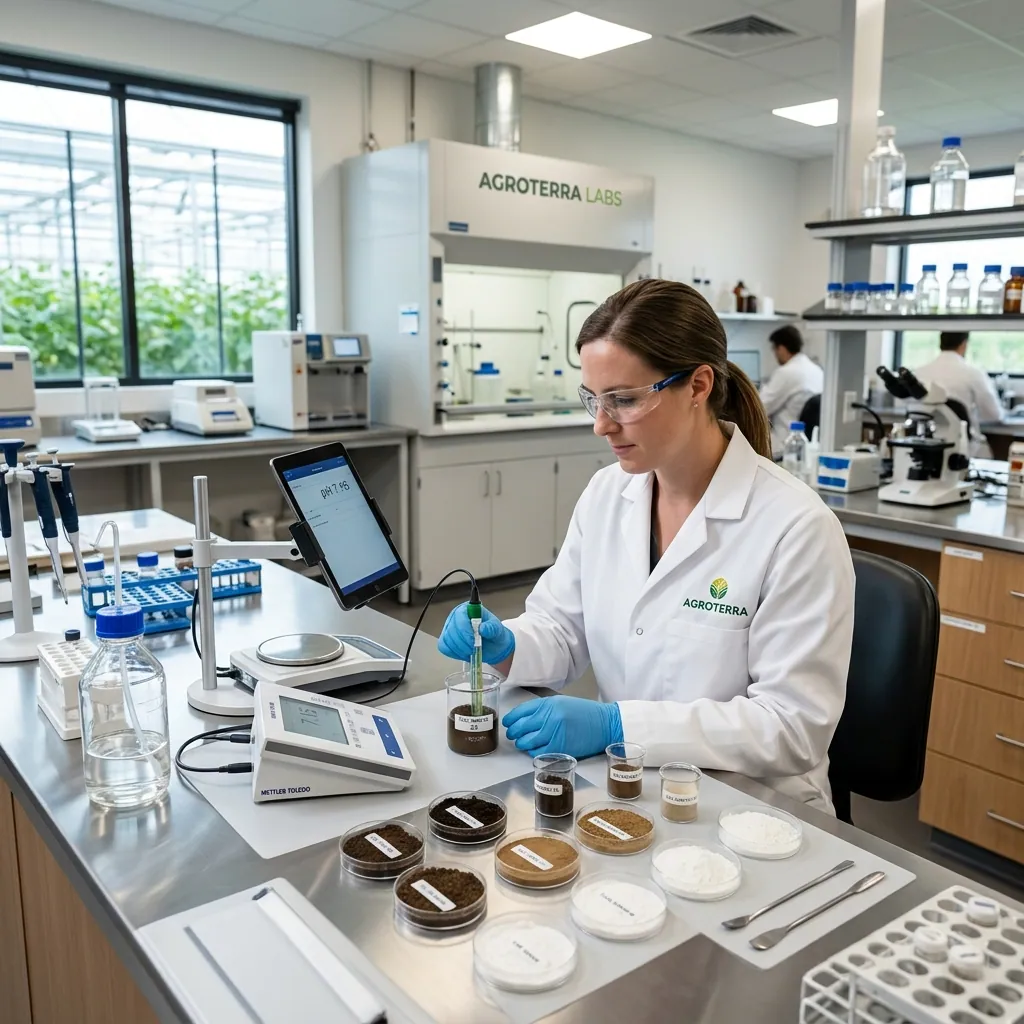
The main technical parameters to consider in application are: Dosage based on soil analysis: Not only pH, but also aluminum saturation, cation exchange capacity (CEC) and organic matter content must be taken into account.
While an application of 840 kg/ha may be sufficient in sandy soil, the same amount may not even provide a 1-point pH increase in clayey soil. Timing: Lime is applied 3-6 months before sowing, generally in autumn or early spring. Lime applied just before sowing can damage seed germination due to its alkaline reaction.
Mine Site Rehabilitation and Erosion Control
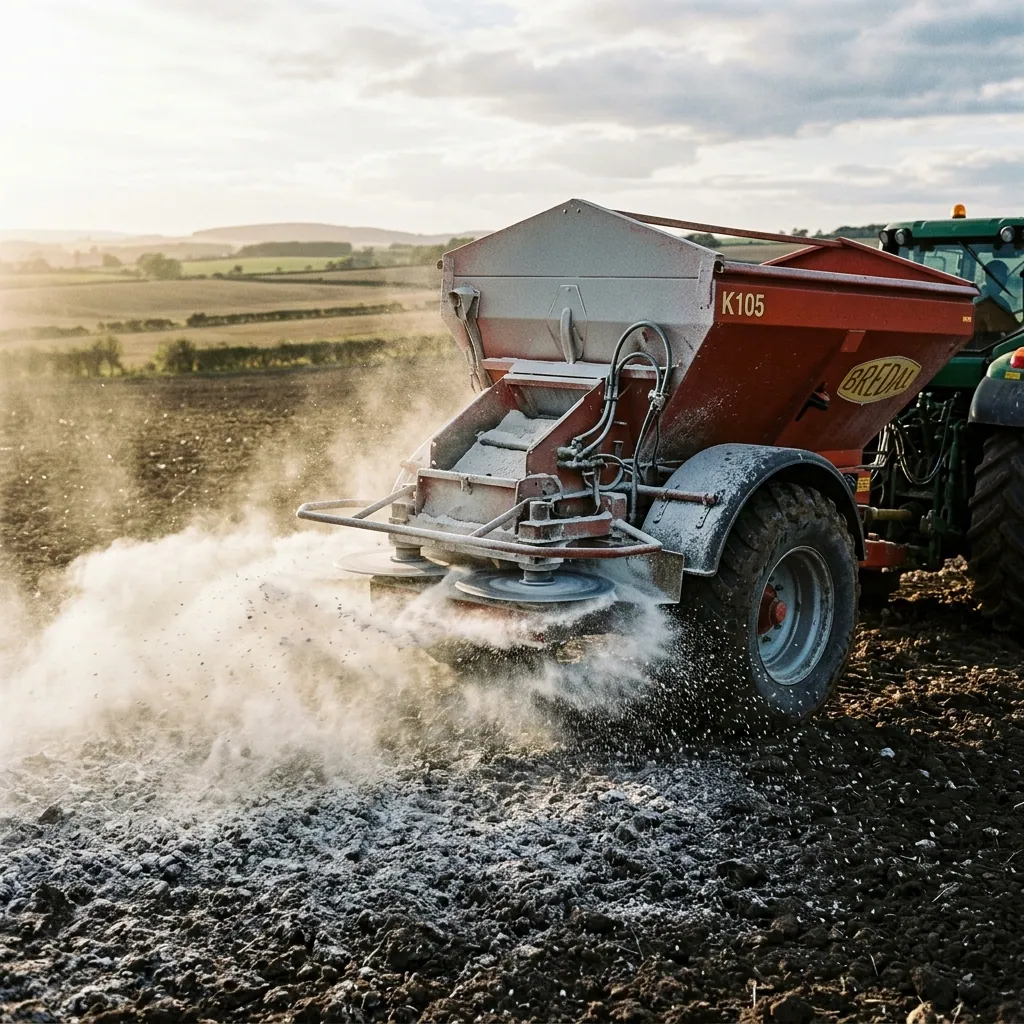
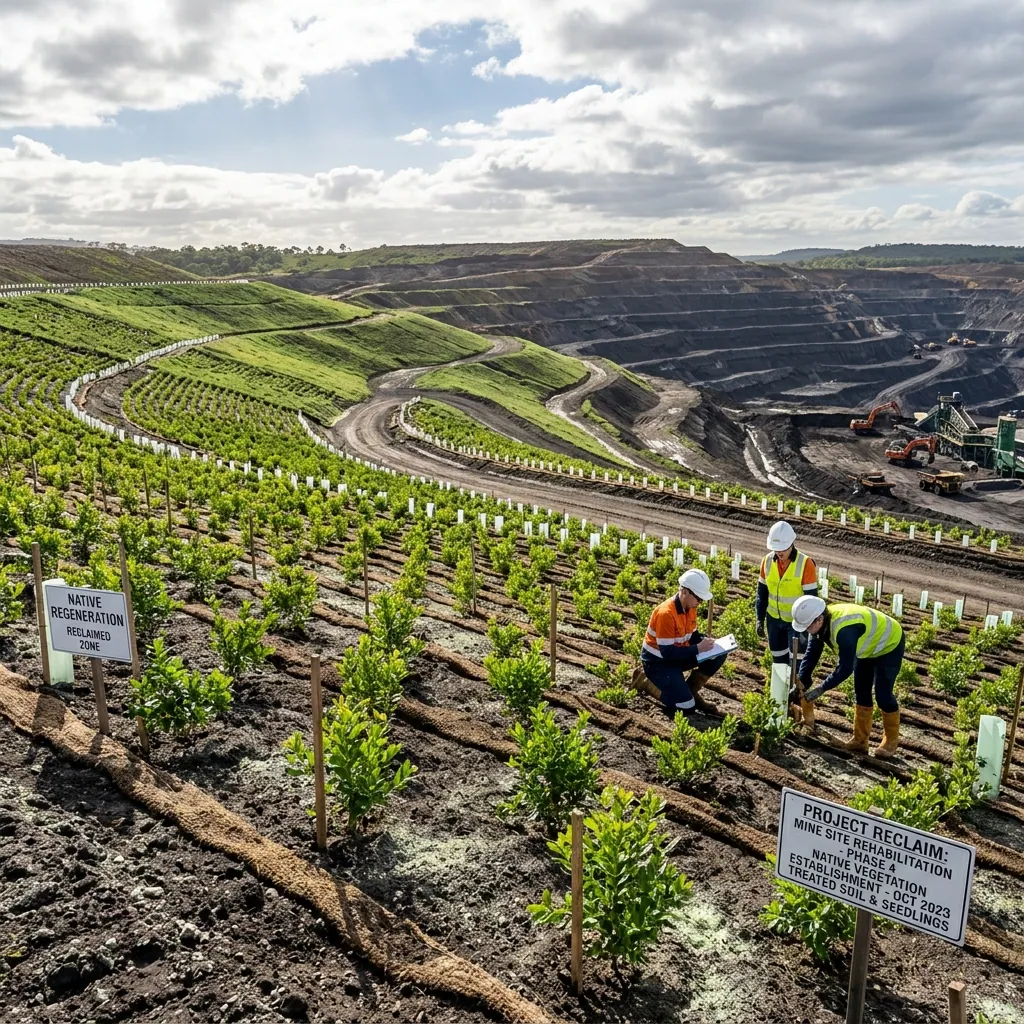
On mine sites and heavily damaged land, the soil pH is generally extremely low or unbalanced; in soils affected by acid mine drainage, the pH can drop to 2-3. On such grounds, plant establishment and ecosystem restoration are only possible with a systematic improvement program.\n\nQuicklime application rapidly raises the low pH, keeping heavy metals immobilized in the soil and unavailable for uptake by plant roots. On sloping terrain, a fine limestone aggregate layer contributes to erosion control by slowing surface runoff.\n\nIn rehabilitation projects, when liming is planned together with organic matter supplementation, green manuring and controlled drainage, soil vitality is rapidly triggered. Vişne Madencilik aggregate and lime products provide comprehensive solutions for mine site restoration.
Sustainable Soil Improvement Approach as of 2026
As of 2026, soil improvement in the agricultural sector is no longer treated merely as a pH-correction or salt-removal operation; it is regarded as a strategic management process integrated with carbon sequestration, water efficiency and biodiversity goals.
In practice, liming is planned together with organic matter supplementation (green manuring, compost, farmyard manure), controlled drainage and precision agriculture data.
The sustainable agriculture approach that has come onto the agenda within the framework of the European Green Deal also positions liming as a tool that reduces nitrogen loss and greenhouse gas emissions. In Türkiye, the soil analysis and fertilization support programs run by the Ministry of Agriculture and Forestry are among the important mechanisms that carry this approach to the field level.