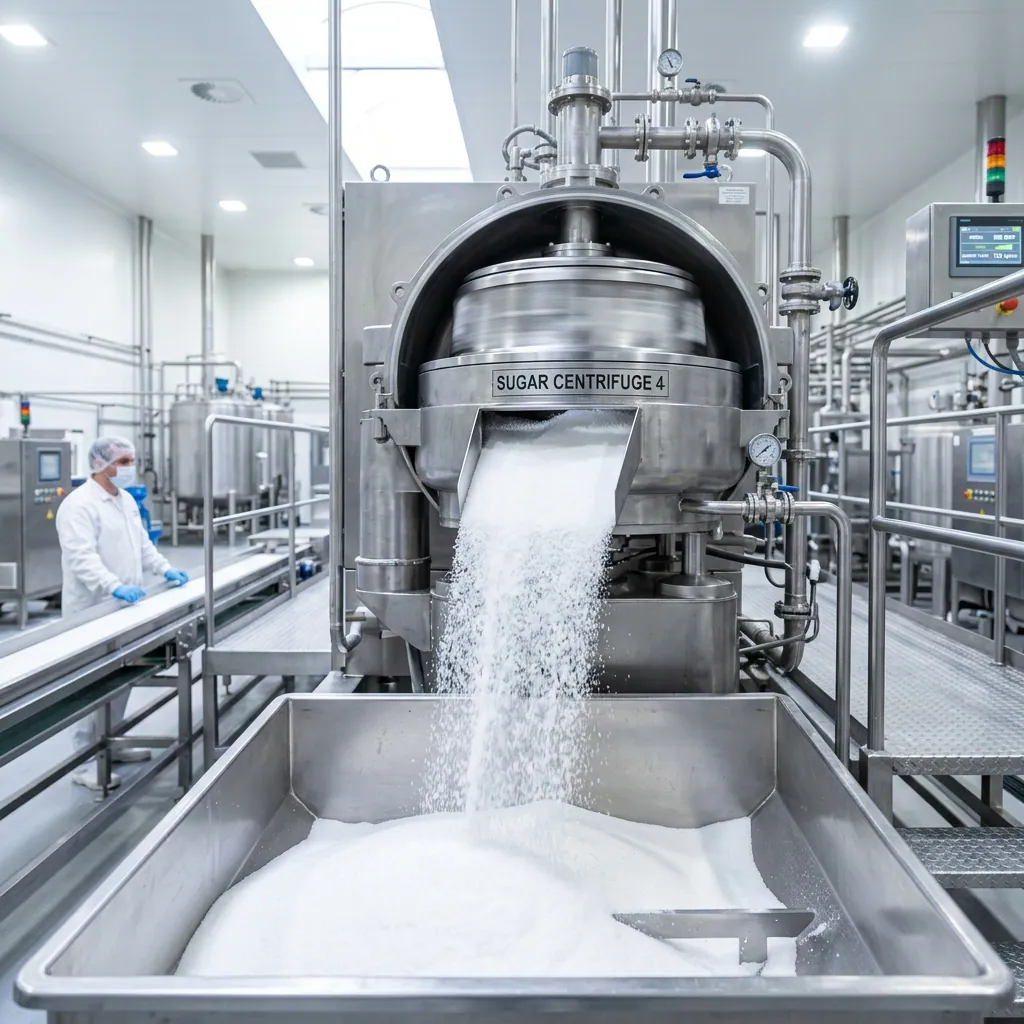


The General Framework of the Food and Sugar Industry
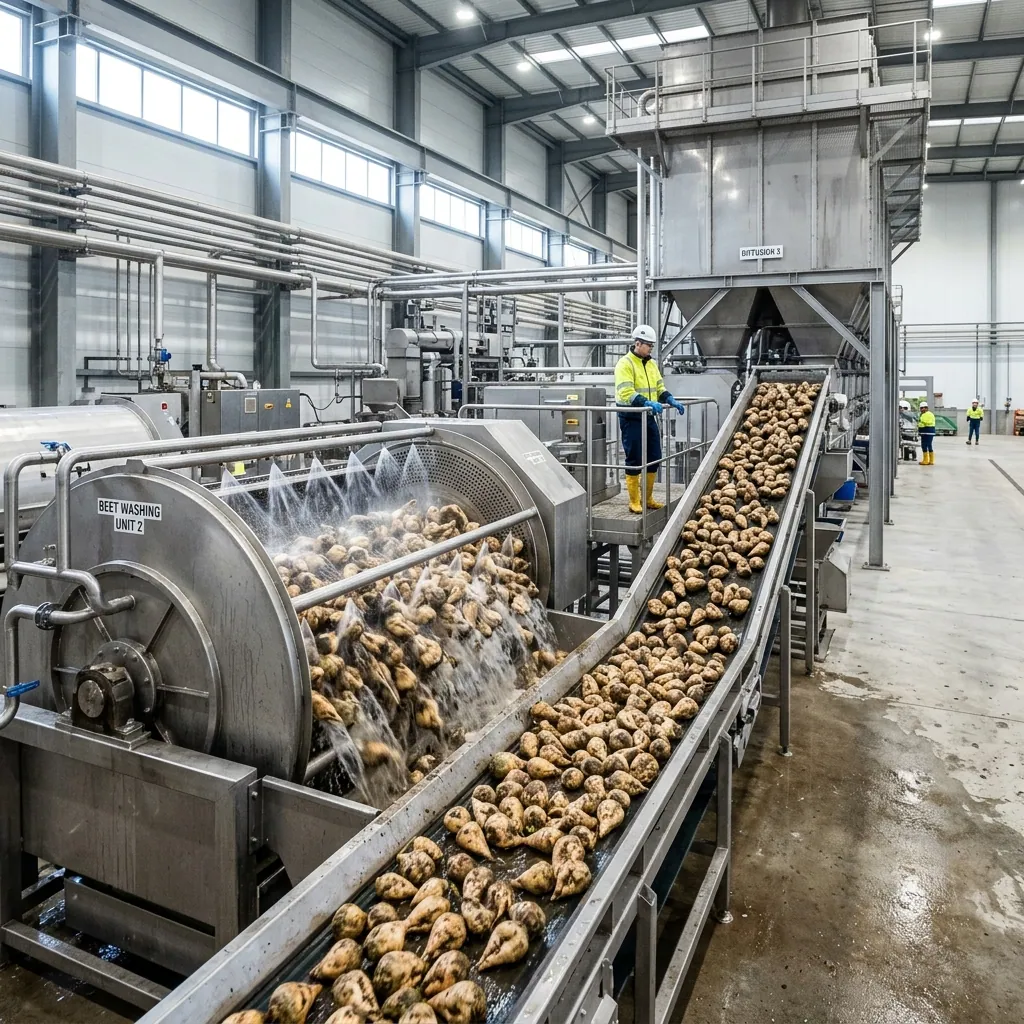
The food and sugar industry is a broad-ranging industrial branch in which agricultural raw materials such as sugar beet, sugar cane, grain, oilseeds, milk, fruit and vegetables are processed into final consumer products.
Türkiye is among the world's leading sugar beet producers, and the sector is run by Türkiye Şeker Fabrikaları A.Ş.
and private producers. As of 2026, energy efficiency, water recovery, carbon footprint management and circular economy practices have become the main agenda items in the sector; the majority of factories have completed the transition to the ISO 50001 energy management system.
Carbonatation and Fundamental Steps in the Sugar Production Process
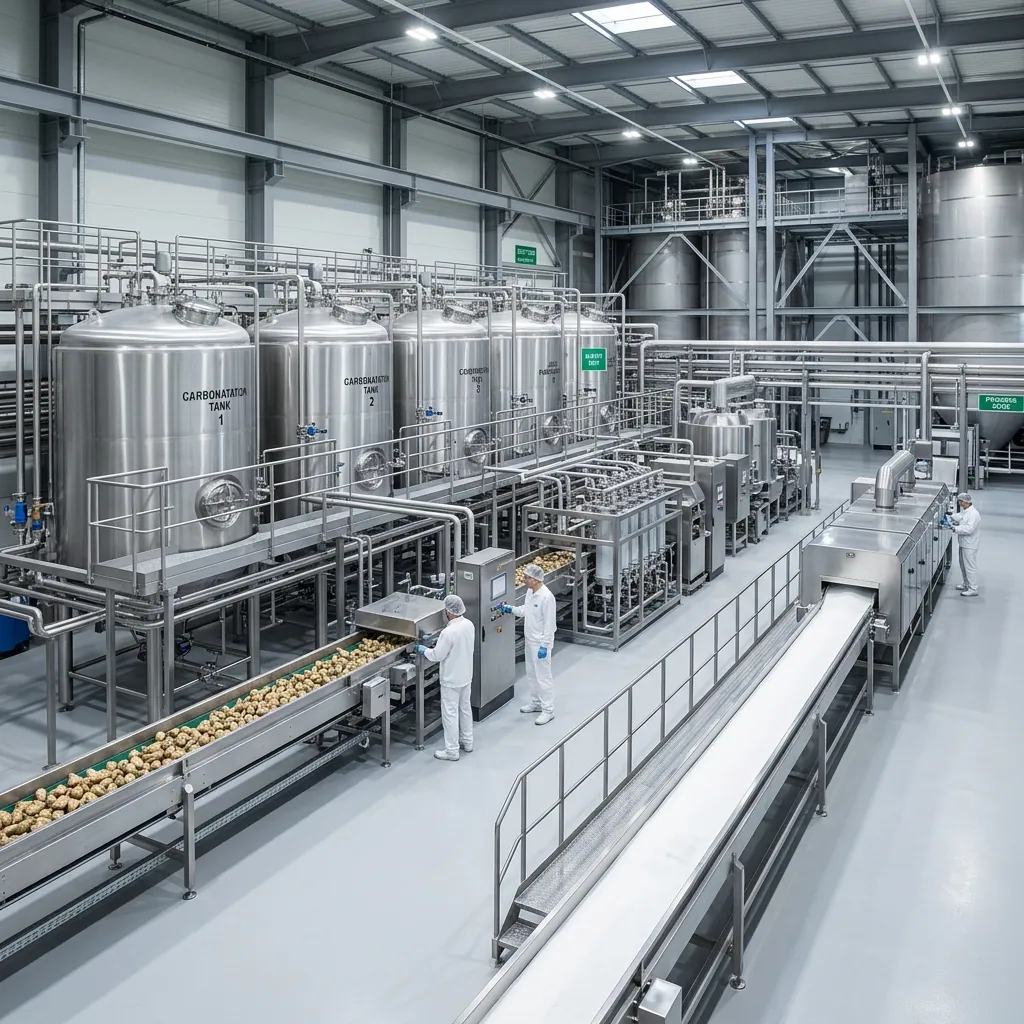
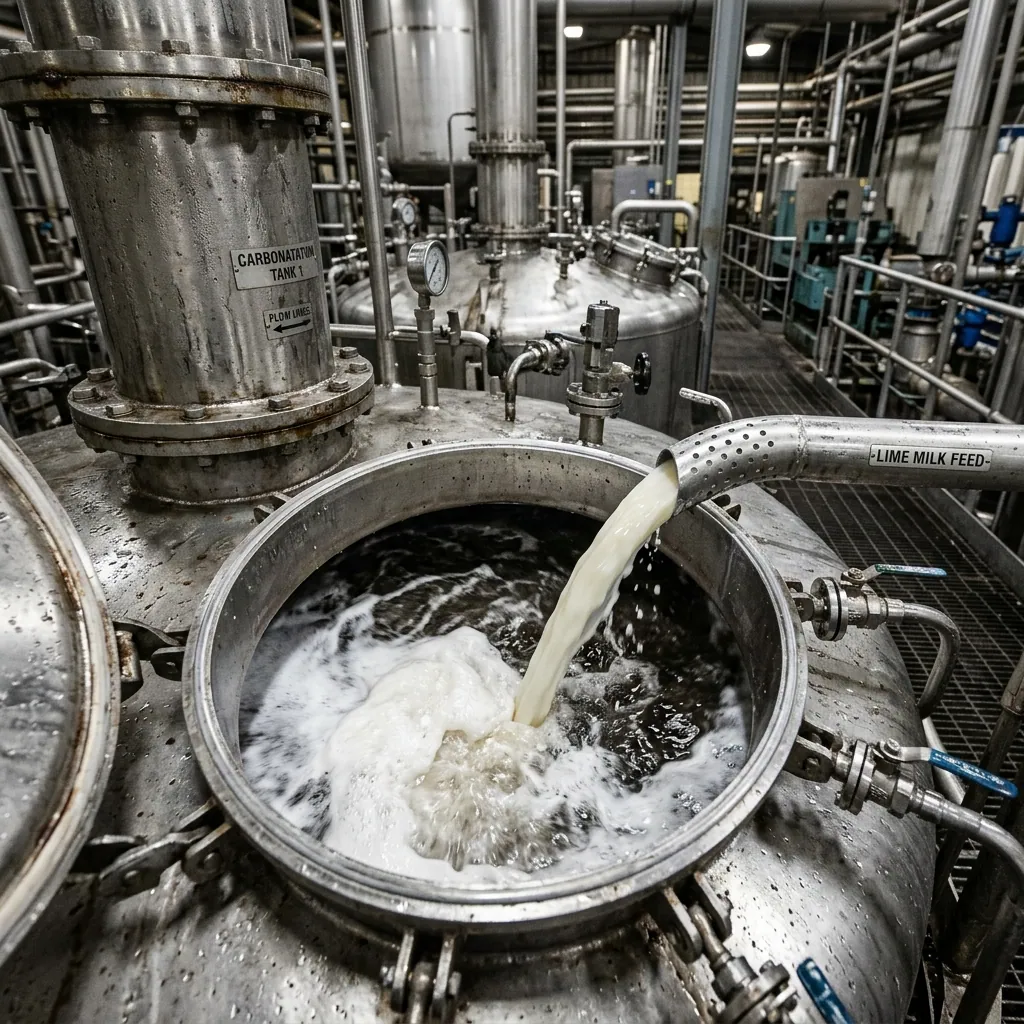
The heart of sugar production is the carbonatation process; at this stage, the non-sucrose impurities in the raw beet juice (proteins, amino acids, pectin, organic acids, color substances, saponins and colloids) are removed. The process begins with the addition of high-purity quicklime (CaO) to the raw juice; this stage is called liming.
A CaO dose of generally 1.5% to 2.5% by beet weight is applied. In the preliming step, the pH of the juice is raised gradually, so that the denaturation of colloidal substances and floc formation occur more regularly.
In the main liming stage, the formation of calcium sucrate and the decomposition of simple sugars in the alkaline medium are managed in a balanced way. After liming, the juice is saturated and precipitated with CO₂ gas coming from the plant's lime kiln.
High Performance at
Industry Standard
We offer premium solutions to guarantee quality and maximise operational efficiency in Food and Sugar Industry processes.
Strong Quality Control
High-purity, reliable results in compliance with international standards.
Sustainability
Energy-efficient, environmentally friendly processes that minimise the environmental footprint.
- check_circle 100% Regulatory Compliance
- check_circle Low Operating Cost
- check_circle Expert Engineering Support
- check_circle 24/7 Uninterrupted Supply Network
The Role of Lime-Based Solutions in the Food and Sugar Industry Process
In the food and sugar industry, lime-based products take on roles at many complementary points, from sugar refining to odor control, and from food additives to moisture management.
The carbonatation stage of sugar production is on its own one of the most intensive industrial processes in terms of quicklime consumption.
Quicklime (CaO) is the key reagent used in sugar factories to purify the raw juice. Reactivity (t60 slaking time), purity (typically ≥90% CaO), and low MgO and low SiO₂ content are critical quality parameters. High-purity lime means less sludge production, better filtration performance and lower specific lime consumption.
Technical Points to Consider in Application
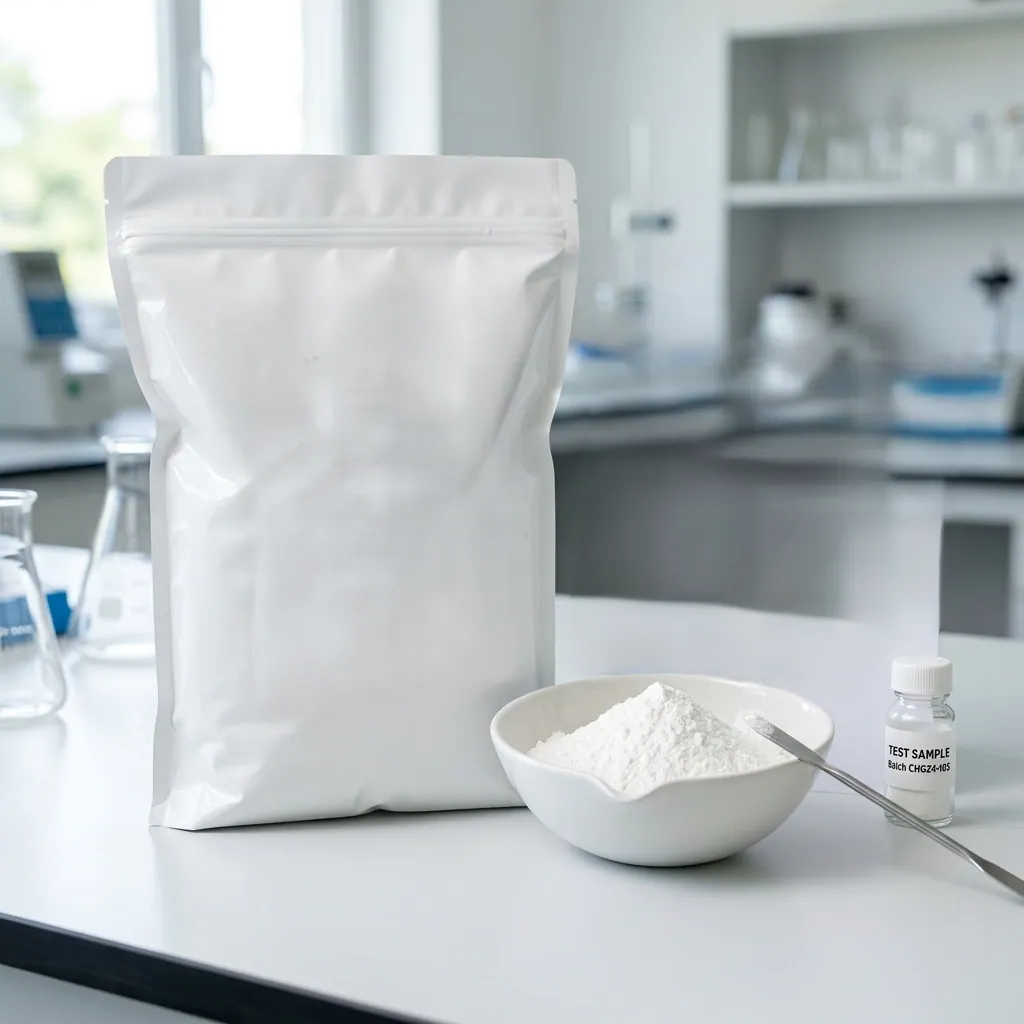
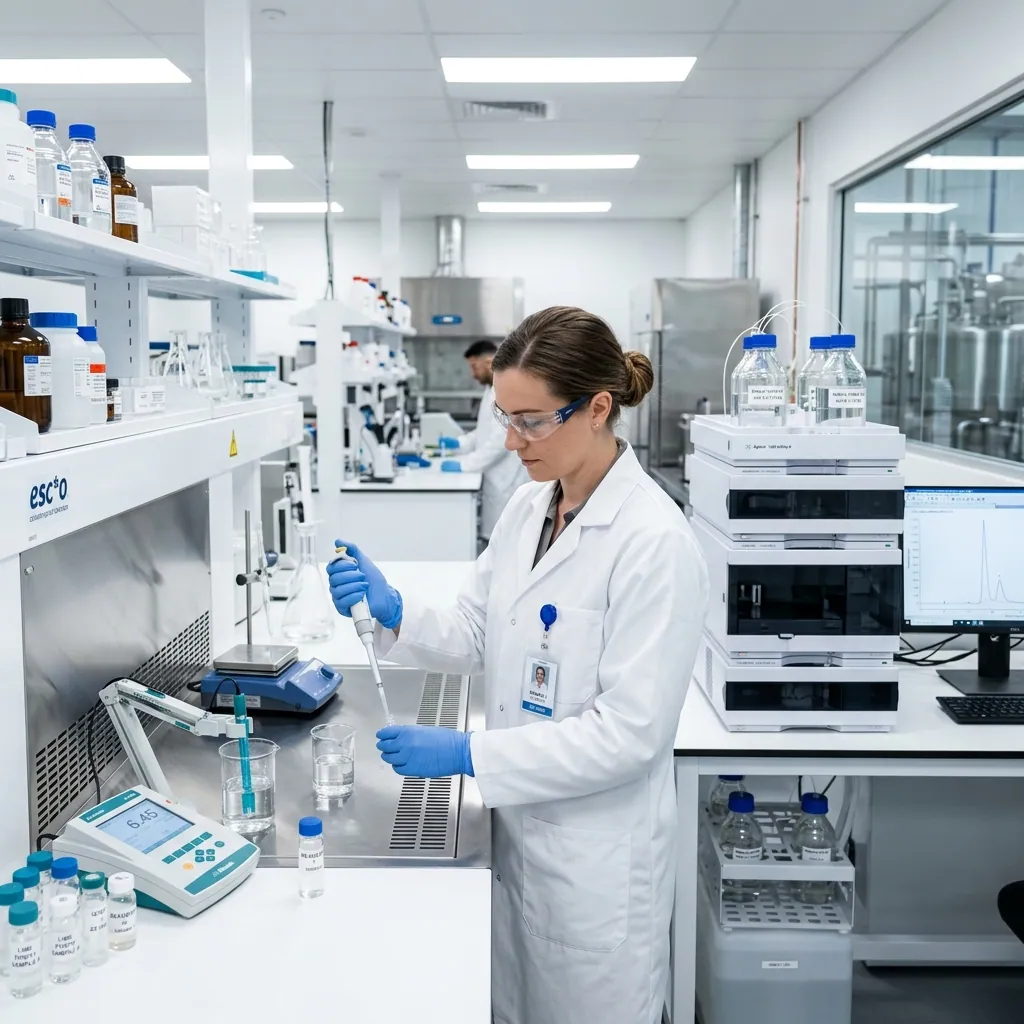
Several critical technical points come to the fore in the use of lime-based products in the food and sugar industry. The first is purity: for lime that comes into contact with food or is added to food-derived products, the heavy metal limits set by the FCC (Food Chemicals Codex) and European Food Additive legislation must be met and documented with a quality certificate on a production lot basis.
Supplier auditing should be part of HACCP prerequisite programs, and analysis must be mandatory for each batch in incoming quality control. The second is reactivity.
In sugar factories, the parameter called t60 slaking time determines the homogeneity of the milk of lime, its temperature profile and the precision of dosing. A low t60 value means high reactivity and directly improves carbonatation efficiency.
Sectoral Approach and Good Practice Examples as of 2026
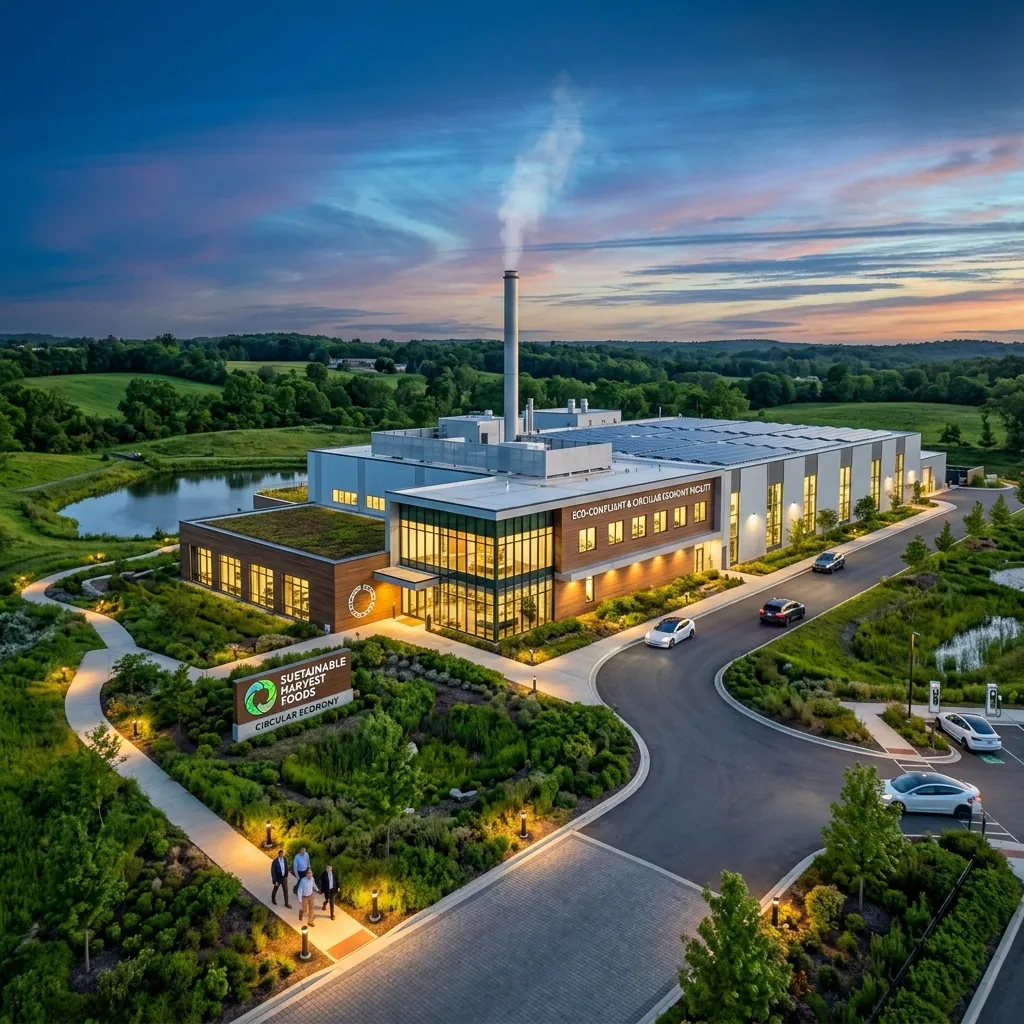
As of 2026, the food and sugar industry is undergoing a major transformation within the scope of carbon-neutral targets, water footprint reduction and circular economy practices.
Carbonatation sludge (carbo-cake) is being converted into a lime-based by-product value chain by being used as an agricultural soil conditioner.
This by-product has a pH-raising effect on acidic soils, improves soil structure and forms a direct bridge between sustainable agricultural practices and the circular economy. The European Union's Industrial Emissions Directive (IED) and BREF reference documents define the use of lime in flue gas treatment for the food and beverage sector as the Best Available Technique (BAT).