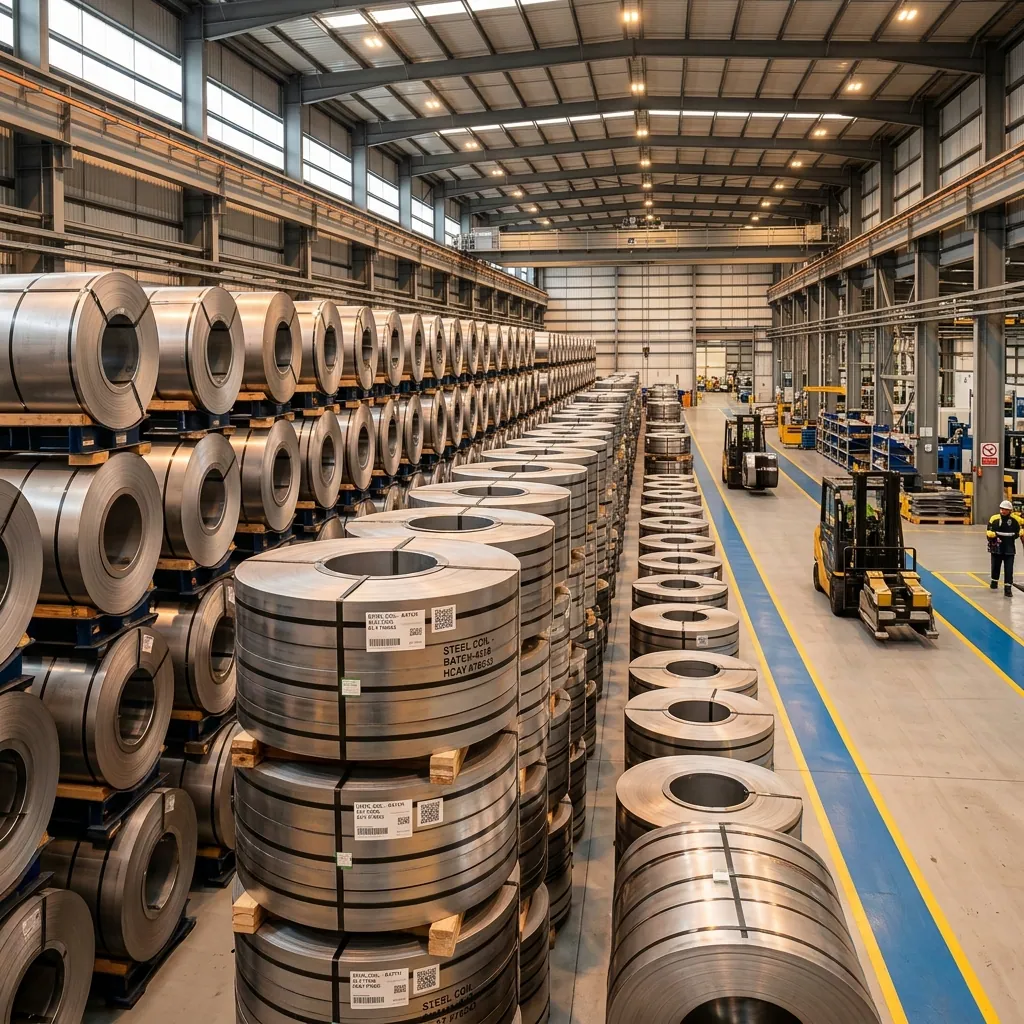


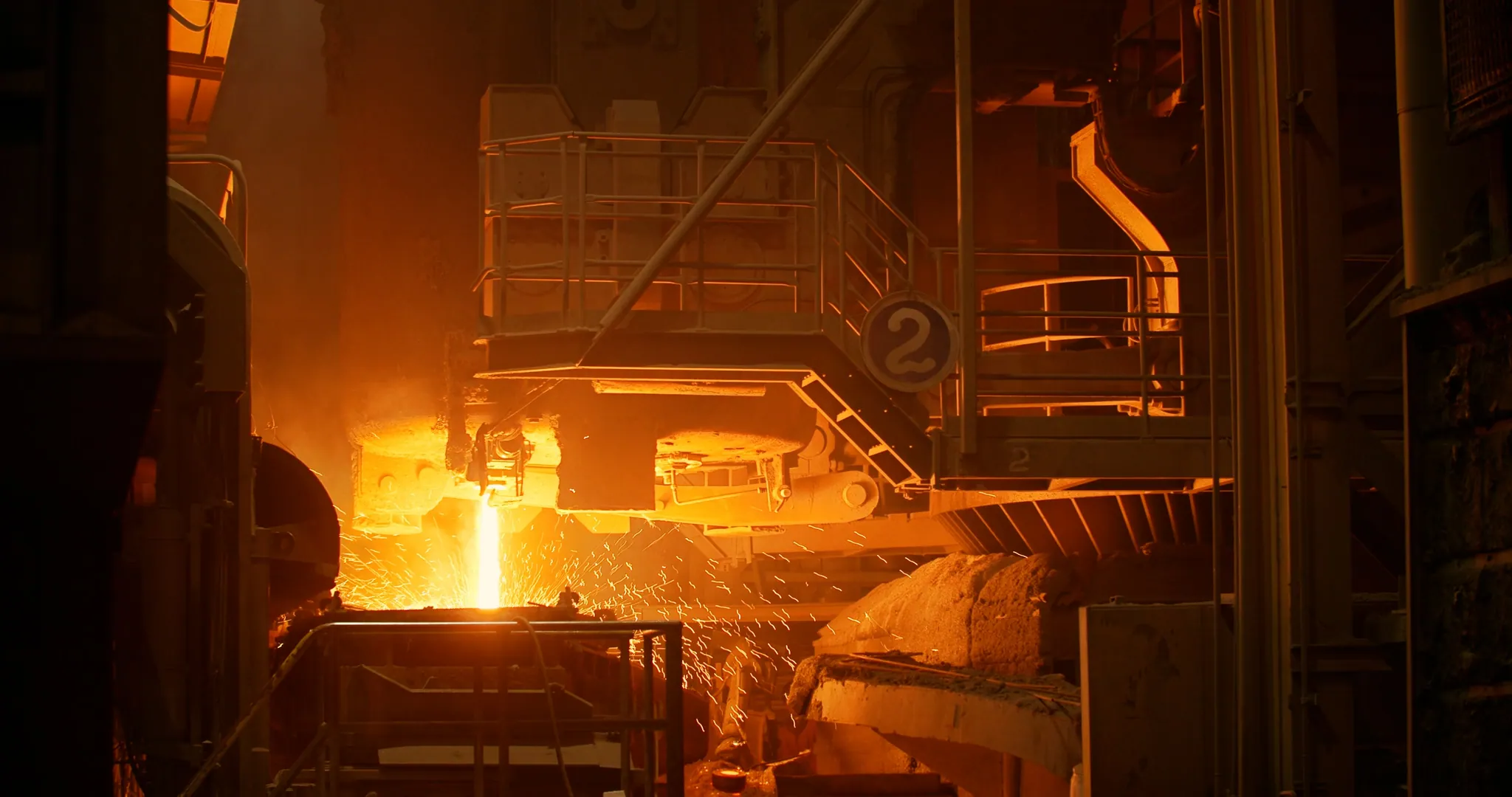
General Framework of the Iron-Steel and Metallurgy Sector
Türkiye is among the world's top ten crude steel producers, and the sector feeds dozens of sub-sectors, chiefly automotive, construction, white goods, machinery, defense, shipbuilding and energy.
Metallurgy is the engineering discipline that studies the extraction, refining, alloying and shaping of metals from ore; iron and steel constitutes the highest-volume branch of this discipline.
The production line starts from iron ore, coking coal, scrap metal and slag-forming additives, reaching crude steel via the blast furnace or electric arc furnace, and then the continuous casting and rolling mill lines. As of 2026, owing to its high carbon footprint, the sector is undergoing an intense transformation around topics such as green steel, hydrogen reduction, direct reduced iron (DRI) and carbon capture.
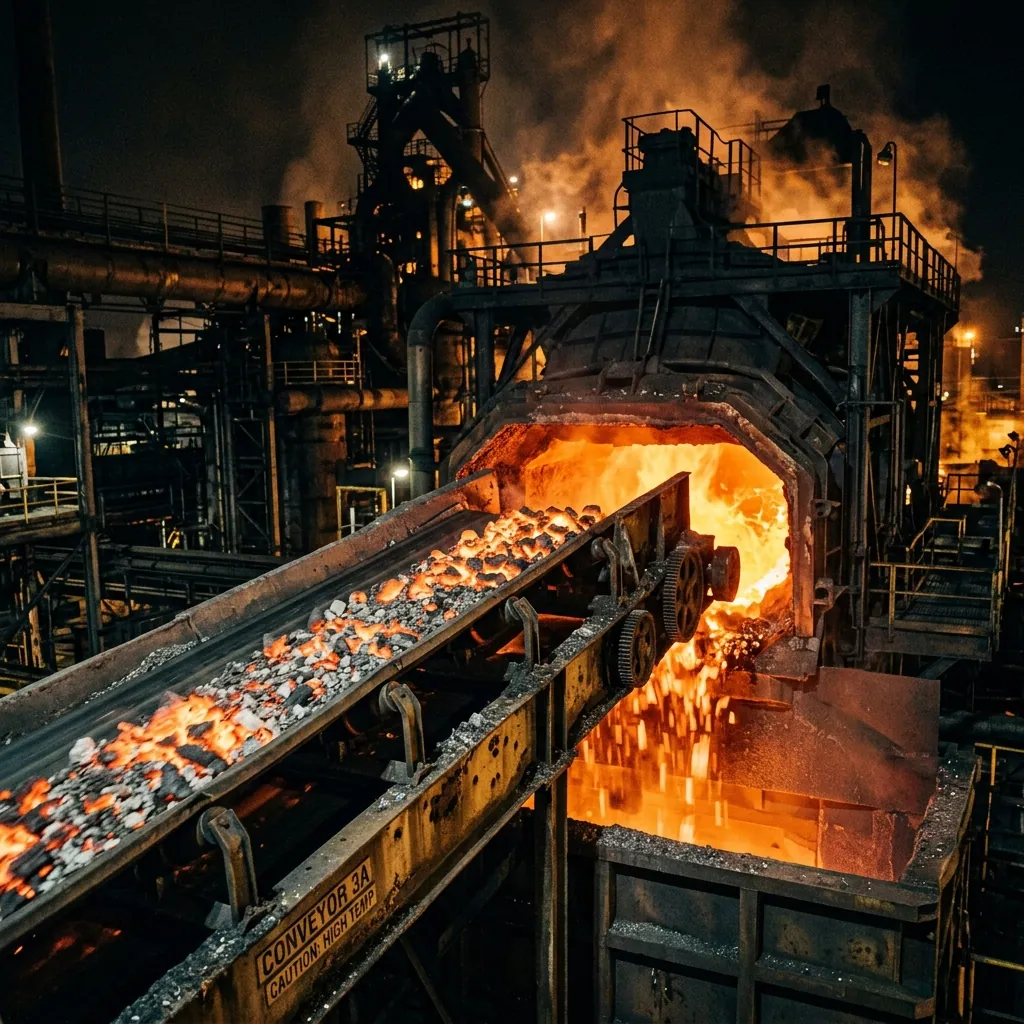
Iron-Steel Production Processes and Fundamental Steps
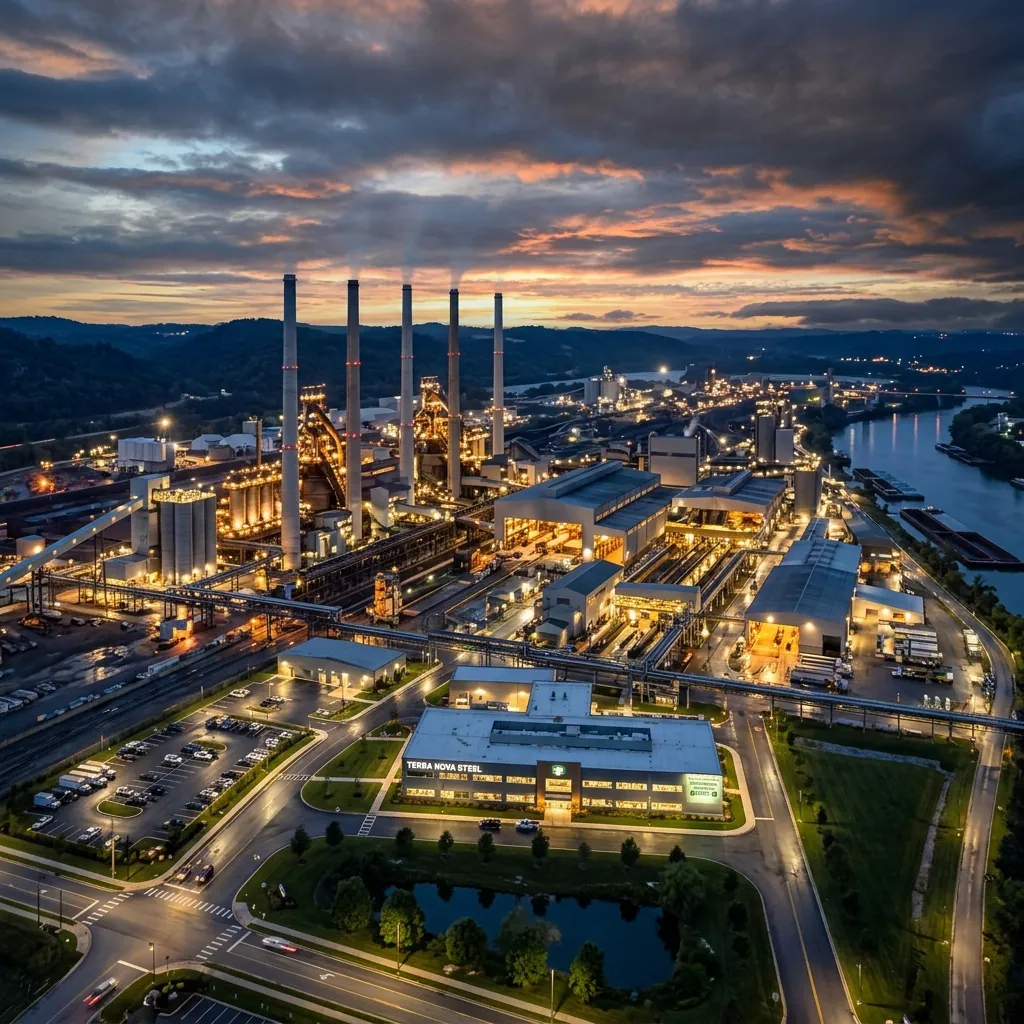
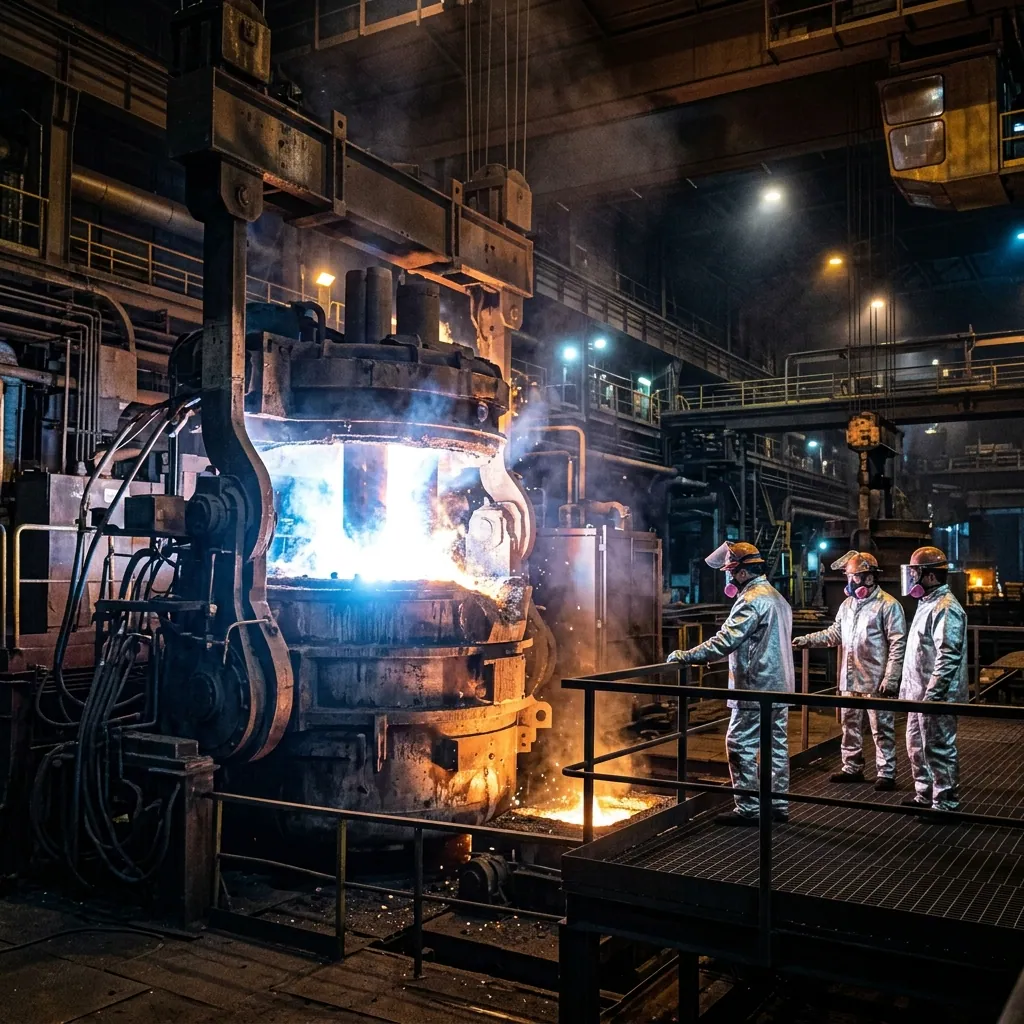
Modern iron and steel production is based on two main methods: integrated plants (BF-BOF, i.e. the blast furnace - basic oxygen furnace route) and electric arc furnace (EAF) plants.
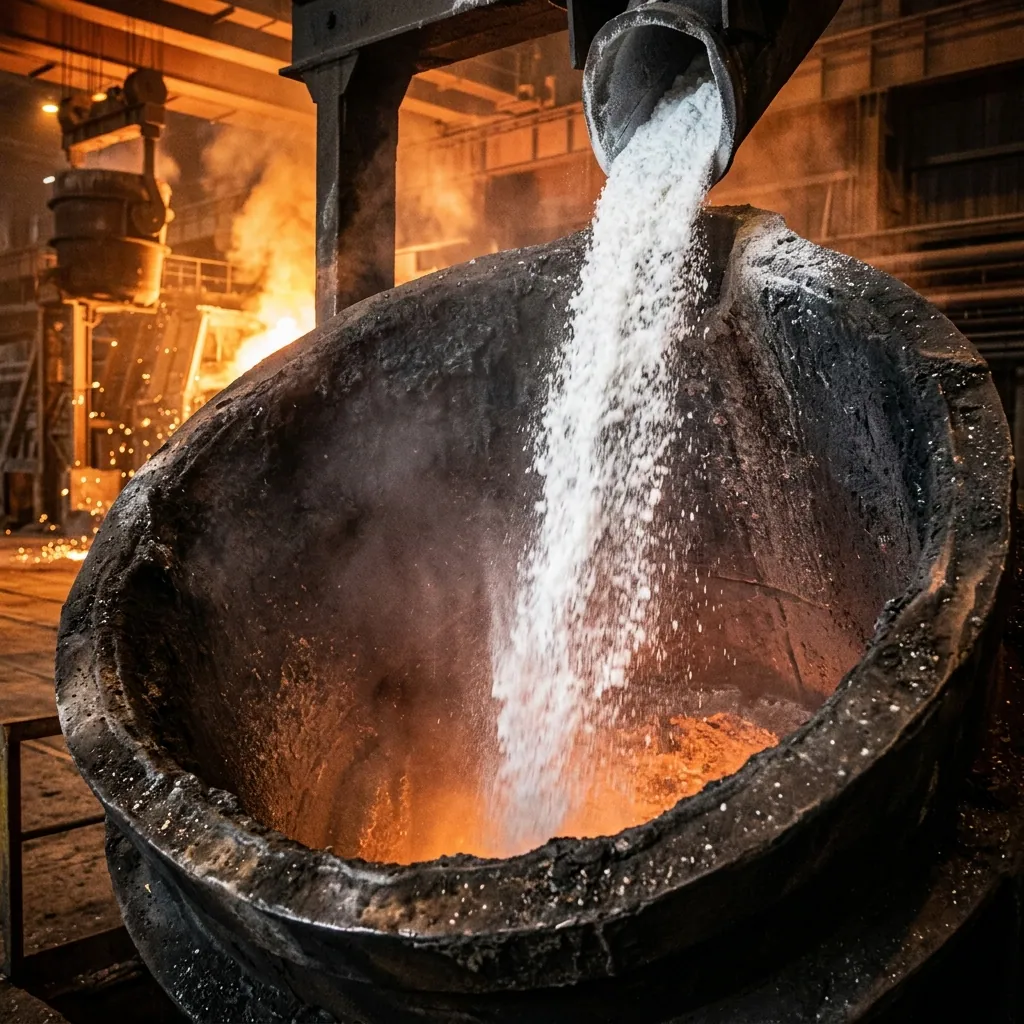
In the integrated route, iron ore, coking coal and slag-forming materials are charged into the blast furnace; the liquid hot metal obtained here is subsequently converted into steel in the basic oxygen furnace by lowering its carbon through oxygen blowing.
In the EAF route, scrap metal or direct reduced iron (DRI) is melted with electrical energy. Both methods pass through similar stages: raw material preparation, preheating, melting, refining, casting, rolling and final heat treatment.
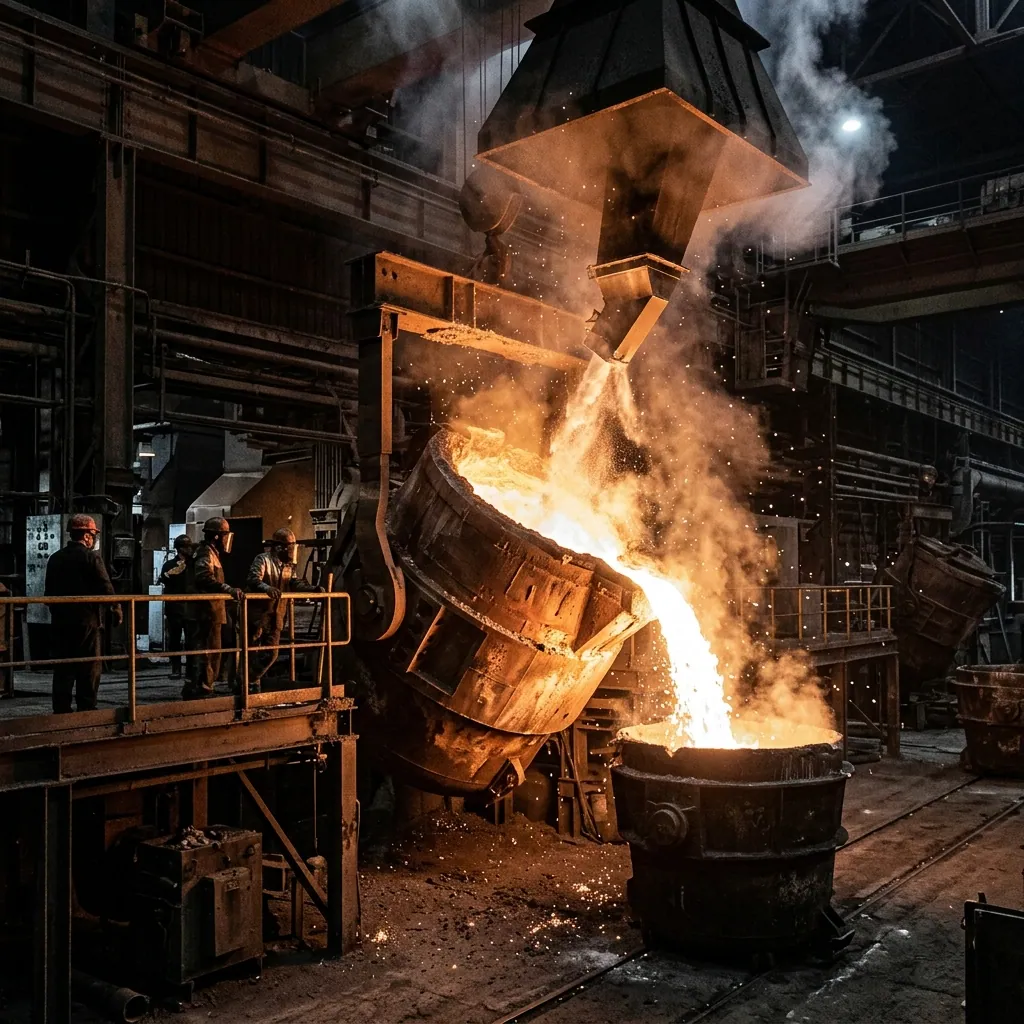
High Performance at
Industry Standard
We offer premium solutions to guarantee quality and maximise operational efficiency in Iron-Steel and Metallurgy processes.
Strong Quality Control
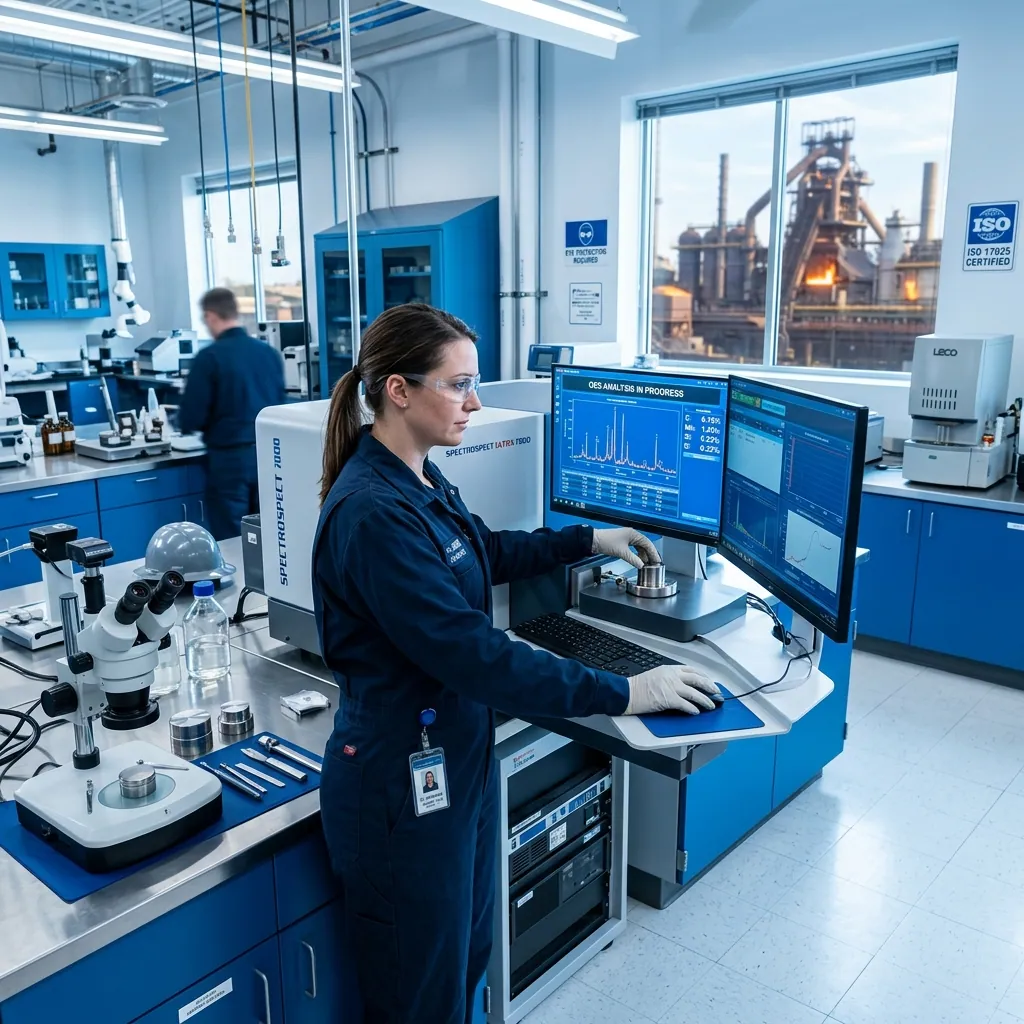
High-purity, reliable results in compliance with international standards.
Sustainability
Energy-efficient, environmentally friendly processes that minimise the environmental footprint.
- check_circle 100% Regulatory Compliance
- check_circle Low Operating Cost
- check_circle Expert Engineering Support
- check_circle 24/7 Uninterrupted Supply Network
Slag Chemistry and Impurity Control in Metallurgical Reactions
Slag is a critical by-product at the heart of iron and steel production that is often overlooked. Slag is the oxide melt floating on top of the liquid metal and performs three fundamental functions: isolating the liquid metal from the atmosphere, reducing heat losses and removing undesired elements from the metal.
For slag to be functional, its basicity (CaO/SiO₂ ratio) must be controlled. This ratio is generally kept between 2.5 and 4 depending on the production type.
Insufficient basicity causes sulfur and phosphorus to return from the slag back into the metal, while excessive basicity disrupts the viscosity of the slag and accelerates refractory wear. The fundamental components in slag chemistry are calcium oxide (CaO), magnesium oxide (MgO), silicon dioxide (SiO₂) and aluminum oxide (Al₂O₃).
The Role of Lime-Based Solutions in Iron-Steel Production
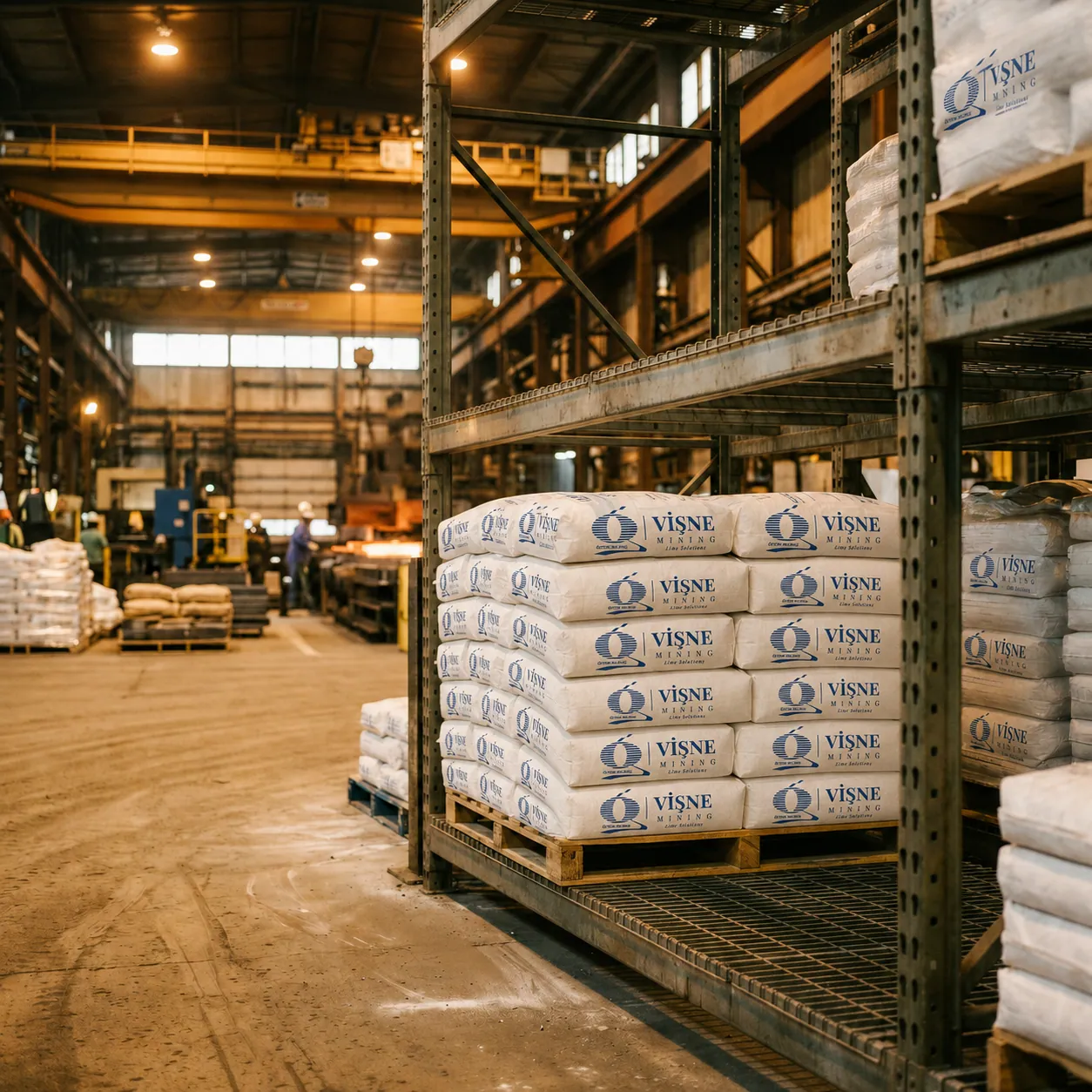
In iron-steel and metallurgy processes, lime products are indispensable in terms of production efficiency and final steel quality. The most heavily used products in the sector are quicklime (CaO, calcium oxide), dolomitic quicklime (CaO·MgO), aggregate-grade limestone particles, and, in auxiliary processes, hydrated lime and gas-removing lime products.
The function of each is directed toward a different chemical objective at different stages. Quicklime (CaO): Used as a slag former in basic oxygen furnaces (BOF) and generally dosed at 30-50 kg per ton of steel.
When charged together with scrap in electric arc furnaces (EAF), the typical usage range is at the level of 30-90 kg per ton of steel. When added to the slag, it reacts with impurities such as silicon, phosphorus and sulfur, enabling their removal from the metal.
Sulfur and Phosphorus Removal: The Critical Task of Quicklime
Sulfur is an undesired element because it causes hot shortness, forming problems and reduced corrosion resistance in steel. For this reason, lowering the sulfur level from the hot metal stage onward is one of the priorities of modern steel production.
The Hot Metal Desulfurization (HMD) process is carried out by injecting a fluidized mixture of ground lime or calcium carbide into the liquid hot metal via a lance. Inert gases such as argon or nitrogen serve as the carrier.
Since the reaction is diffusion-controlled, how fine and reactive the lime particle is directly determines the removal efficiency. Phosphorus removal, on the other hand, is performed at the BOF stage by correctly balancing the basicity and oxidation conditions.
Sustainable Iron-Steel Production and Auxiliary Materials as of 2026
The steel sector is responsible for approximately seven percent of global CO₂ emissions, and as of 2026 the pressure for green transformation is higher than ever. The EU Carbon Border Adjustment Mechanism (CBAM) creates a direct financial impact on firms exporting steel from Türkiye to Europe.
Within this framework, auxiliary materials are also expected to have a low carbon footprint. High-activity lime with a homogeneous particle size provides a more efficient reaction with lower consumption in the steel plant, thereby indirectly offering an emission reduction per ton.
The valorization of slag is also an important item on the sustainability agenda. BOF slag can be used as a substitute for cement clinker, while granulated blast furnace slag (GBFS) has become one of the fundamental components of low-carbon cements.