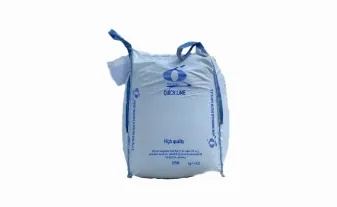
Big Bag
Industrial packaging with a 1-ton capacity that provides ease of handling.



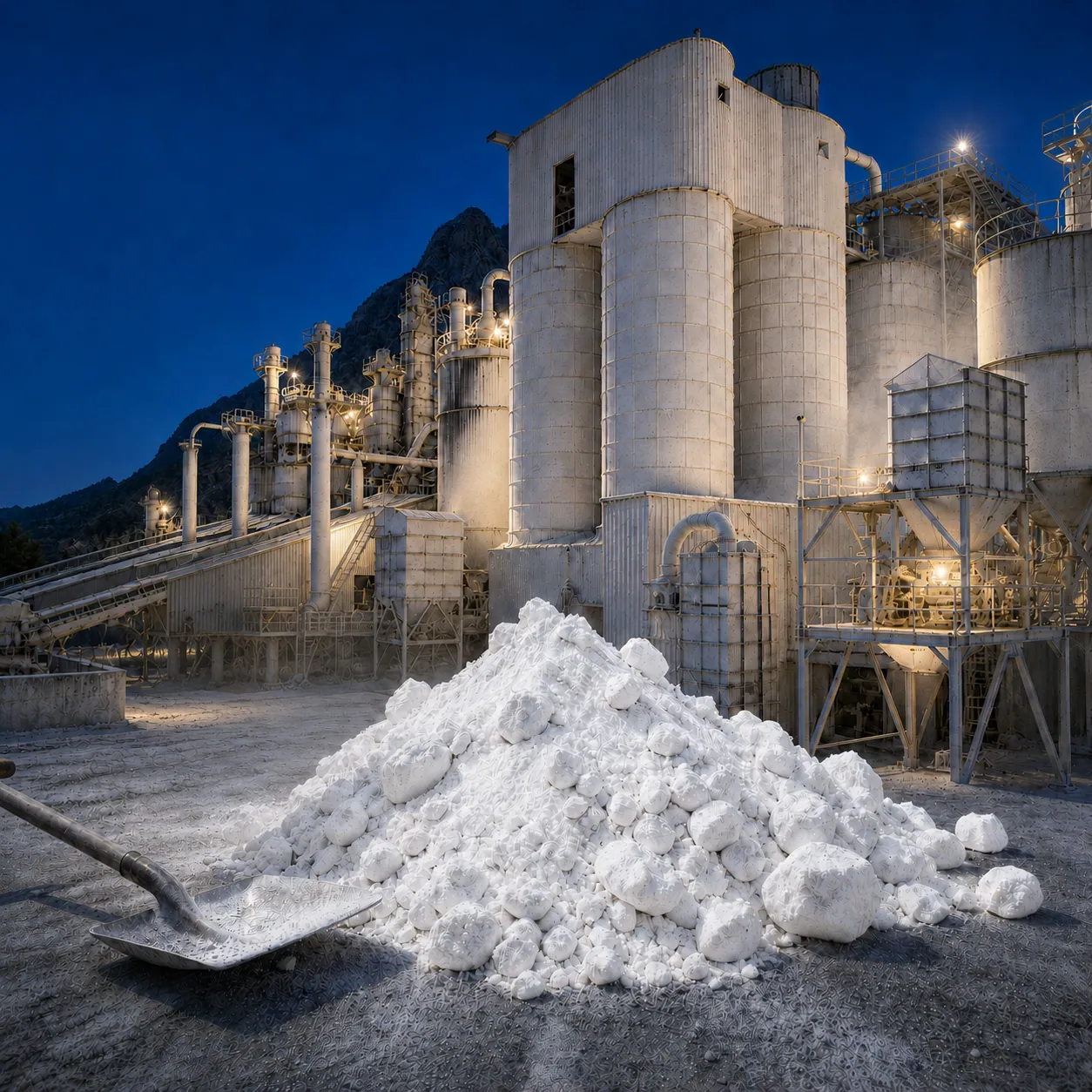
Quicklime (CaO) is an industrial raw material with a strongly alkaline character, obtained by passing limestone through calcination in high-temperature kilns. It offers an indispensable solution in metallurgy, sugar production, water treatment and the paper cycle.
Formula
CaO
Melting Point
2,572 °C
Purity (CaO)
≥ 90%
pH (Aqueous)
12 - 13
Quicklime (calcium oxide, CaO) is produced by firing naturally occurring limestone (calcium carbonate, CaCO₃) at high temperatures between 900 and 1100 °C (calcination) and removing the carbon dioxide gas. The remaining calcium oxide is a highly reactive, white-grey and strongly alkaline compound.
The resulting quicklime is hygroscopic; it rapidly draws moisture and water from the environment and enters an exothermic reaction. In the slaking reaction (on contact with water) it releases a very high amount of heat. For this reason it is frequently used as a slag former in pure form in metallurgical processes, or effectively on the ground for pozzolanic reaction needs.
Its range of use is so wide that it forms the alkaline backbone of nearly every industry, from the iron-steel sector to sugar production, and from paper to treatment. Purity ratios of >90% are targeted with special kiln technologies and selective limestone.
Chemical Calcination Reaction
CaCO₃ + Heat → CaO + CO₂
Through an endothermic reaction, limestone decomposes at around 1000°C, releasing free CaO.
The key parameters that determine the industrial value of quicklime are defined within the framework of the TS EN 459-1 standard.
| Parameter | Value / Range | Description |
|---|---|---|
| Chemical formula | CaO | Calcium oxide |
| Molecular weight | 56.08 g/mol | — |
| Density | 3.34 g/cm³ | Solid density |
| Melting point | 2,572 °C | Resistant to high temperatures |
| Appearance | White-grey in colour | Solid powder or lump form |
| Reactivity | Strongly exothermic | Releases strong heat with water |
| pH value | 12-13 | Strongly alkaline character |
| CaO content | ≥ 90% | High-grade calcitic lime |
Our products are shipped in bulk, silo tanker (granule and powder) and big bag forms.
Industrial packaging with a 1-ton capacity that provides ease of handling.
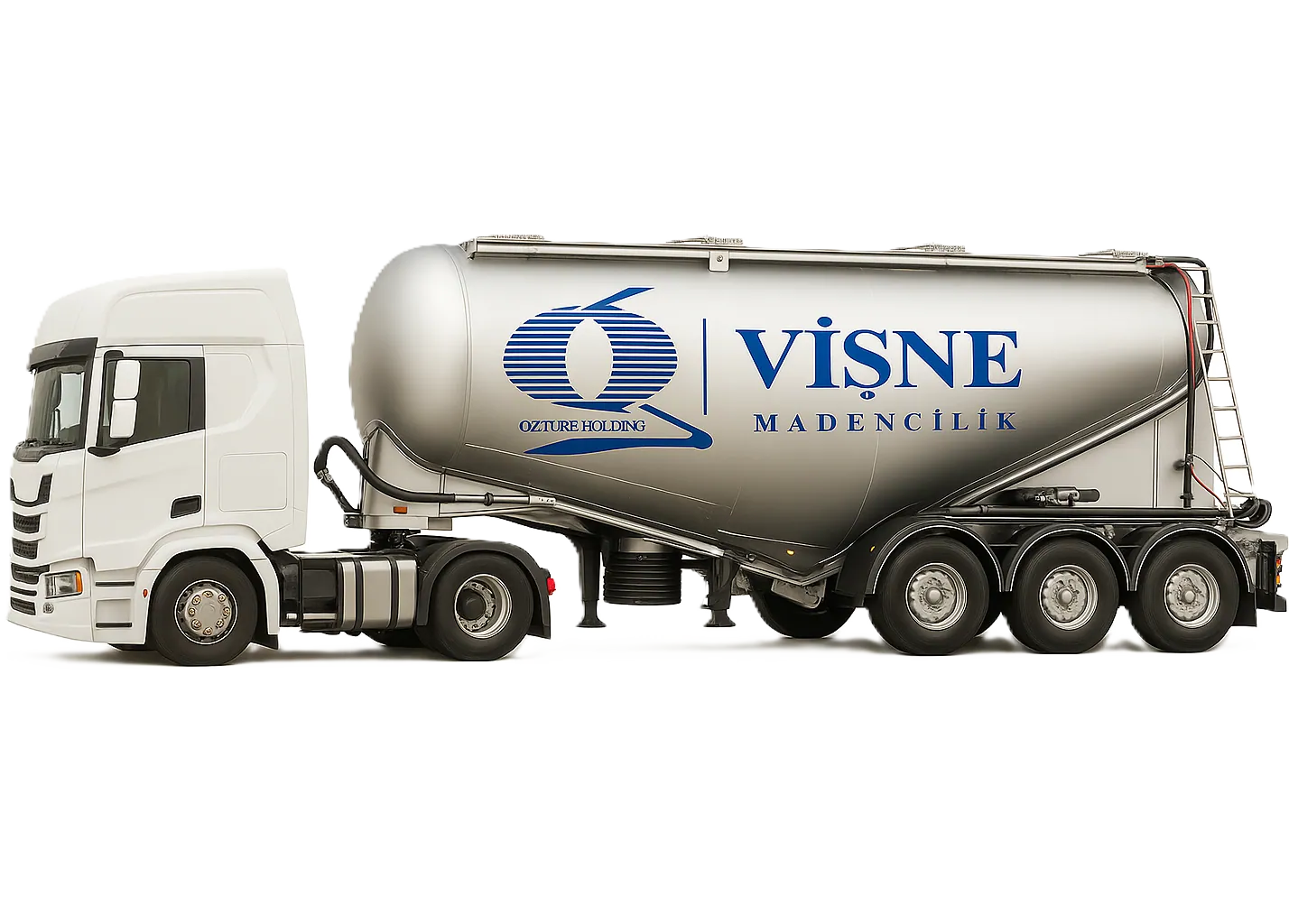
Direct silo-to-silo pressurized transfer for granule and powder products.
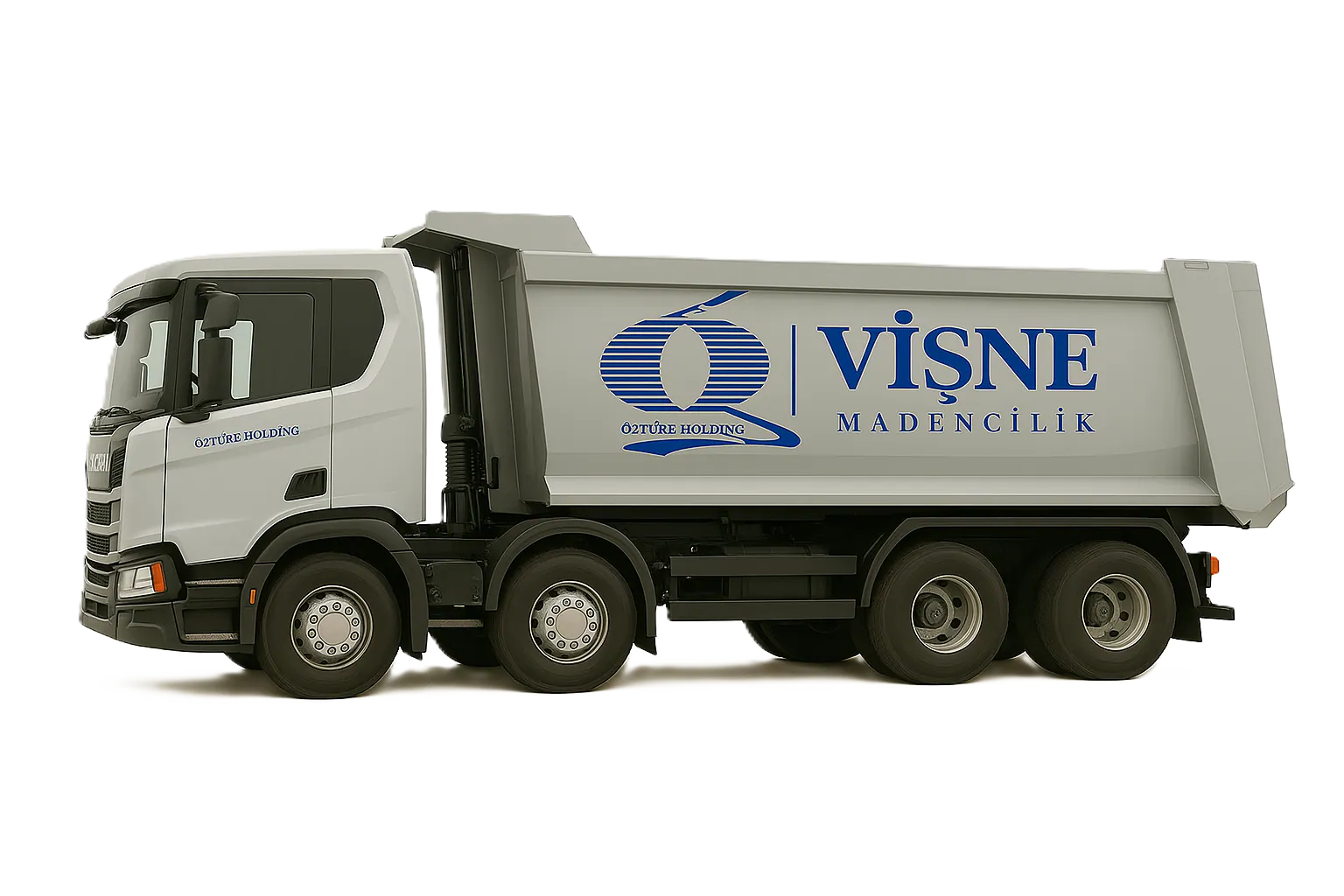
High-volume and fast bulk shipping with tipper trucks.
Calcium oxide (quicklime) is a versatile and reactive raw material used across a wide industrial spectrum.
It is the essential fluxing material in steelmaking (BOF and EAF). It binds impurities such as phosphorus, sulphur, silica and alumina from the molten metal.
trending_up30-60 kg / ton of steelIt provides the high alkalinity required in softening hard water (lime softening), heavy-metal precipitation and phosphorus removal.
trending_upHigh AlkalinityUsed in the causticizing of sodium carbonate within the Kraft pulping process, it enables the regeneration of NaOH (caustic soda).
trending_upNaOH RecoveryConverted into milk of lime and used in the first stage of the carbonatation process, it precipitates the chemical impurities in raw juice.
trending_upCarbonatationIt dehydrates and dries moist, soft clay soils, lowers soil plasticity through pozzolanic reactions and raises the CBR value.
trending_up2-8% ApplicationThe following technical points should be observed for the effective and safe use of quicklime.
Quicklime carbonates by absorbing moisture and CO₂ from the air. It must absolutely be kept in dry, enclosed and well-insulated silos away from fan or flue draughts.
It reacts within seconds with the moisture of living skin, eyes or the respiratory tract, causing a caustic burn. A P2/P3 mask, goggles and gloves are mandatory.
When it interacts directly with water, a high amount of heat (reaching up to 300°C) is released. Safety valves must be kept active during the slaking process.
Different sectors require varying reactivity rates (the time to reach 60% of the temperature); periodic control according to standards (TS EN 459-2) is essential.
Even used calcium-based waste sludges can sometimes be reintegrated into circular consumption stages such as construction mortars, in line with zero-waste principles.
The most frequently asked technical and practical questions about quicklime.
Contact our technical team for your lime needs. We offer our quality assurance with TS EN 459-1 compliant analysis certificates.