

The Layers of Highway Infrastructure and Their Fundamental Functions
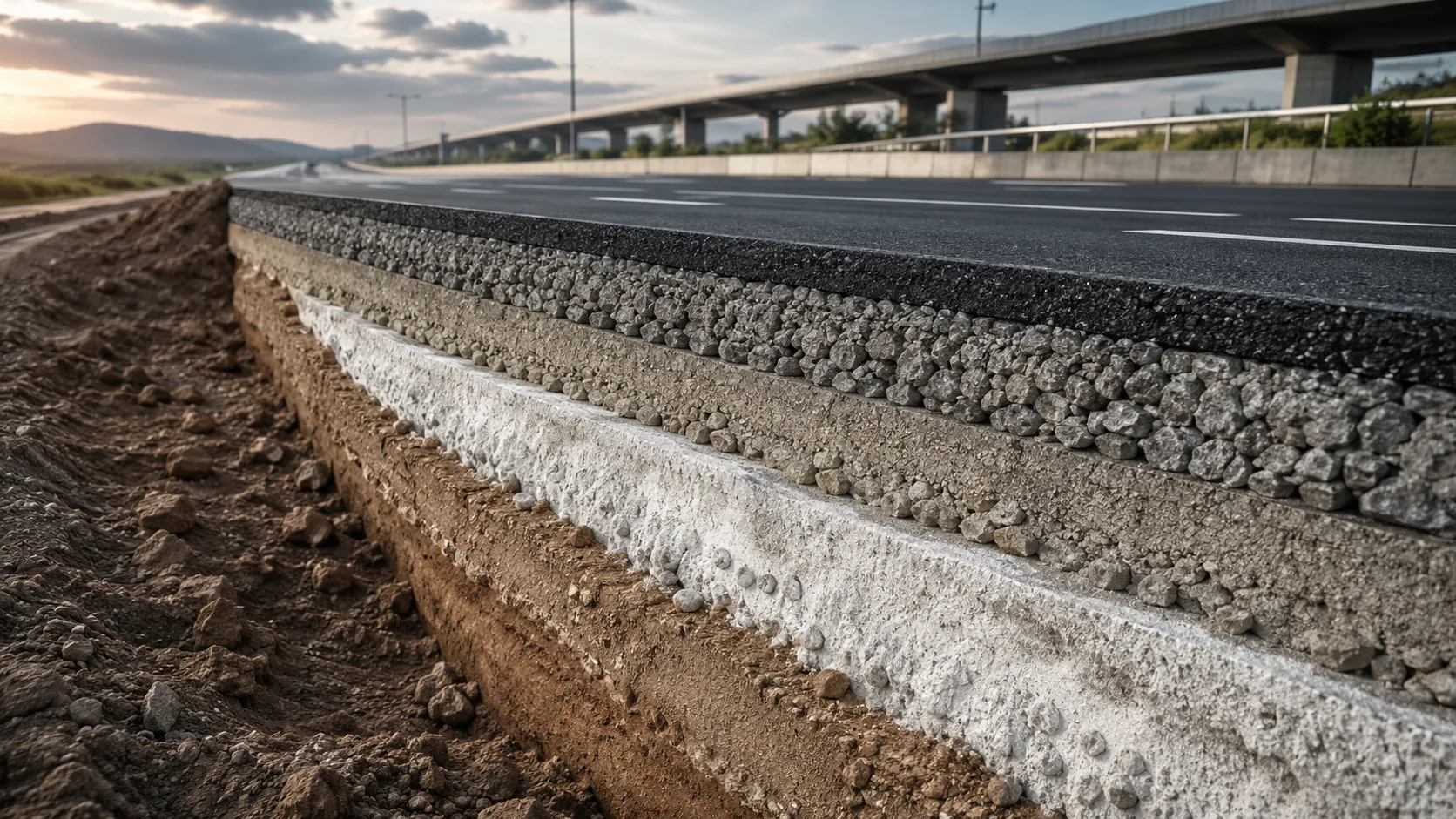
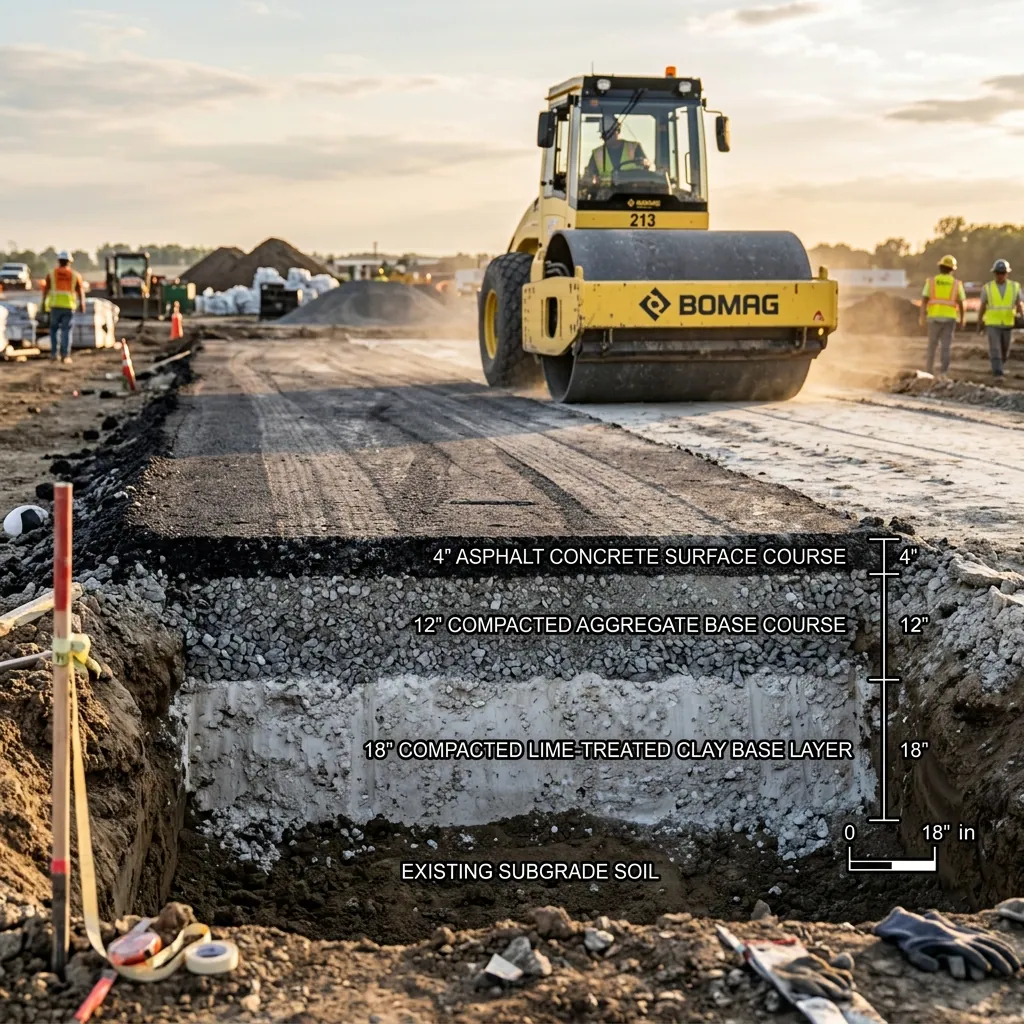
A modern flexible pavement consists of the subgrade (natural or improved soil), sub-base, granular base, bituminous binder course and, at the very top, the wearing course.
The function of each layer is to bring the stress transferred to the subgrade down to an acceptable level by progressively distributing the traffic loads above.
The Highway Technical Specification of the General Directorate of Highways (KGM) separately defines the granulometry, plasticity, compaction energy, resilient modulus and bearing capacity (CBR) thresholds for each layer. Layer thicknesses are calculated by mechanistic-empirical methods according to the project axle load, traffic volume and the strength of the subgrade. On roads to be built over weak or high-swell-potential clayey soils, laying the sub-base directly leads to settlement, rutting and fatigue cracking in the long term.
Asphalt Production and the Fundamental Components of Bituminous Mixtures
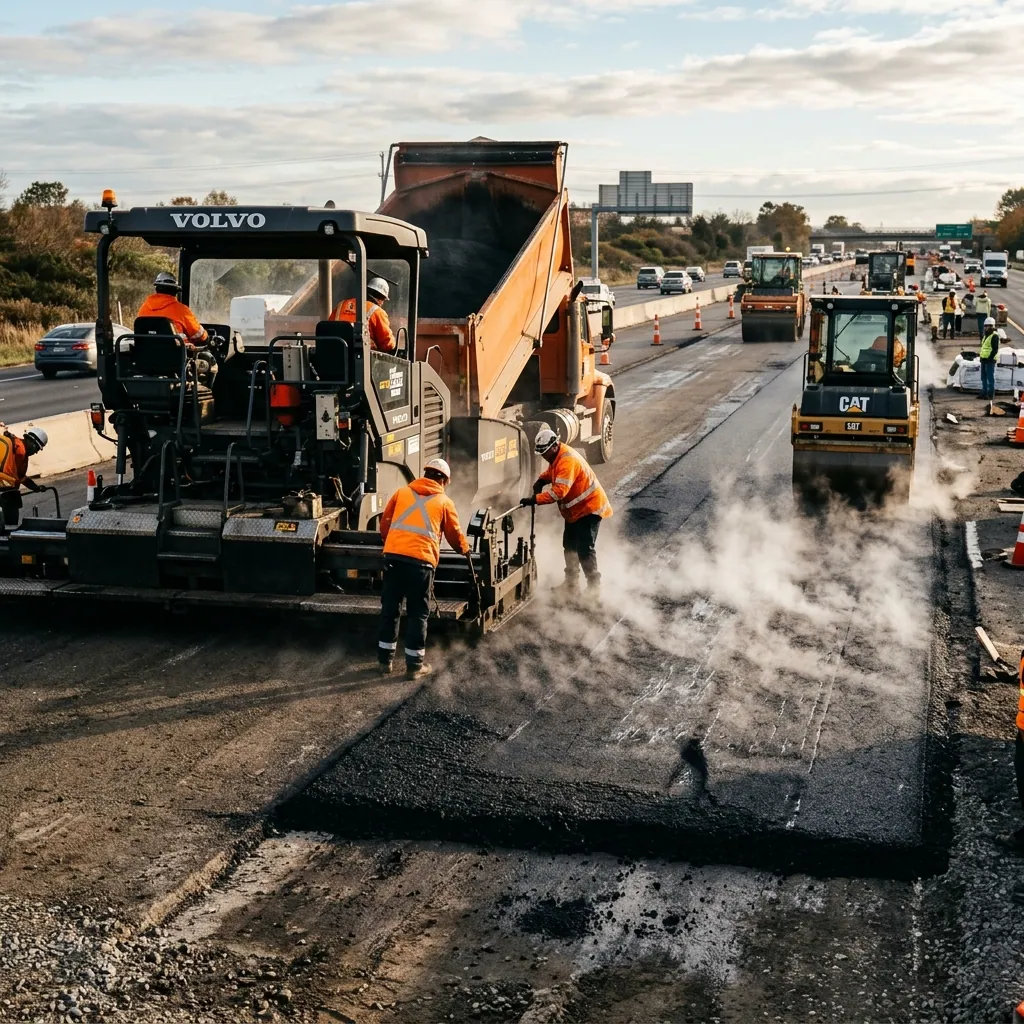
Asphalt is a bituminous hot mix produced with approximately 93-95% aggregate, 4-7% bitumen and 1-2% mineral filler.
The grading, crushed content, polishing resistance and abrasion loss of the aggregate directly determine the service life of the mixture.
Bitumen, on the other hand, is the viscoelastic binder that bonds the aggregate grains together; its behavior against temperature, repeated loading and oxidative aging are parameters the engineer must monitor carefully. The aim in mix design is to provide sufficient stiffness at high temperature against rutting, cracking resistance at low temperature, and water resistance under all conditions. In Türkiye, the aggregate used in asphalt mixtures must meet the requirements of the TS EN 13043 standard and the relevant sections of the Highway Technical Specification.
High Performance at
Industry Standard
We offer premium solutions to guarantee quality and maximise operational efficiency in Highways, Infrastructure and Asphalt processes.
Strong Quality Control
High-purity, reliable results in compliance with international standards.
Sustainability
Energy-efficient, environmentally friendly processes that minimise the environmental footprint.
- check_circle 100% Regulatory Compliance
- check_circle Low Operating Cost
- check_circle Expert Engineering Support
- check_circle 24/7 Uninterrupted Supply Network
The Role of Lime-Based Solutions in Highway Construction
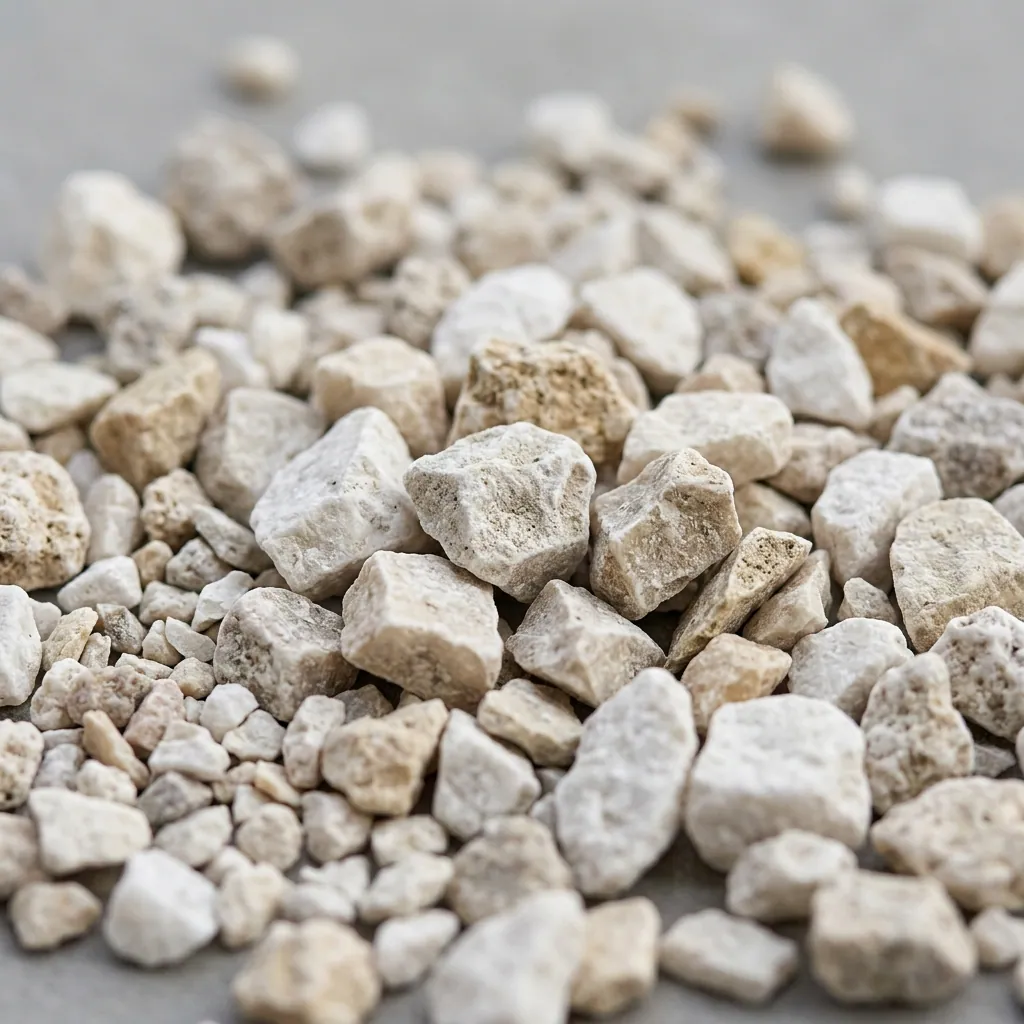
Lime is a multifunctional material used in highway construction as an additive both in soil stabilization and in the asphalt mixture. It can take on complementary roles at different stages of the same project.
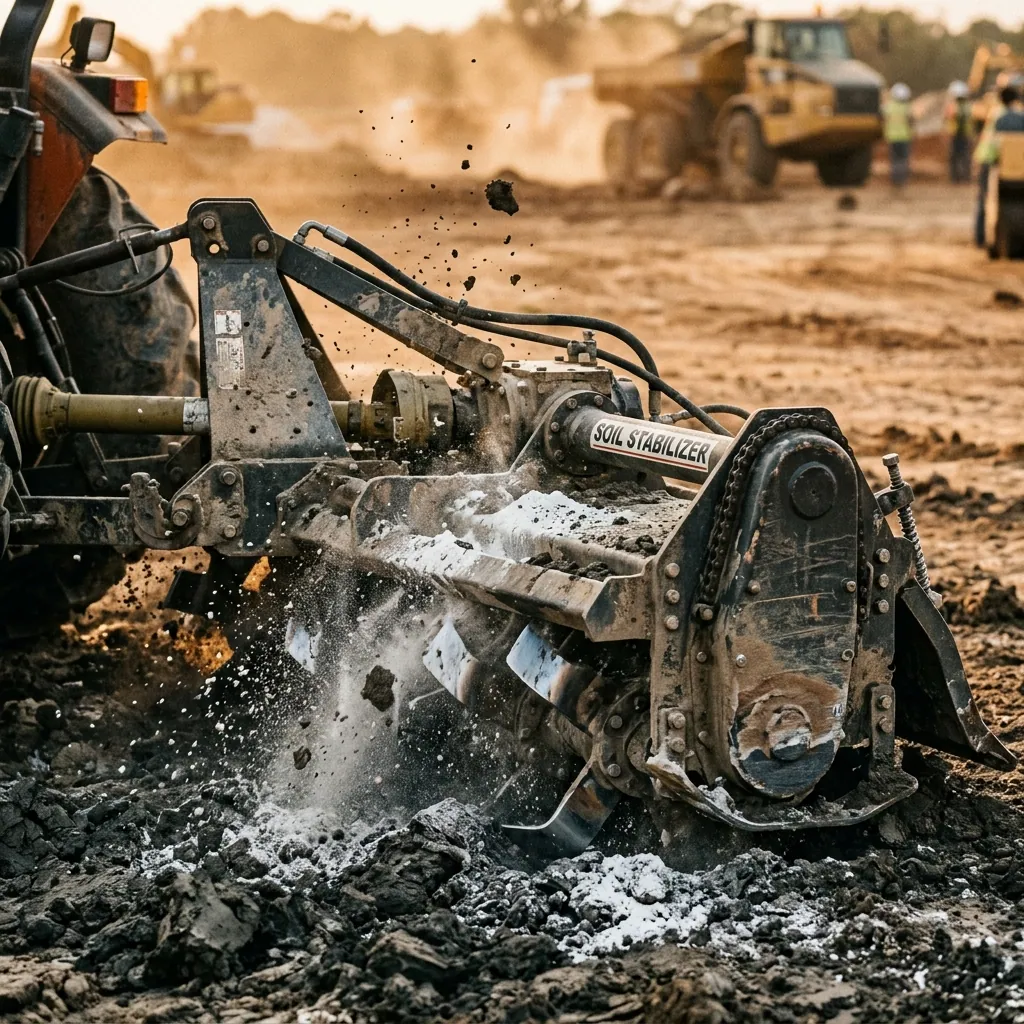
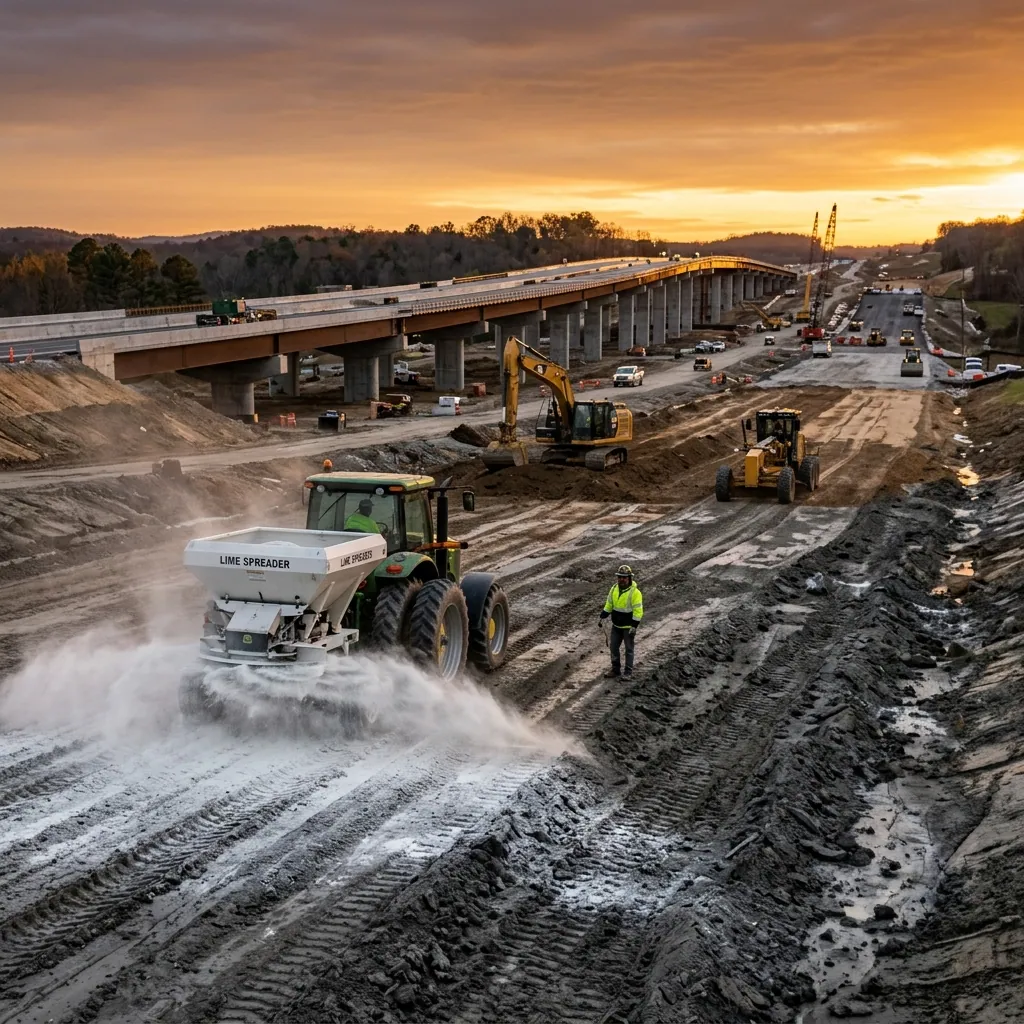
Soil Stabilization with Quicklime (CaO): On clayey and high-swell-potential soils, quicklime is applied at generally 2-5% of the total dry soil weight. By changing the surface charge of the clay, lime initiates cation exchange and flocculation reactions.
Over time, with the formation of calcium-silicate-hydrate (C-S-H) and calcium-aluminate-hydrate (C-A-H) pozzolanic bonds, the bearing capacity of the soil increases permanently and the plasticity index drops markedly. In field studies, it is reported that after stabilization the CBR value initially rises to the 11-15% range and remains stable in the long term.
Technical Points to Consider in Application
The most frequent mistake in soil stabilization is determining the lime ratio by estimation in the field. The correct ratio should be calculated through Atterberg limits, the Initial Consumption of Lime (ICL) test and 7- and 28-day CBR tests.
After the lime is spread on the soil, sufficient mixing depth must be ensured, it must be compacted at the optimum water content, and then the curing period must be observed. Since the majority of the pozzolanic reactions are completed in the first 7-28 days, applying traffic loads early reduces the final strength.
In asphalt production, the filler ratio, bitumen content and compaction temperature are sensitive parameters. If hydrated lime is to be added to the mix, the right feeding point must be selected for homogeneous distribution; it is usually integrated by spraying it onto the dry aggregate or by brief pre-mixing before the bitumen is added.

Sustainable Road Construction and Good Practice Examples as of 2026
As of 2026, the highway sector is turning toward solutions that lower the carbon footprint while increasing durability.
Soil stabilization with lime provides both economic and environmental gains by reducing the amount of fill material to be transported and the demand for natural resources extracted from quarries.
The in-situ improvement of expansive soils lowers transport-related emissions and shortens the project schedule. The use of hydrated lime in hot mix asphalt, on the other hand, extends the service life of the pavement, reduces the frequency of maintenance and repair, and improves the life-cycle cost. Road authority reports published in recent years in Europe and North America state that hydrated lime-modified pavements provide a service-life advantage over unmodified mixtures; a similar approach is also becoming increasingly widespread in large-scale projects in Türkiye.