


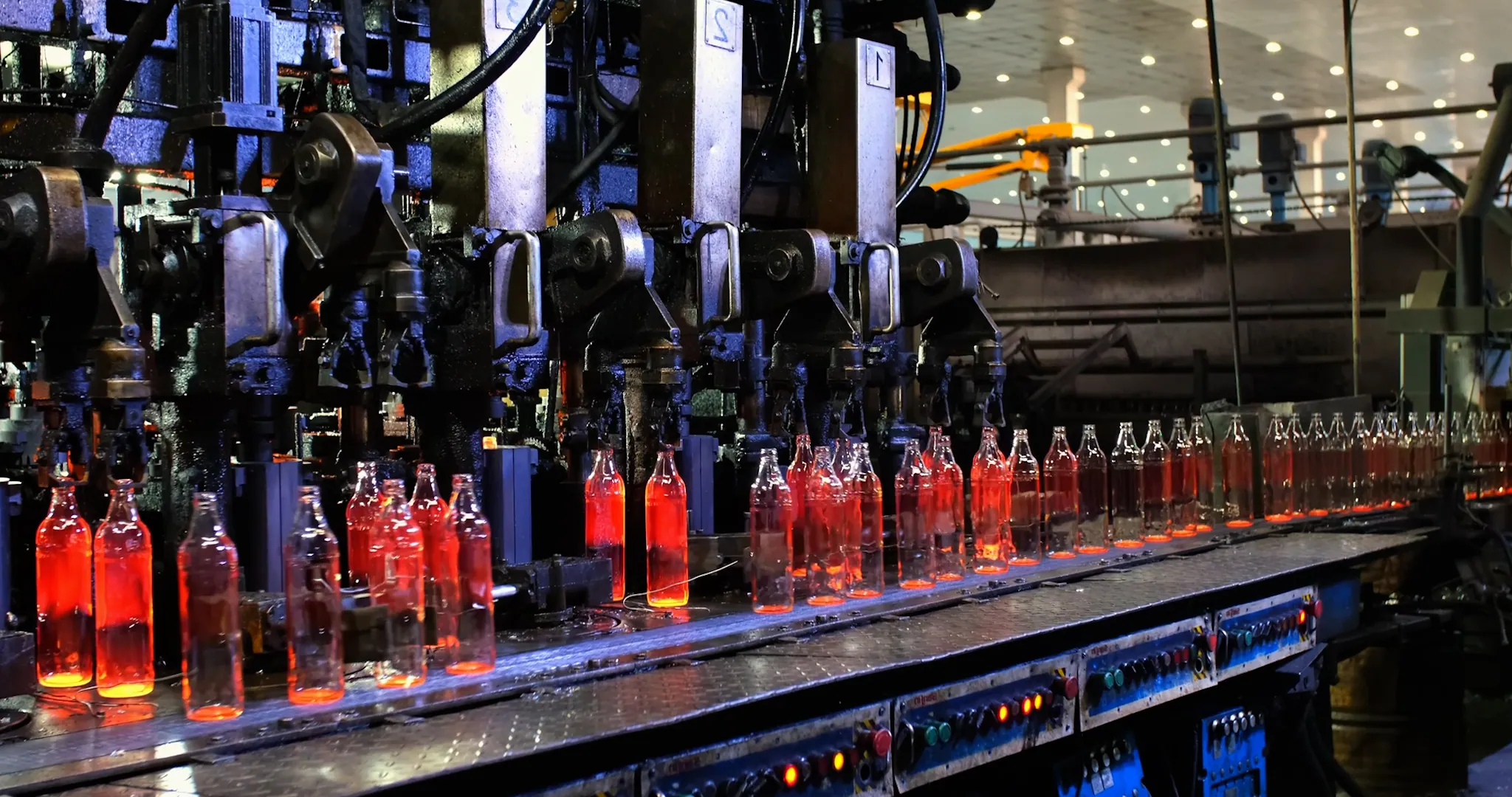
Core Processes of the Glass and Ceramics Industry
The glass and ceramics industry is an energy-intensive, chemistry-driven sector that supplies the construction, packaging, automotive and white goods sectors by processing mineral raw materials such as silica, soda, feldspar and limestone at high temperatures (1000-1600 °C). In this sector, calcium-based minerals are both a key component of the formulation and the main input for emission control.
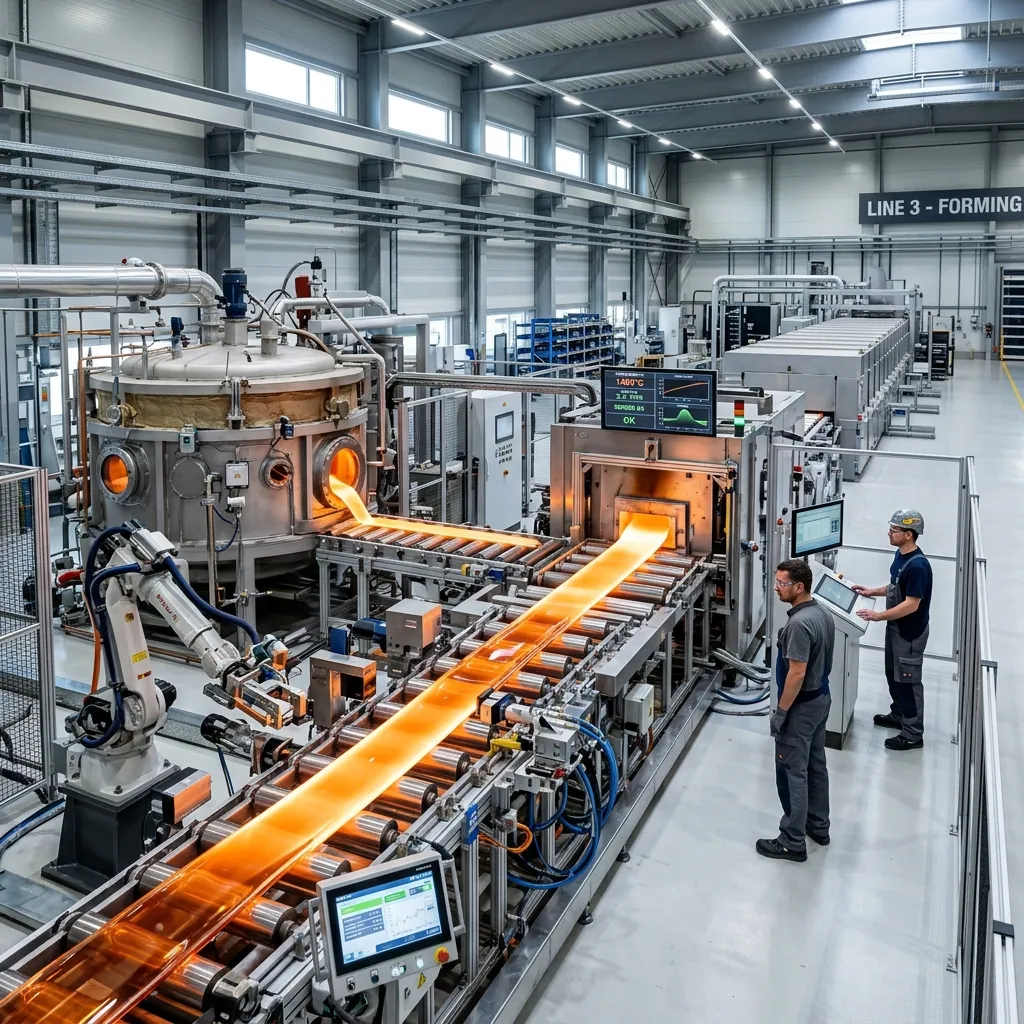
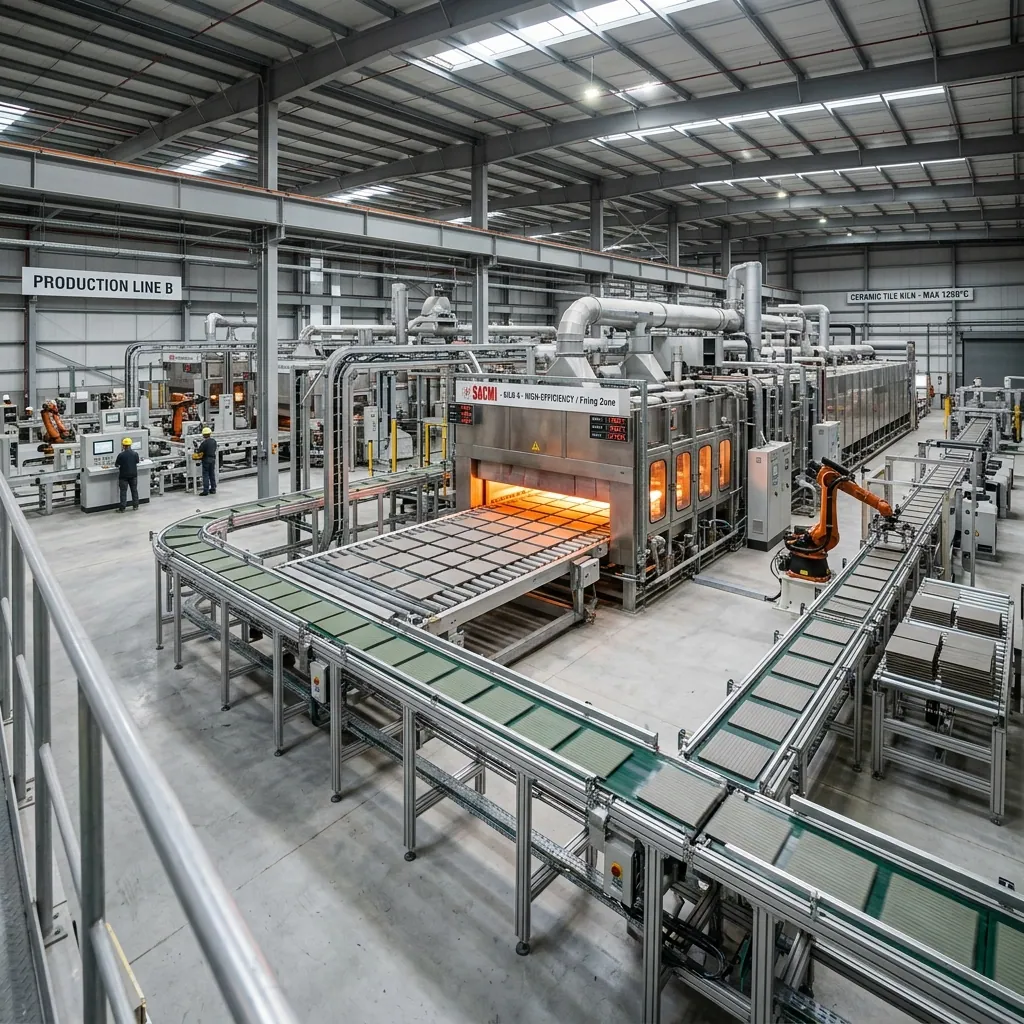
Glass production consists of five main stages: batch preparation, melting (1450-1600 °C), forming, annealing and finishing. In flat glass production, the molten glass spreads over a tin bath on the float line to form an optical surface. Ceramic production, on the other hand, comprises slip preparation, forming, drying, biscuit firing and glaze firing.
In both sectors, the chemical purity, particle size and moisture of the mineral raw materials are the key variables that determine the transparency, mechanical strength and thermal shock resistance of the final product.
The Effect of Raw Material Selection on Product Quality
Soda-lime-silica glass accounts for approximately ninety percent of the world's glass production, and its typical formula contains 70-74% silica, 12-16% soda and 8-14% calcium oxide (CaO) by mass. CaO is the main stabiliser that increases the glass's resistance to water and stabilises the softening temperature. Small deviations in the stabiliser ratio can cause colour defects on the float line.
In ceramic formulations, calcium carbonate and calcium oxide are used to control the degree of whiteness, pore distribution and thermal expansion coefficient. They are preferred as a flux source in glazed tiles, porcelain (granite) tiles and sanitaryware.
Dolomitic lime: Used as an MgO source in some glass formulations to reduce devitrification (crystallisation). If not optimised, it can increase the furnace's energy consumption.

In Raw Material Quality Parameters,
Our Focus Is Product Quality
We offer high-purity raw materials and reliable supply systems designed to reduce the scrap rate in your production processes and maximise final product quality.
Maximum Purity
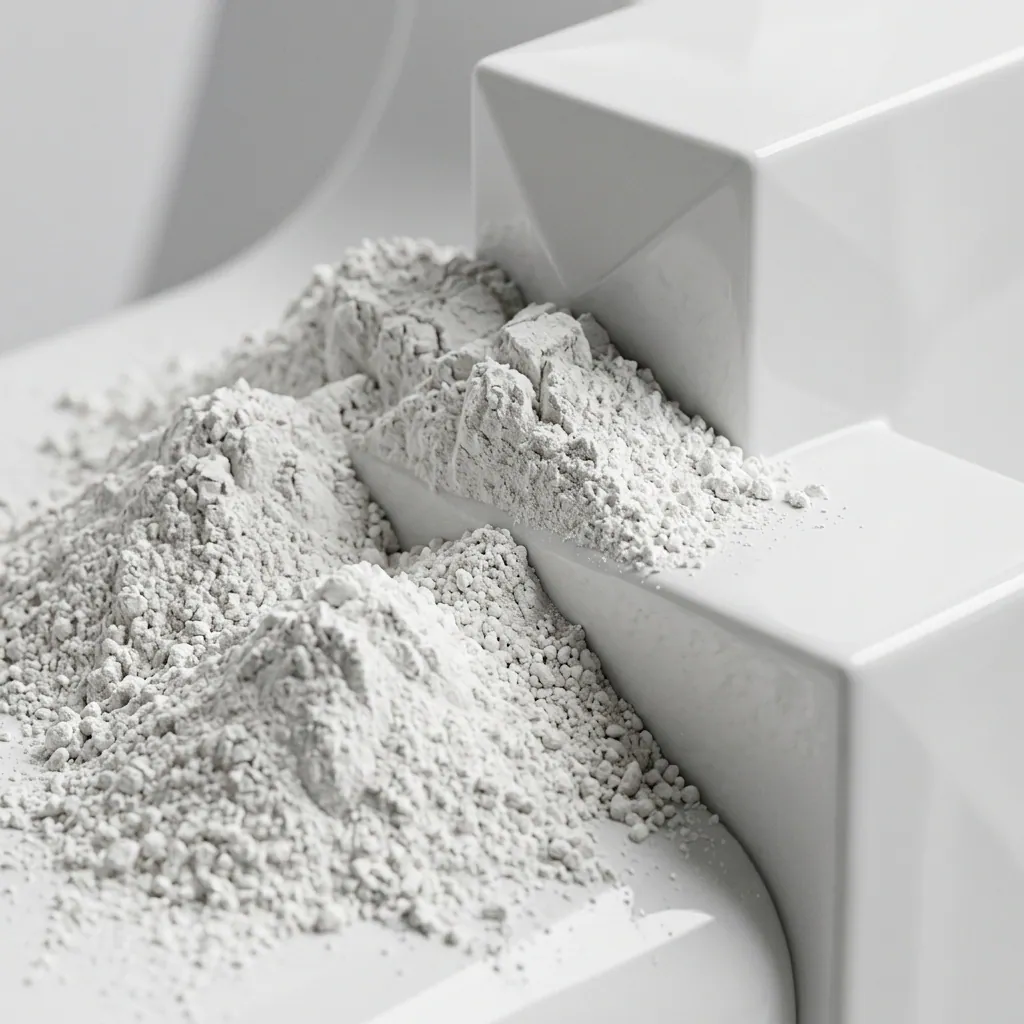
Industrial quality standard with a CaCO₃ content between 95-99% for your glass and ceramic formulations.
Homogeneous Melting
Reduces the risk of thermal shock by optimising the batch moisture between 3-5% (ideal particle size 0.1-1.0 mm).
- check_circle Colour Defect Prevention (Fe₂O₃ < 0.1%)
- check_circle Sophisticated Formulations (1-4% MgO)
- check_circle Reducing Furnace Energy Consumption
- check_circle Optical Surface Quality Guarantee
The Role of Lime-Based Solutions in Glass and Ceramic Production
- Aggregate (Limestone): The starting raw material of the glass batch. It absorbs heat in the melting furnace and converts into CaO form; in the glass batch, the homogeneity of the limestone directly affects energy consumption.
- Quicklime (CaO): Since it is pre-calcined, adding it to the formulation in special glasses reduces the furnace's decarbonisation load by a percentage. It is also critical in process water conditioning and hard water softening.
- Hydrated Lime (Ca(OH)₂): The ideal reagent for heavy metal precipitation in wastewater treatment units (pH 5-9) or for acid neutralisation processes in furnace flue gases (SO₂, HF, HCl).
- Lime-Based Desiccant: With its high capacity, it prevents packaging deterioration and ceramic staining during long sea shipments (container rain, etc.).
Waste Management and Emission Control Standards
Glass and ceramic furnaces are among the industries that are specifically monitored in the EU BAT (Best Available Techniques) reference documents.
| Application Area | Solution & Critical Parameter |
|---|---|
| Flue Gas (SO₂ & HF) | Ca(OH)₂ powder or suspension; Ca/S molar ratio typically 1.5 - 2.5 (can rise to 3 in fluoride-rich environments) |
| Wastewater Neutralisation | Precipitation of heavy metals via automation (0.5-2.0 kg/m³) by keeping the pH of ceramic glazing acids between 5-9. |
| NOx Emission Systems | The reagent acting as a particulate protective layer in SNCR/SCR systems, preventing wear with a lime shield. |
| Next-Generation Trends | Achieving energy efficiency by increasing recycled glass (cullet) to 90%, while being required to update the fresh lime dosage with new XRF analyses. |