



What Is Ore Beneficiation and Why Is It Necessary?
Ore beneficiation is the separation of raw ore by physical and physicochemical methods in order to produce an economically processable concentrate.
A mineral that comes out of a copper ore at a grade of only 0.5-1% can be converted, after flotation, into a concentrate reaching a grade of 25-30%.
In gold mining, recovering a few grams of metal per ton of ore requires correct pre-preparation, precise reagent chemistry and a controlled pH environment. Low-grade ores fed to metallurgical processes without beneficiation mean high energy consumption, low recovery and a large environmental burden. For this reason, ore preparation and beneficiation is one of the most critical links determining the economic life and environmental footprint of a mine.
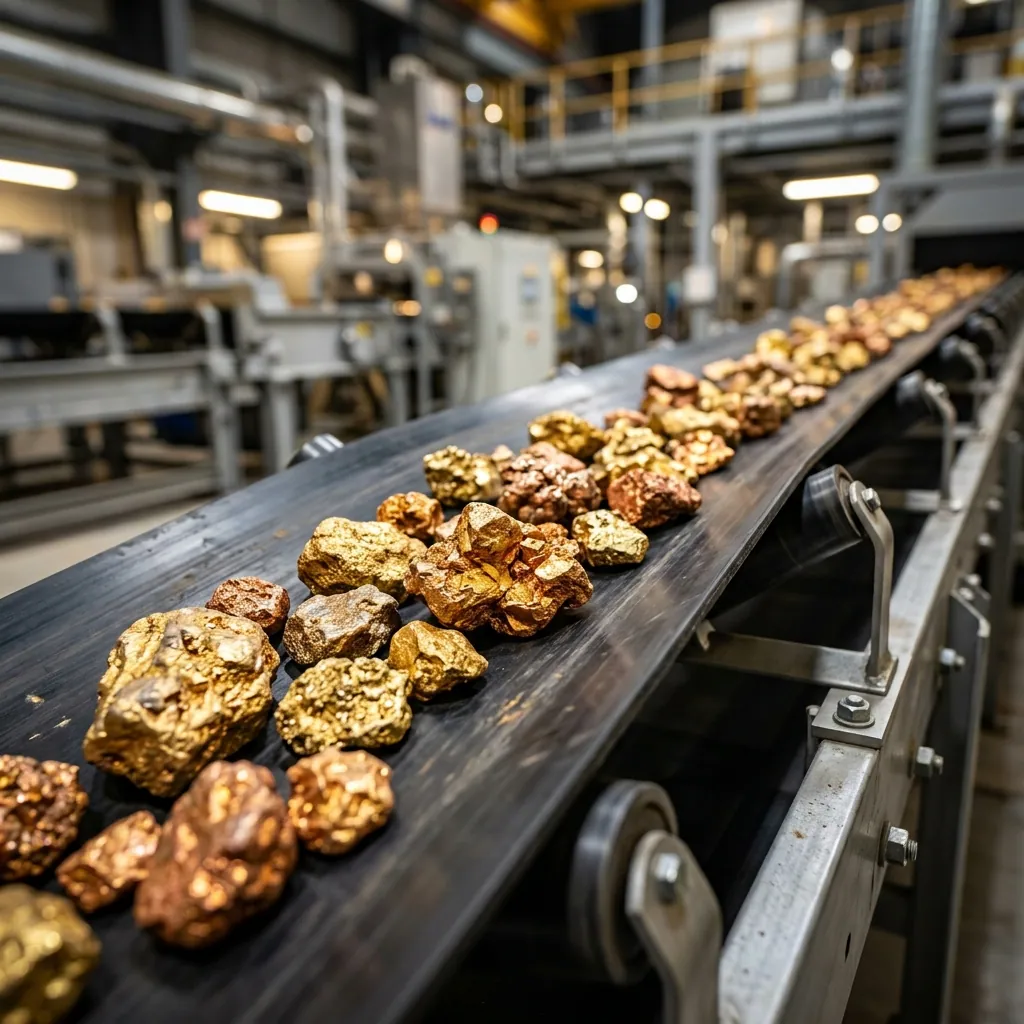
The Fundamental Stages of Beneficiation Processes
A typical metallic ore beneficiation plant consists of several main sections that feed into one another. The process generally proceeds in sequence as crushing, grinding, classification, flotation or leaching, followed by dewatering and waste management.
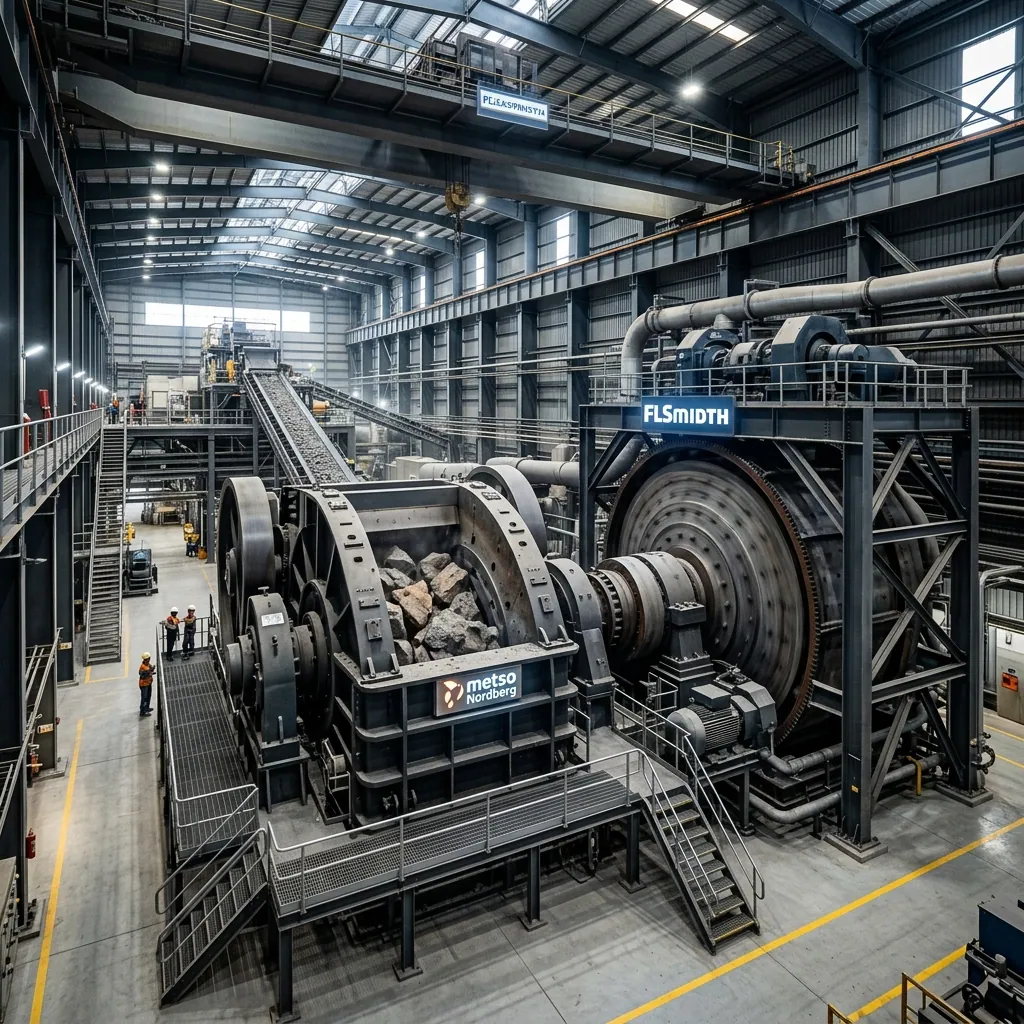
Crushing and grinding: The ore is reduced to a size of 10-15 mm in jaw and cone crushers, then ground to the liberation grain size in ball or SAG mills. This stage accounts for 40-60% of the plant's total energy consumption.
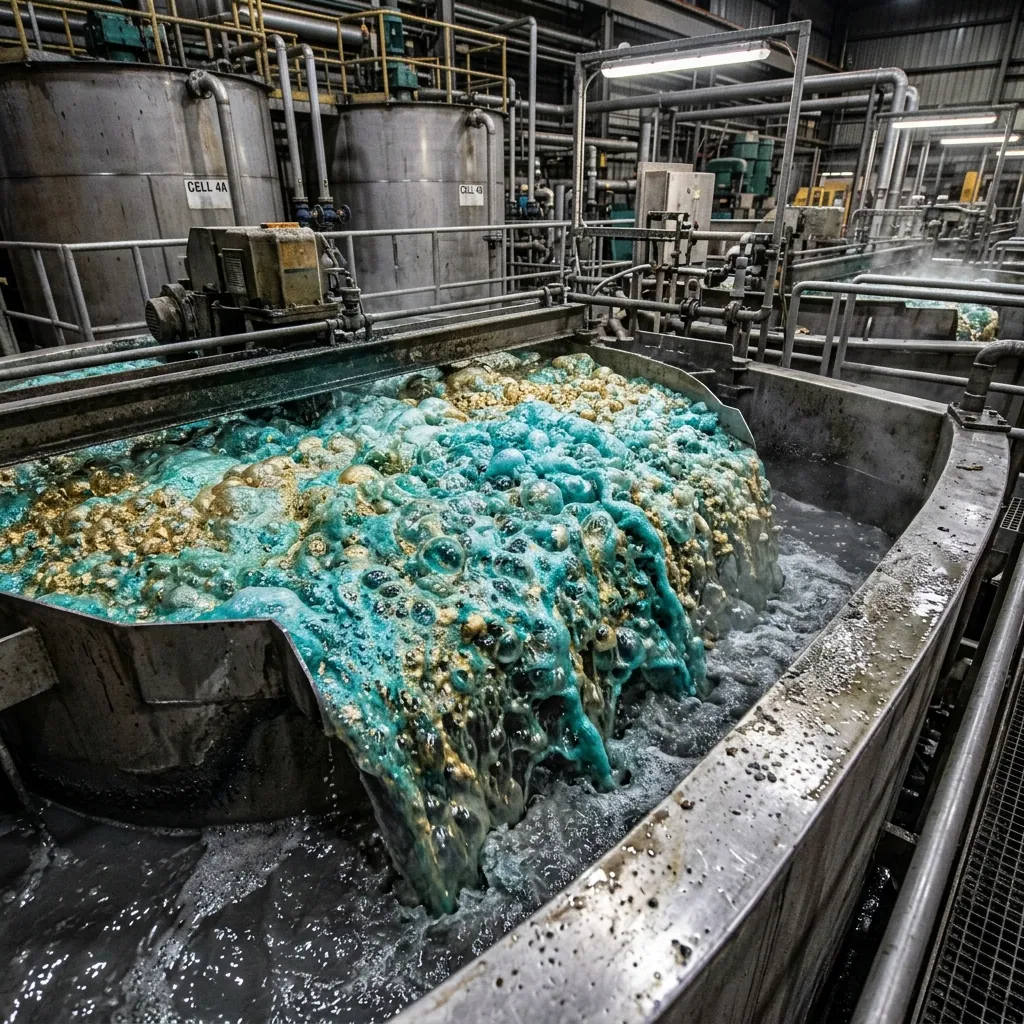
Classification: Hydrocyclones control the grain size distribution, returning coarse grains to the mill and feeding fine grains to flotation. Flotation: Froth flotation works on the principle of selectively hydrophobizing mineral surfaces. Collector, frother, depressant and pH-adjusting reagents come into play.

High Performance at
Industry Standard
We offer premium solutions to guarantee quality and maximise operational efficiency in Mining and Ore Beneficiation processes.
Strong Quality Control
High-purity, reliable results in compliance with international standards.
Sustainability
Energy-efficient, environmentally friendly processes that minimise the environmental footprint.
- check_circle 100% Regulatory Compliance
- check_circle Low Operating Cost
- check_circle Expert Engineering Support
- check_circle 24/7 Uninterrupted Supply Network
pH Control in Flotation and the Role of Lime-Based Solutions
In flotation, the response of the mineral surface to reagents depends directly on the medium pH. In most sulfide ores (copper, lead, zinc, nickel and gold-bearing pyrite matrices), an alkaline medium is the operating standard.
The most common reagent used in the industry to raise the pH is hydrated lime (calcium hydroxide, Ca(OH)₂). When a higher alkalinity requirement and the advantage of dry feeding are desired, quicklime (calcium oxide, CaO) is preferred; CaO is slaked within the plant to prepare a slurry.
The typical operating ranges are as follows: in copper-molybdenum flotation the pH is generally 10-11, in gold-bearing pyritic ores 10-12, and in lead-zinc separation an alkalinity of 11.5 and above is maintained for the zinc circuit. These values allow the valuable sulfide minerals to float while depressing pyrite.
Lime in Cyanide Leaching and Acid Mine Drainage Management
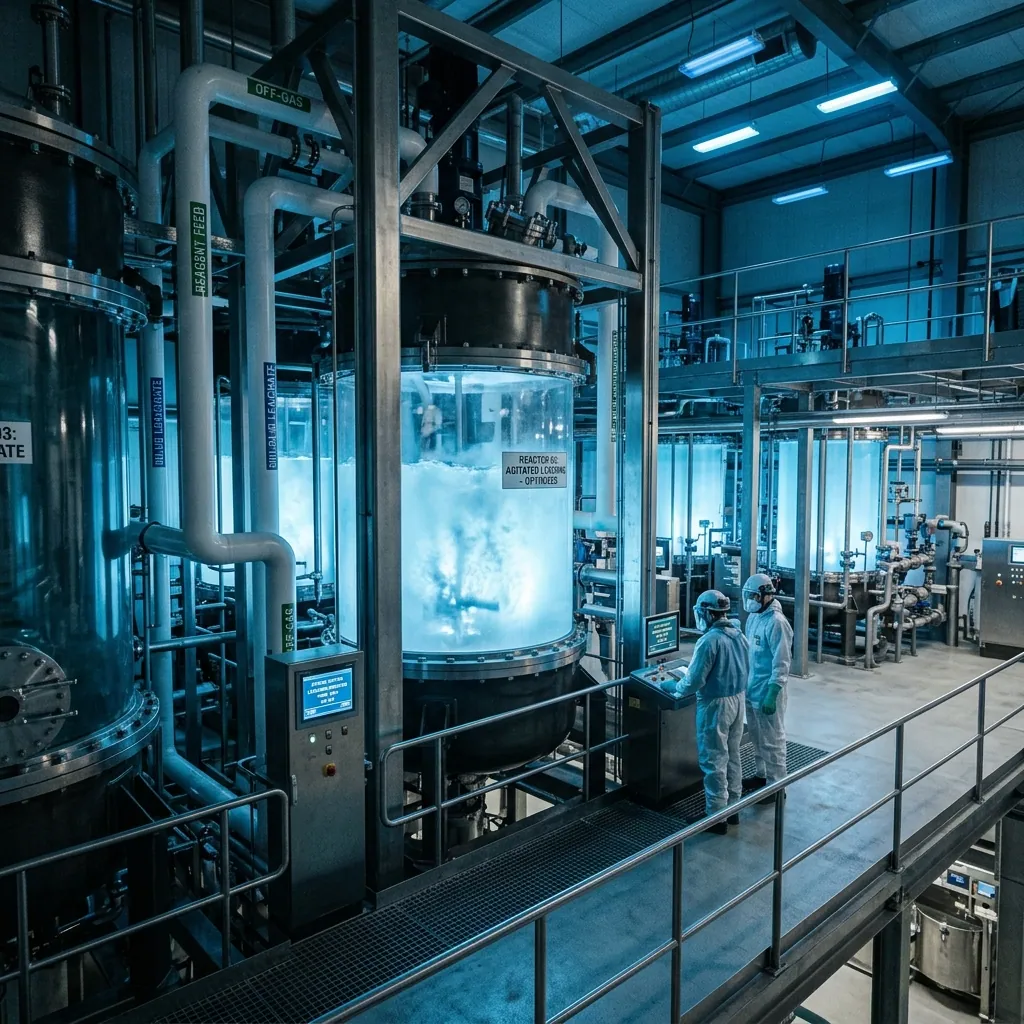
In gold mining, cyanide leaching is the method widely used to dissolve gold from the ore.
When the medium pH of sodium cyanide (NaCN) is not kept in the 10.5-11.5 range, the cyanide ions convert into hydrogen cyanide (HCN) gas, both threatening operator safety and creating a loss of reagent.
To provide this alkalinity, the addition of hydrated lime is mandatory in tank and heap leaching operations. When spreading ore onto heap leach pads, lime acts in the agglomeration step as both a pH buffer and an auxiliary binder providing agglomerate strength. Acid mine drainage (AMD), which arises from the contact of sulfide tailings with the atmosphere, is one of the most serious environmental risks, capable of producing a sulfuric acid and dissolved heavy metal load even years later.
Aggregate and Auxiliary Products in Mine Site Infrastructure
The reliable operation of an ore beneficiation plant depends not only on the process chemistry but also on the quality of the site infrastructure.
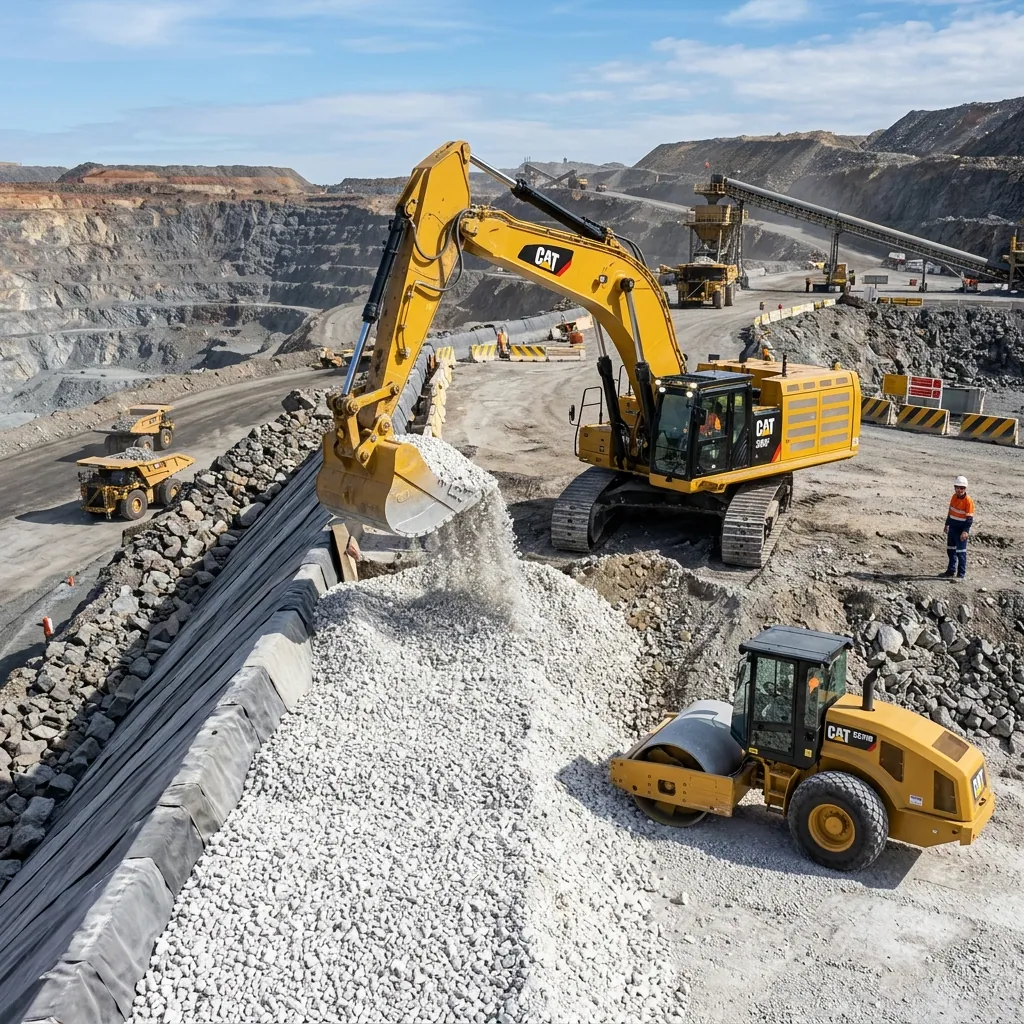
Limestone-origin aggregate products are used with multiple functions on mine sites: Service roads and on-site transport: Crushed stone and chippings for the construction of sub-base and base layers that withstand heavy truck traffic.
Tailings dam slope and drainage layers: Coarse-grained aggregate for slope stability and granulometry-controlled material for filter layers that direct seepage water. Concrete and shotcrete production: Ready-mixed concrete used in underground galleries and plant structures, and fill material for load-bearing elements. Erosion control and rehabilitation: Reducing surface erosion and landscaping on closed terraces and dump sites.
Good Practices in Sustainable Ore Beneficiation as of 2026
As of 2026, the share of low-grade and complex ores in the world metal market is increasing; this situation makes more precise reagent management and stricter waste control mandatory in beneficiation plants.
According to current industry reports, water management, chemical efficiency and the reduction of waste-related risks rank high on the sector's agenda.
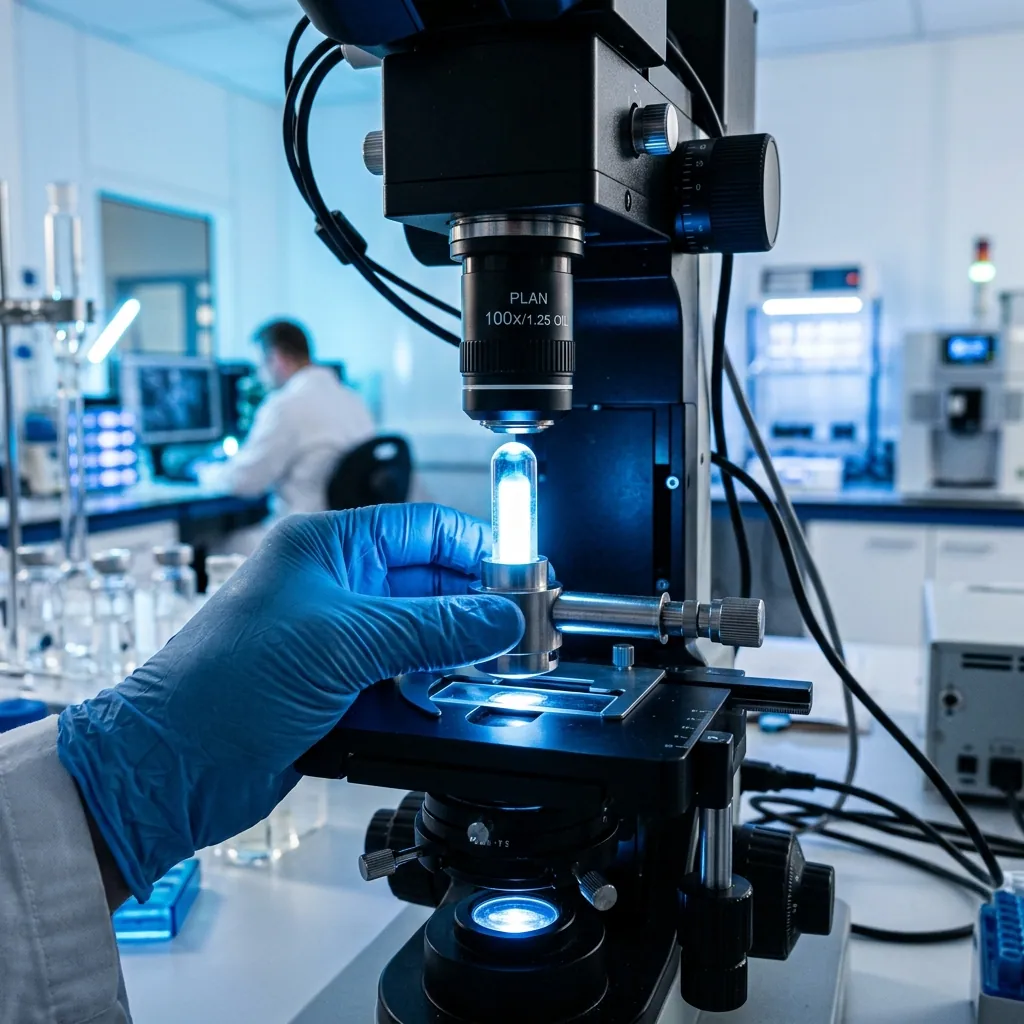
It is recommended to obtain current data on the subject from the competent authorities and institutions. Among the good practices, the following stand out: regular testing of lime reactivity in the laboratory and the field, correct mixing and temperature control in slurry preparation tanks, continuous pH measurement with online probes, and adjustment of the dosage through a PLC/DCS-based automatic control loop.