


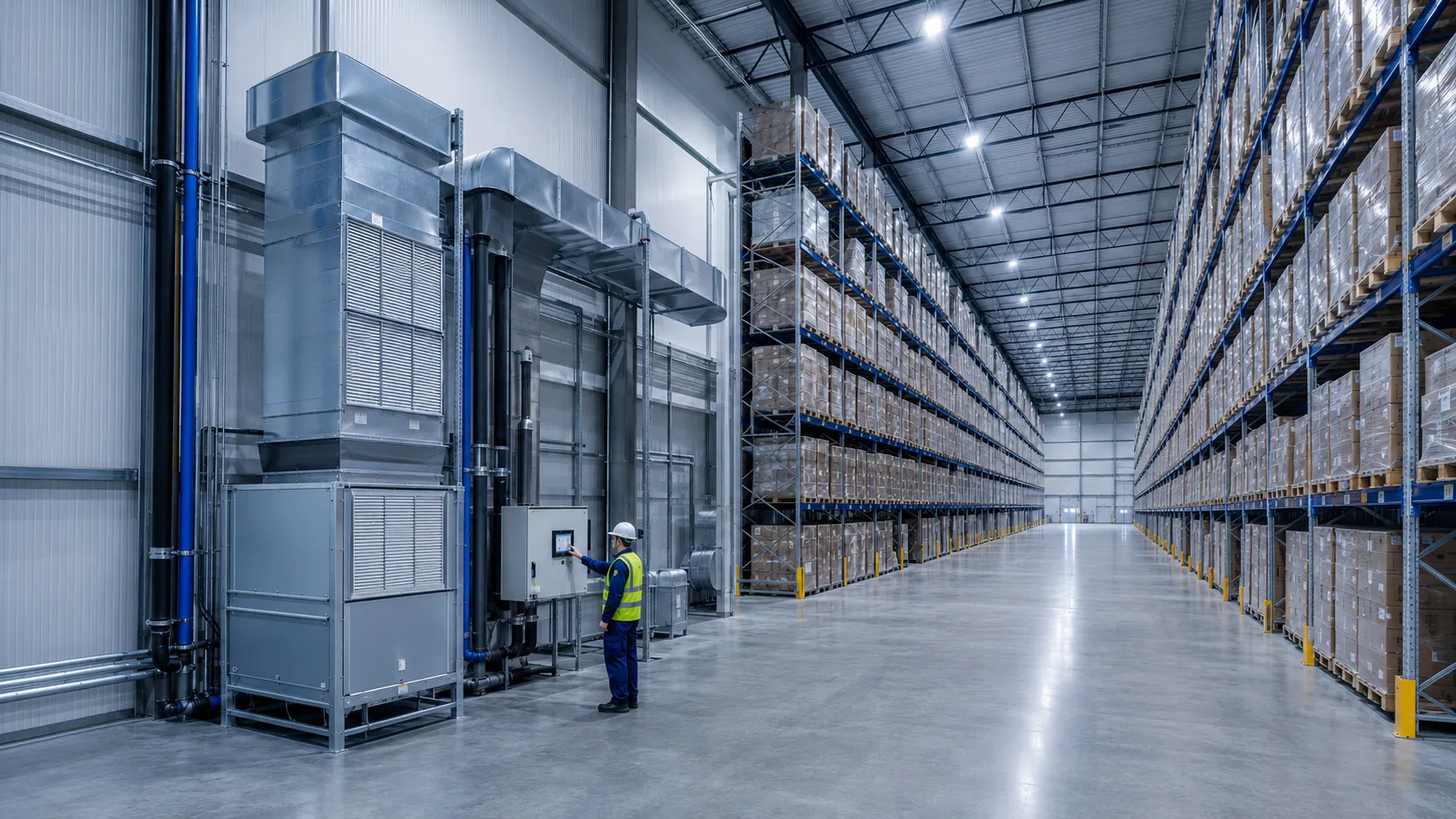
What Is the Chemical and Pharmaceutical Industry and Which Production Branches Does It Cover?
In the chemical and pharmaceutical industry, lime-based products provide concrete solutions in at least four different stages: wastewater treatment, flue gas cleaning, raw material storage and site infrastructure. Even if they are not used directly on the production line, lime-based solutions are seen as an integral part of the sector's environmental compliance and logistics processes.
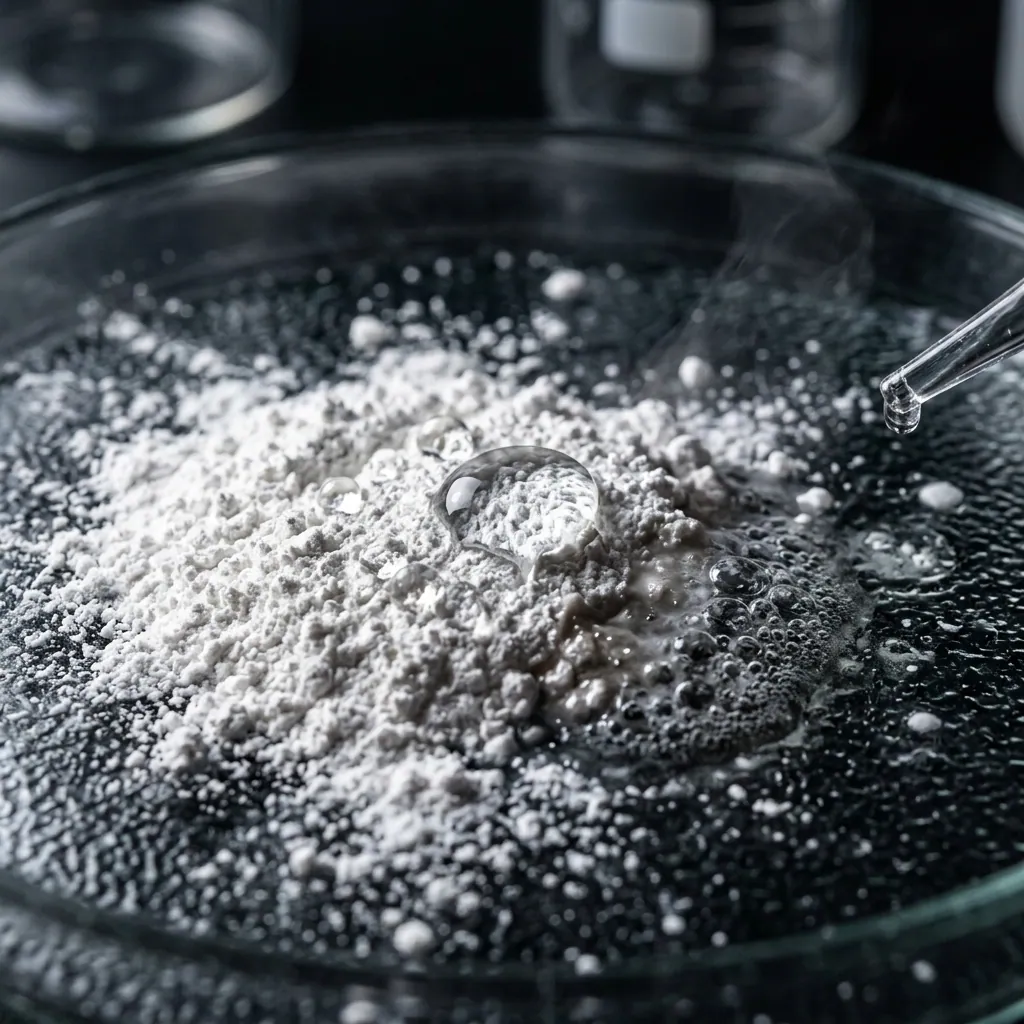
Hydrated lime (Ca(OH)₂) is the sector's most critical wastewater treatment chemical. In neutralizing acidic synthesis wastewater, it is used to raise the pH generally to the 9-11 range; in this pH range, heavy metals (e.g.
Zn, Cu, Ni, Cr) precipitate in hydroxide form and are removed from the water as precipitate sludge. The same product also supports flocculation during the flocculation stage and increases the efficiency of the settling basins.
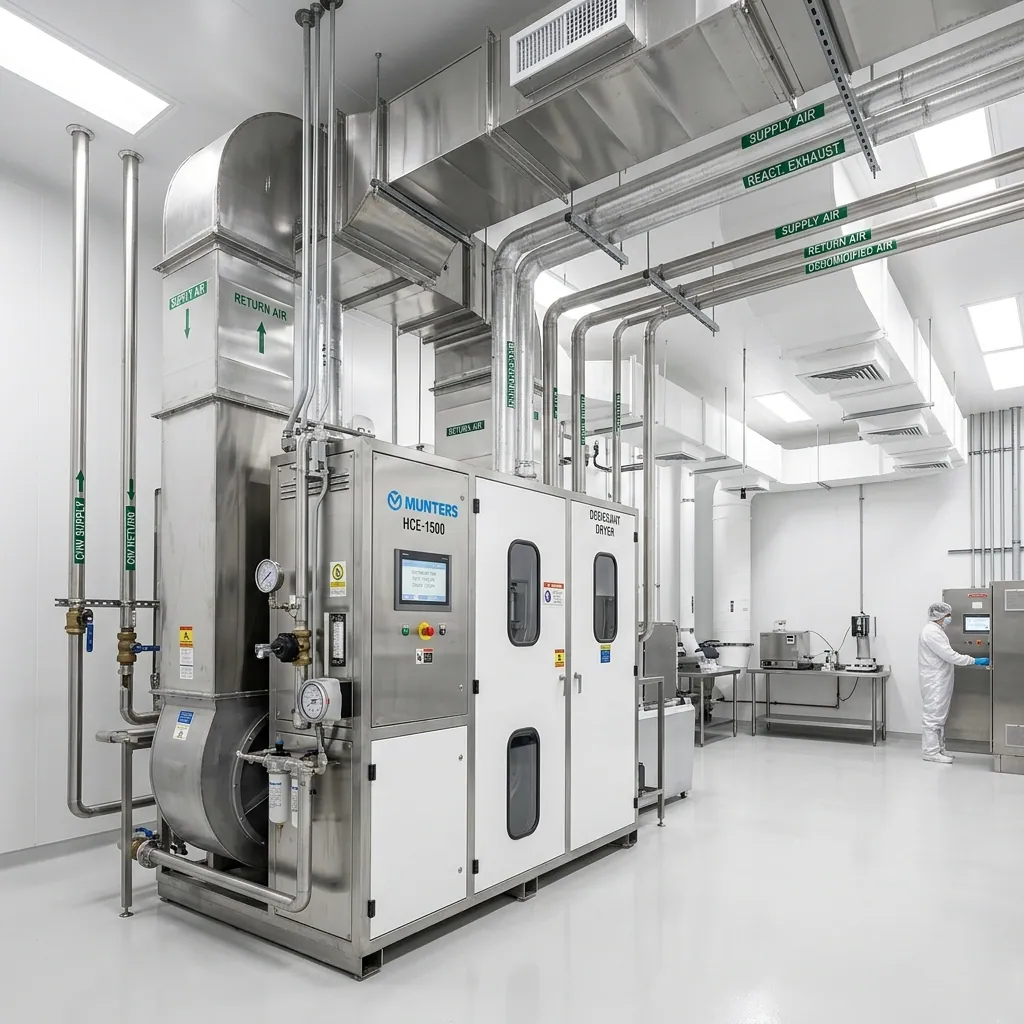
The Sector's Fundamental Process Steps and Production Chain
The chemical and pharmaceutical production chain can be examined in four main stages: raw material preparation, reaction, purification and formulation. At each step, parameters such as temperature, pressure, pH and moisture are controlled with precision; even small deviations can affect the quality specifications of the final product.
In raw material preparation, weighing, drying and pre-mixing are carried out; at this stage, raw material moisture is often the critical control point. In the reaction stage, organic or inorganic syntheses are carried out in reactors generally in the 40-180 °C temperature range and under controlled pH conditions.
In the purification step, extraction, crystallization, filtration and solvent recovery come into play. The formulation stage covers the transition to tablet, capsule, granule or liquid form. Each of these four stages is supported by auxiliary processes.
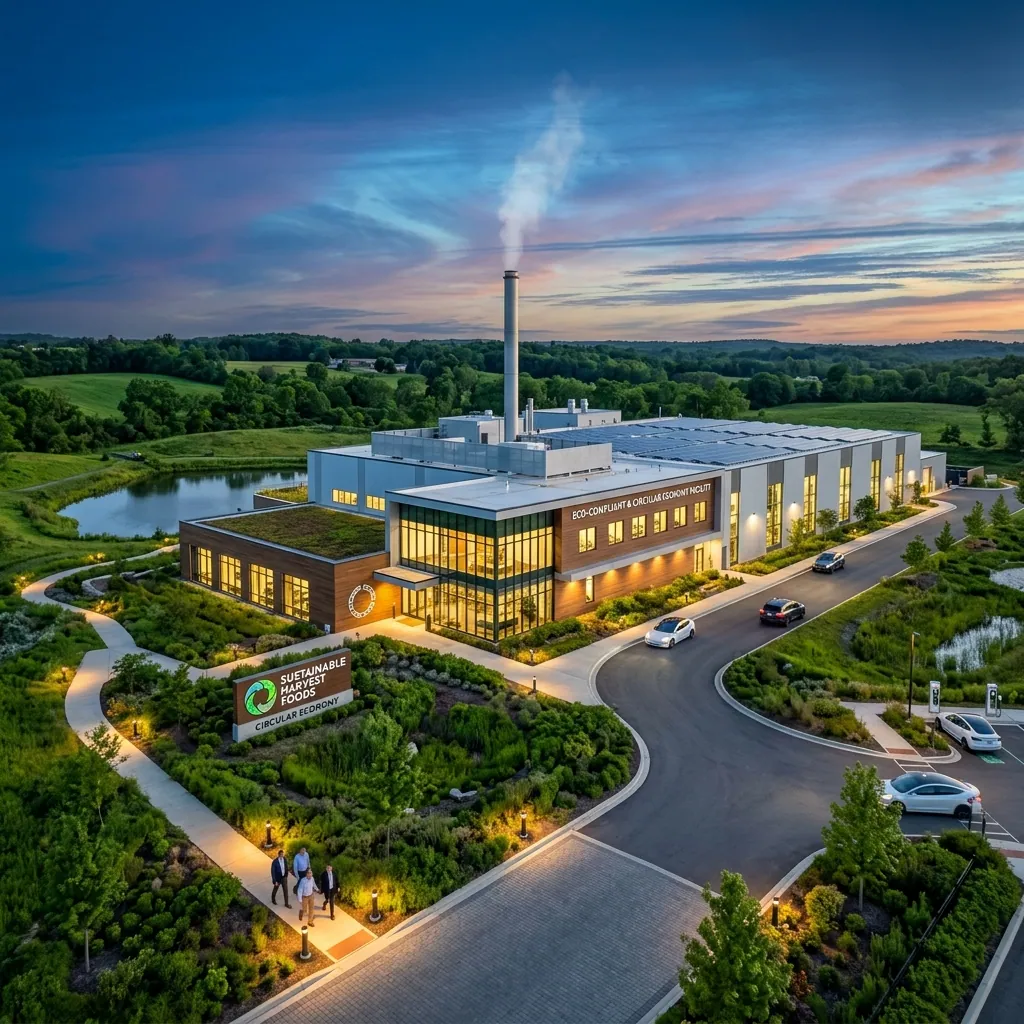
High Performance at
Industry Standard
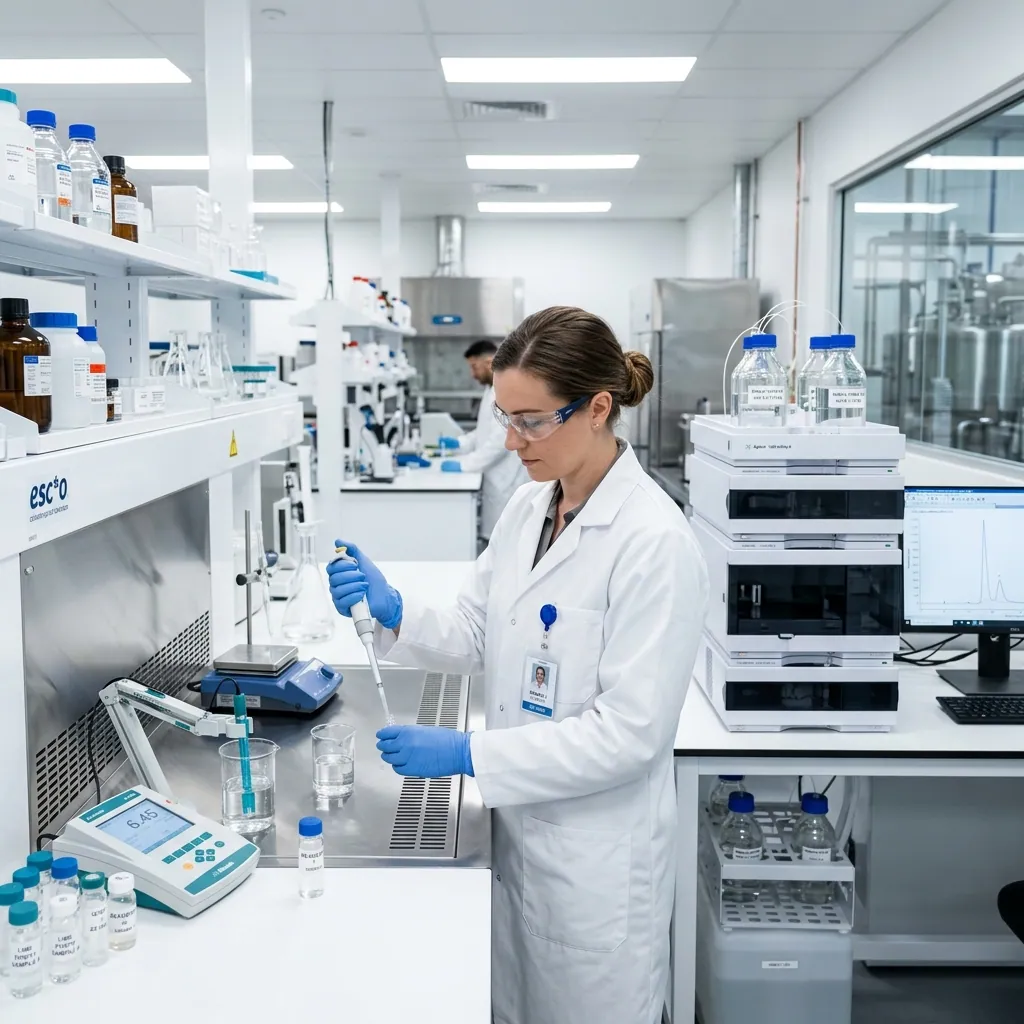
We offer premium solutions to guarantee quality and maximise operational efficiency in Chemical and Pharmaceutical Industry processes.
Strong Quality Control
High-purity, reliable results in compliance with international standards.
Sustainability
Energy-efficient, environmentally friendly processes that minimise the environmental footprint.
- check_circle 100% Regulatory Compliance
- check_circle Low Operating Cost
- check_circle Expert Engineering Support
- check_circle 24/7 Uninterrupted Supply Network
Wastewater, Flue Gas and Storage: Three Critical Environmental Topics
The environmental footprint of the chemical and pharmaceutical industry is shaped mainly under three headings: wastewater, flue gas and the storage of sensitive raw materials.
These three headings directly affect both the sector's regulatory compliance and its operational continuity.
On the wastewater side, the streams arising from synthesis reactions, washing steps and cleaning operations can be acidic, alkaline, high in COD load or contain heavy metals. According to industry reports, a significant portion of the wastewater leaving pharmaceutical production plants cannot be discharged to the receiving environment without pH neutralization and precipitation processes.
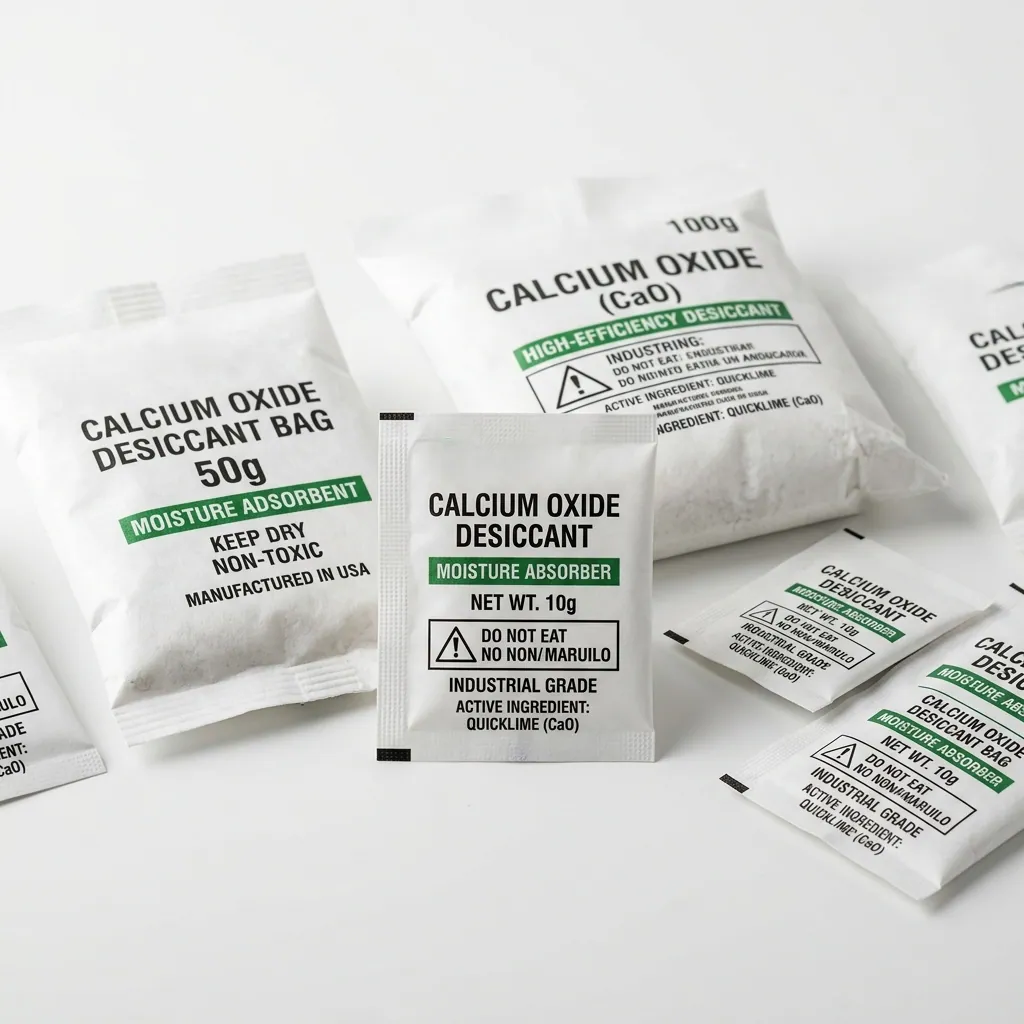
The Role of Lime-Based Solutions in the Chemical and Pharmaceutical Industry
In the chemical and pharmaceutical industry, lime-based products provide concrete solutions in at least four different stages: wastewater treatment, flue gas cleaning, raw material storage and site infrastructure. Even if they are not used directly on the production line, lime-based solutions are seen as an integral part of the sector's environmental compliance and logistics processes.
Hydrated lime (Ca(OH)₂) is the sector's most critical wastewater treatment chemical. In neutralizing acidic synthesis wastewater, it is used to raise the pH generally to the 9-11 range; in this pH range, heavy metals (e.g.
Zn, Cu, Ni, Cr) precipitate in hydroxide form and are removed from the water as precipitate sludge. The same product also supports flocculation during the flocculation stage and increases the efficiency of the settling basins.
Technical Points to Consider in Application
Several technical parameters need to be monitored for the efficient use of lime-based solutions in the chemical and pharmaceutical industry. First, in wastewater neutralization, the milk of lime concentration is generally prepared at 10-20% by mass and the dosage is automatically controlled according to pH.
Overdosing increases the sludge volume and raises the disposal cost; underdosing leads to discharge limits being exceeded. In flue gas treatment, lime reactivity and grain size are decisive.
Lime products with a high specific surface area and small grain size increase SO₂ capture efficiency; in industrial applications, the Ca/S molar ratio is generally kept between 1.3 and 2.5. In dry systems, a flue gas temperature around 140-180 °C is the suitable window for the reaction.
Sectoral Approach and Good Practice Trends as of 2026
As of 2026, the chemical and pharmaceutical industry in Türkiye and Europe is transforming within the framework of the circular economy, zero waste and Best Available Techniques (BAT). Tightening discharge limits in environmental legislation and carbon footprint reporting requirements are steering manufacturers toward more efficient pH control and emission treatment solutions.
In this process, calcium hydroxide and related lime products stand out with their advantages of low cost, national accessibility and local supply. On the other hand, demand for pharmaceutical-grade calcium compounds (Ph.
Eur., USP) is expanding the market for local producers capable of advanced purification. At the same time, with the spread of DSI (Dry Sorbent Injection) systems in flue gas treatment, demand for reactive lime products is, according to industry reports, expected to increase in the coming years.