


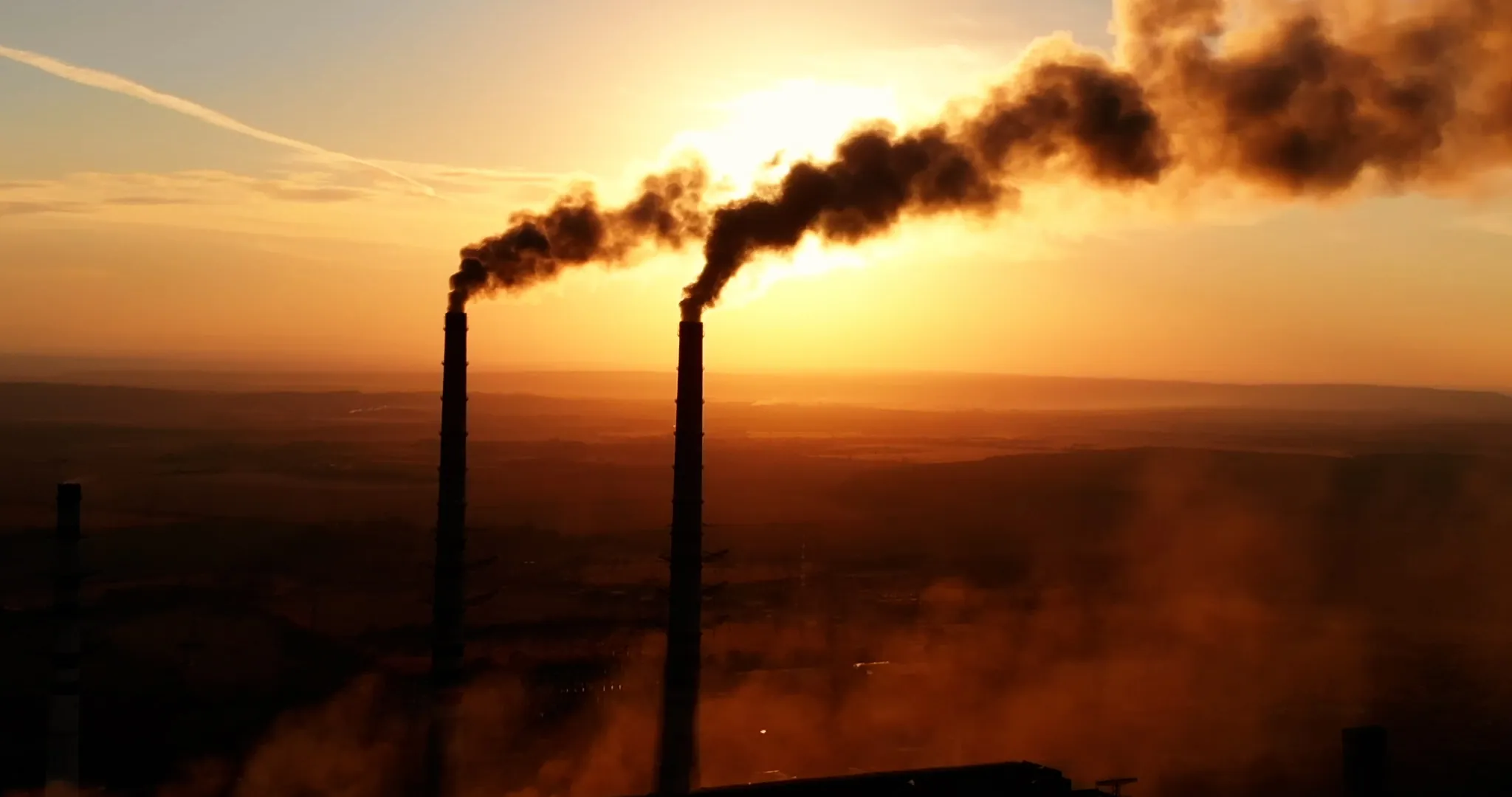
What Is Flue Gas Treatment and Why Is It So Critical?
Flue gas treatment is an emission control process applied across a very wide range of industries, from coal and lignite power plants to cement kilns, and from waste incineration plants to glass and iron-steel factories. During combustion, the sulphur, chlorine, fluorine and nitrogen compounds contained in the fuel are oxidised into acidic gases, while fly ash, carbon residues and heavy metal aerosols become entrained in the gas stream. When no treatment is applied, these components become a primary trigger of acid rain, particulate pollution, ozone layer damage and respiratory diseases.
In Türkiye, under Annex 5 of the Regulation on the Control of Industrial Air Pollution (SKHKKY), a limit of 1700 mg/Nm³ SO₂ (based on 3% oxygen in the flue gas) is set for large combustion plants using liquid fuel, and a limit of 2000 mg/Nm³ SO₂ for solid-fuel plants with a thermal capacity below 50 MW. On the European Union side, the Industrial Emissions Directive (IED) and the Best Available Techniques (BAT) reference documents push these values even lower for most processes.
In addition, mechanisms such as emissions trading and the Carbon Border Adjustment Mechanism (CBAM) compel exporting industrial plants to take a stricter approach to emission control.
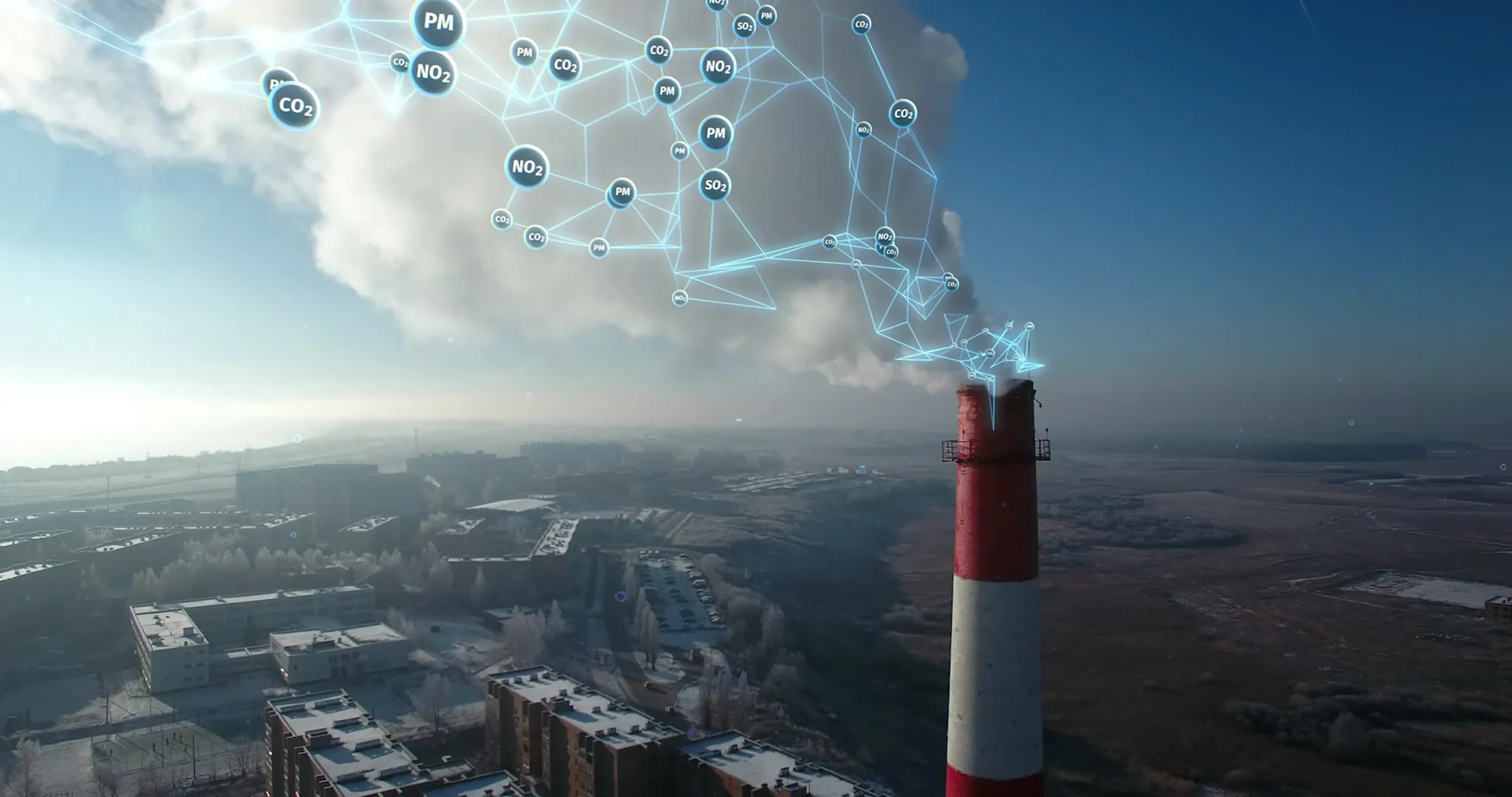
Which Pollutants Are Controlled in Flue Gas?
Flue gas measurement and treatment systems target several parameters simultaneously, depending on the plant type. The main components monitored in standard emission measurement are:
- Sulphur dioxide (SO₂): The main problematic emission in the combustion of high-sulphur fuels such as coal, fuel oil and petcoke.
- HCl and HF: Seen intensively especially in the waste incineration, glass and ceramics sectors, and cause serious corrosion problems.
- Nitrogen oxides (NOx): Formed at high combustion temperatures; both thermal and fuel-derived.
- Particulate matter (dust, PM): Contains fly ash, carbon residues and metal particles; captured with an electrostatic precipitator or bag filter.
- Heavy metals and dioxins/furans: Of critical importance especially in waste incineration, metal smelting and sludge incineration plants.
Each pollutant is controlled at a different treatment stage; a typical modern flue gas treatment line consists of a combination of particulate control, acid gas neutralisation, NOx reduction and heavy metal/dioxin capture steps.
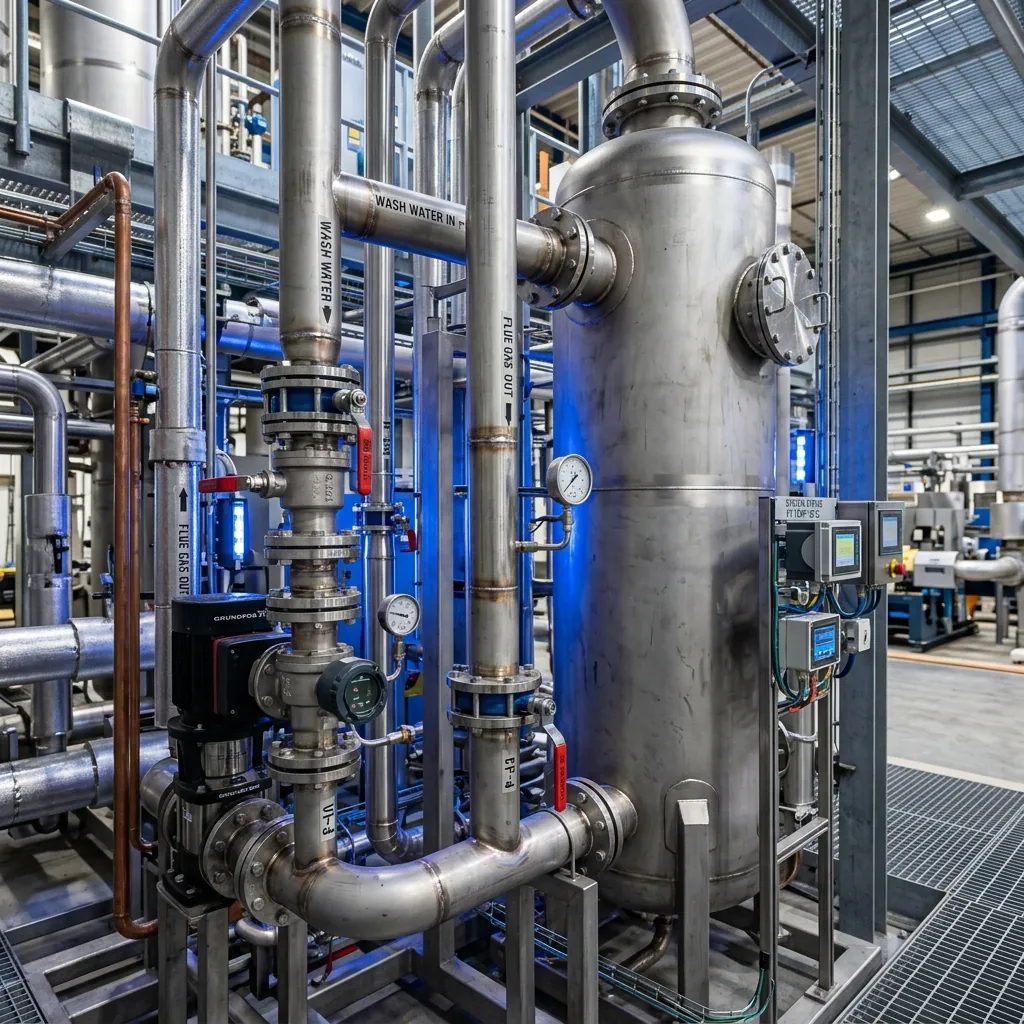


Comprehensive Solutions in
Core Treatment Technologies
With emission control systems designed specifically for your plant's needs, we ensure full compliance with statutory limit values while delivering high-performance, low-cost and lasting solutions.
Wet FGD (Wet Scrubber)
Achieves 95-99% SO₂ removal with limestone or milk of lime, producing industrial-grade pure gypsum as a by-product.
Semi-Dry (SDA)
A lime slurry is atomised into the flue gas, providing efficient neutralisation without any wastewater discharge.
- check_circle Dry Sorbent Injection (DSI)
- check_circle Low Investment Costs
- check_circle Heavy Metal and Dioxin Control
- check_circle Operational Sustainability
The Role of Lime-Based Solutions in Flue Gas Treatment
Lime is the chemical backbone of flue gas treatment systems. In wet, semi-dry and dry processes alike, the neutralisation of acidic gases (SO₂, HCl, HF) relies directly on calcium-based reagents.
- Hydrated Lime (Ca(OH)₂): The main reagent of dry sorbent injection and SDA systems. Its high BET surface area (typically >20 m²/g) maximises the reaction rate.
- Quicklime (CaO): Used to prepare milk of lime in wet FGD plants. It also meets the high alkalinity requirement in integrated lines.
- Acid Gas Remover (Special Formula): Used in plants with fluctuating and high acidic loads such as waste incineration and biomass. When dosed together with activated carbon, it also contributes to the removal of dioxins, furans and mercury.
Technical Points to Consider in Practice
Treatment performance depends not only on the chemical purity of the reagent but also on its physical properties and the process parameters:
| Criterion | Optimum Value / Role |
|---|---|
| Reagent Surface Area | BET surface area of 20 m²/g and above (ideal for dry systems). |
| Stoichiometric Ratio | Dry: 1.8 - 2.5 | Semi-Dry: 1.3 - 1.8 |
| Flue Gas Temperature | 140-180 °C for spray drying. At low temperatures there is a risk of acid condensation. |
| Filter Integration | In bag filters, the cake layer provides 10-20% additional removal. |
Moreover, as of 2026, Türkiye's alignment process with the European Green Deal has increased the pressure to bring SO₂, HCl and dust limit values down to BAT reference levels in cement, iron-steel, glass, waste incineration and large combustion plants. Best practice examples include the use of high surface area lime and real-time dosing optimisation integrated with CEMS.