



Why Is Humidity a Critical Parameter in Industrial Facilities?
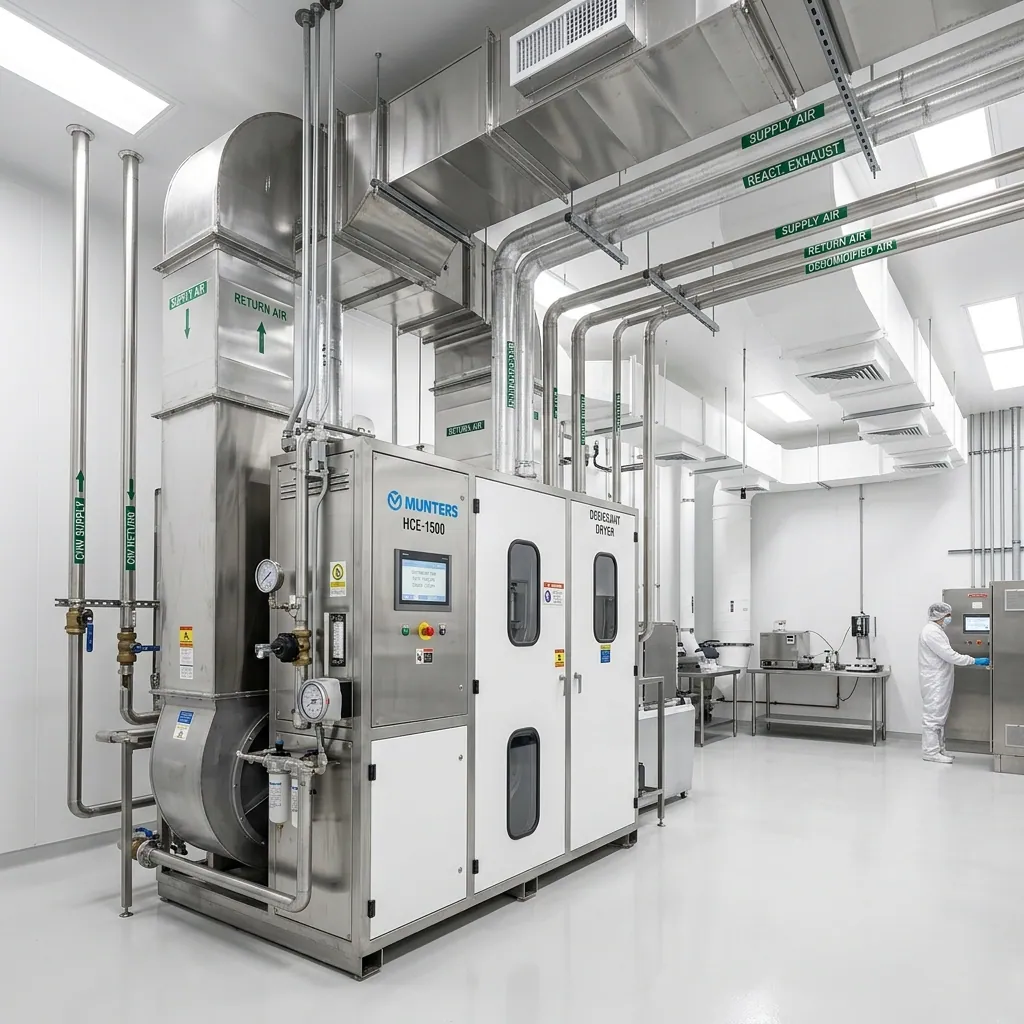
Industrial humidity control is provided by three main methods: mechanical (refrigerated), adsorption and chemical (desiccant). The right choice varies according to the ambient temperature, the target relative humidity level, the energy cost and the volume of air to be treated.
In most modern facilities, these methods are used together as complements to one another. A hybrid system design offers a balanced profile in terms of both CAPEX and OPEX.
Refrigerated dehumidifiers condense the air by cooling it below the dew point; they are energy-efficient in environments above 15 °C but remain inadequate at low temperatures due to the risk of icing. The packaging lines of food factories and medium-scale warehouses are typical application areas of this method.

Key Moisture-Related Problems and Process Effects
Uncontrolled moisture triggers a series of problems that appear different from one another but stem from the same root.
The results most frequently encountered in the field can be summarized as follows: Atmospheric corrosion: Rust formation on steel structures, bearings, electrical panels and hydraulic equipment progresses rapidly, especially in port and coastal areas where salty air is present.
Mold and microbiological deterioration: Fungal and bacterial growth in wood, paper, textiles, food products and leather goods leads to product returns and loss of reputation. Caking and flow problems: In hygroscopic powders such as cement, fertilizer, milk powder, sugar and salt, bridging inside silos and clogging in the discharge lines occur.


High Performance at
Industry Standard
We offer premium solutions to guarantee quality and maximise operational efficiency in Industrial Humidity and Moisture Control processes.
Strong Quality Control
High-purity, reliable results in compliance with international standards.
Sustainability
Energy-efficient, environmentally friendly processes that minimise the environmental footprint.
- check_circle 100% Regulatory Compliance
- check_circle Low Operating Cost
- check_circle Expert Engineering Support
- check_circle 24/7 Uninterrupted Supply Network
Main Methods Used in Industrial Humidity Control
Industrial humidity control is provided by three main methods: mechanical (refrigerated), adsorption and chemical (desiccant). The right choice varies according to the ambient temperature, the target relative humidity level, the energy cost and the volume of air to be treated.
In most modern facilities, these methods are used together as complements to one another. A hybrid system design offers a balanced profile in terms of both CAPEX and OPEX.
Refrigerated dehumidifiers condense the air by cooling it below the dew point; they are energy-efficient in environments above 15 °C but remain inadequate at low temperatures due to the risk of icing. The packaging lines of food factories and medium-scale warehouses are typical application areas of this method.
The Role of Lime-Based Solutions in Humidity Control
Lime-based products offer a passive but high-capacity solution in industrial humidity control.
The main advantage is that they permanently bind water through a chemical reaction rather than merely adsorbing it physically.
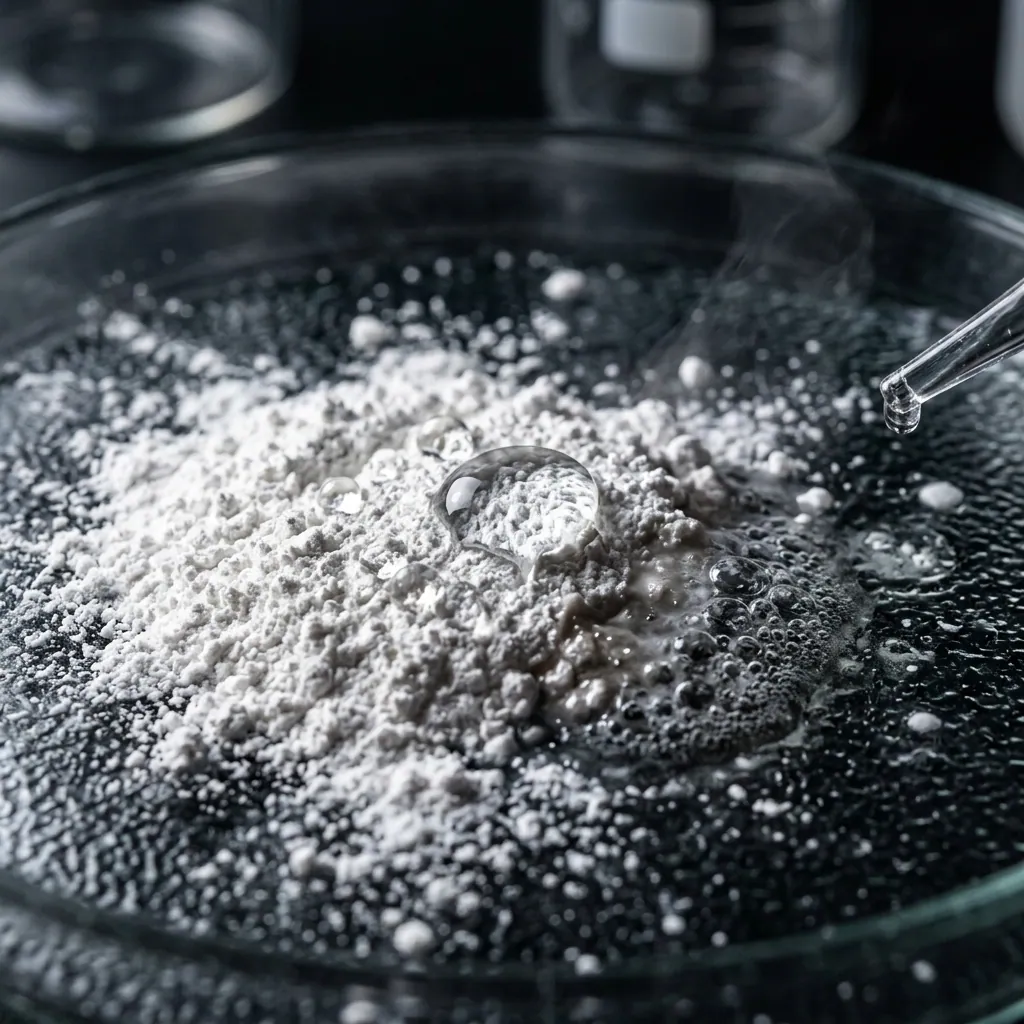
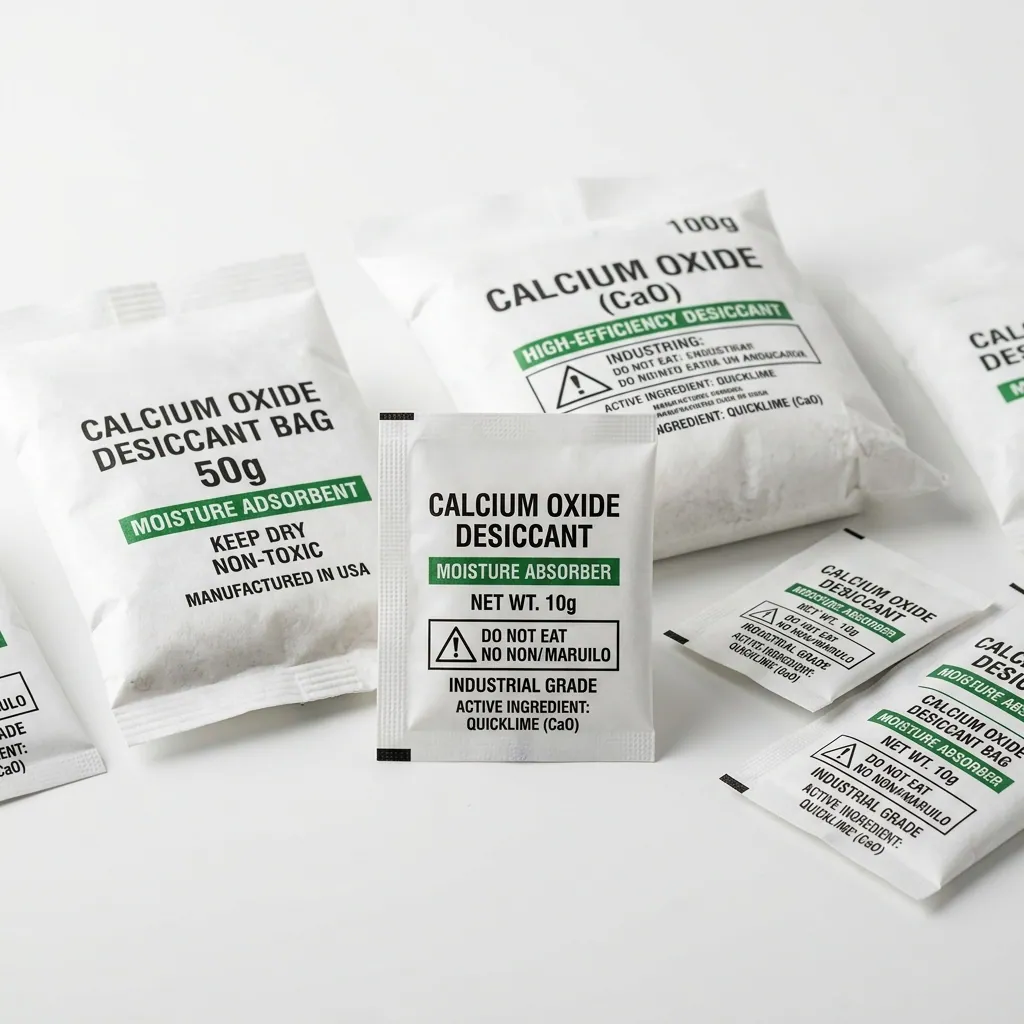
The reaction of quicklime with water is as follows: CaO + H₂O → Ca(OH)₂ + heat. In this reaction, quicklime (CaO / calcium oxide) can bind approximately 28-32% of its own weight in water, and this value exceeds the adsorption capacity of the same weight of silica gel. The reaction is irreversible; that is, even if the relative humidity rises afterward, CaO does not release the water back. This property is critically important especially in environments where relative humidity fluctuates suddenly, such as the interior of containers, bonded warehouses, ammunition depots, archives and museums.
Technical Points to Consider in Application
When designing a humidity control project, not only equipment capacity but also desiccant selection, positioning and the monitoring strategy play a decisive role.
Among the most frequent mistakes in the field are using the wrong quantity of desiccant, damage to the packaging during transport, and placing the humidity meter in a blind spot.
The basic checklist can be summarized as follows: Target relative humidity: A clear target value in the 30-60% range should be set according to the product or process; in sensitive applications, the tolerance should not exceed ±5 points. Desiccant quantity: A starting dosage of 80-120 g of CaO-based desiccant per m³ in the container or warehouse is accepted and increased for hygroscopic loads.

Industrial Approach and Good Practices as of 2026
As of 2026, industrial humidity and moisture control has evolved from the purchase of a single device toward a "total moisture management" approach.
IoT-based temperature-humidity sensors, lime-based passive desiccants and energy-efficient rotary dehumidifiers are often used together in the same facility.
This hybrid approach both reduces operating costs and continues to protect the product in exceptional situations such as a power outage, a chiller failure or a transport delay. One of the prominent trends in this period is the rapid increase in the share of DMF-compliant, calcium-based desiccants in the pharmaceutical and food sectors. On the regulatory side, the relevant industry reports should be consulted; in particular, the EU GMP Annex 1 updates are expanding the relative humidity monitoring requirements in pharmaceutical warehouses.