


What Is Landscaping and Environmental Design?
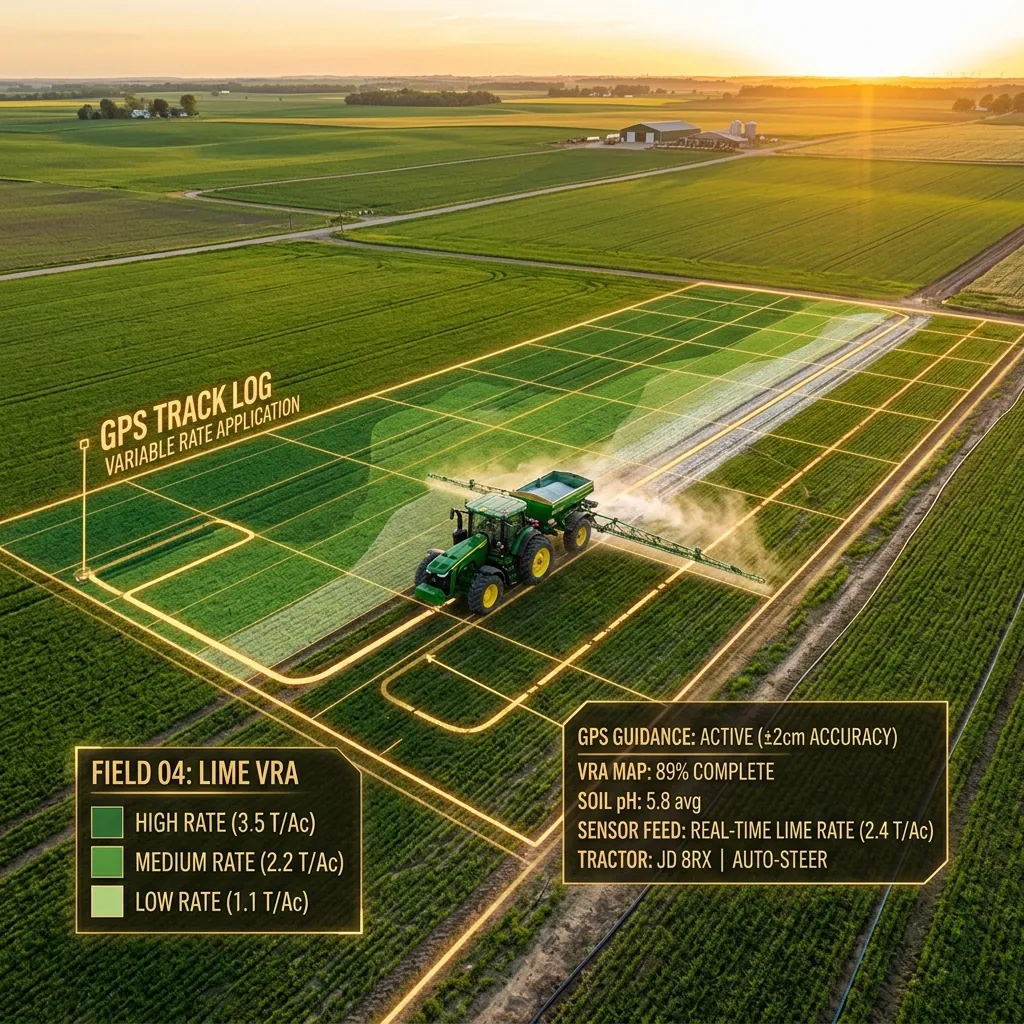
Landscaping and environmental design is the process of designing and implementing a piece of land taking into account its topography, climate, soil structure and intended use.
The concept covers a wide range of applications, from private garden design to urban parks, and from roadside afforestation to the landscaping of industrial facilities.
The Turkish Standards Institution and local zoning regulations set a framework for public landscaping projects on subjects such as ground bearing capacity, stormwater management and vegetation selection. The success of a landscaping project depends, in addition to the visual design, on the engineering preparations made beneath the ground. Inadequate drainage, a soil pH unsuitable for the plants, or incomplete soil stabilization can render the project nonfunctional within 2-3 years.

Landscaping Project Stages and Fundamental Components
A landscaping application generally consists of the following sequential stages, each requiring a different material and technical approach: Survey and analysis: The slope, drainage, existing vegetation and soil analysis of the land are carried out. Design and planning: Functional zones, circulation routes and the planting plan are drawn up.
Ground preparation: Excavation, leveling, fill and, where necessary, soil stabilization are applied. Infrastructure works: Drainage, irrigation, lighting and retaining walls are built.
Surfacing works: Pedestrian paths, seating areas, curbs and gravel fills are completed. Planting: Trees, shrubs, grass and seasonal plants are planted. Maintenance and monitoring: The first 2 years are closely followed as the critical adaptation period.

High Performance at
Industry Standard
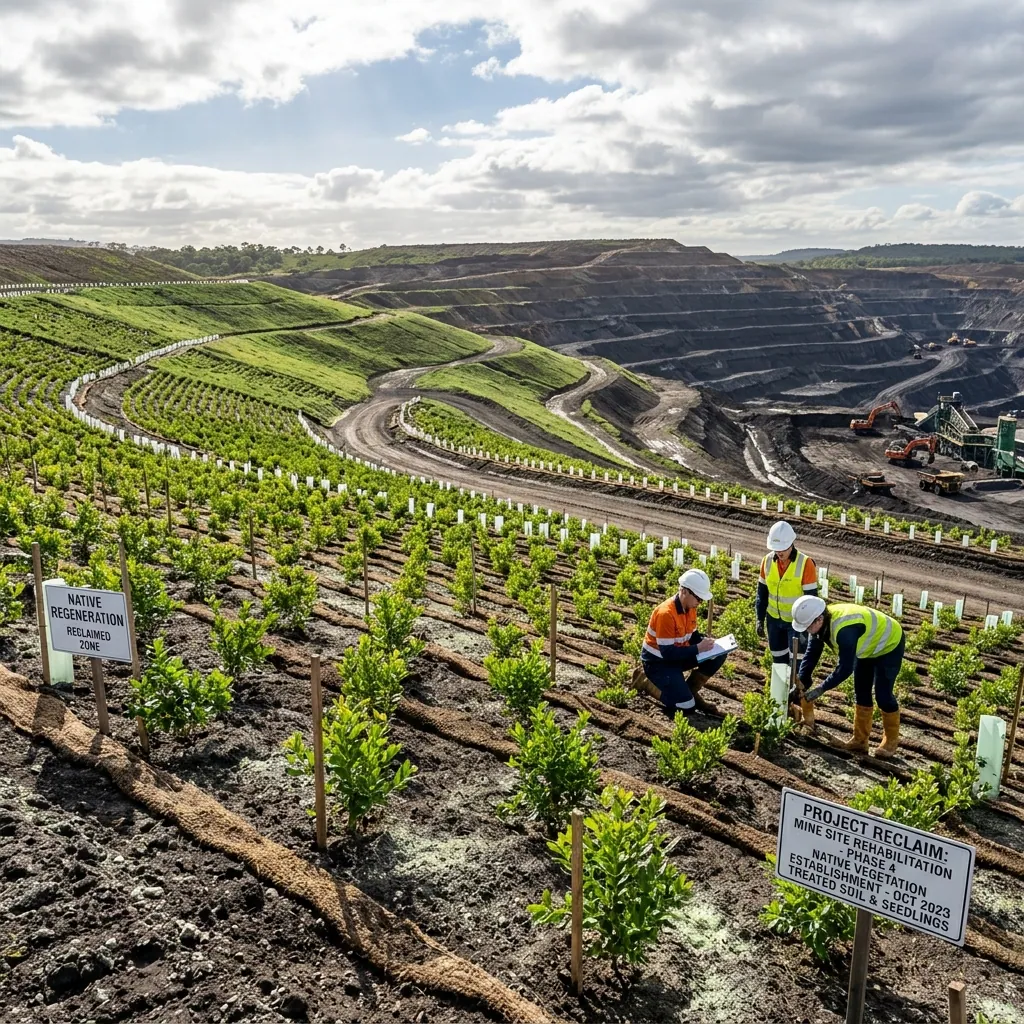
We offer premium solutions to guarantee quality and maximise operational efficiency in Landscaping and Environmental Design processes.
Strong Quality Control
High-purity, reliable results in compliance with international standards.
Sustainability
Energy-efficient, environmentally friendly processes that minimise the environmental footprint.
- check_circle 100% Regulatory Compliance
- check_circle Low Operating Cost
- check_circle Expert Engineering Support
- check_circle 24/7 Uninterrupted Supply Network
The Role of Lime- and Aggregate-Based Solutions in Landscaping and Environmental Design
In landscaping applications, limestone-based products are used at many different points, from ground infrastructure to decorative surfacing and from soil improvement to tree care.
The following table summarizes the main product-application matching: Limestone-based aggregate is the most widely used material in landscaping.
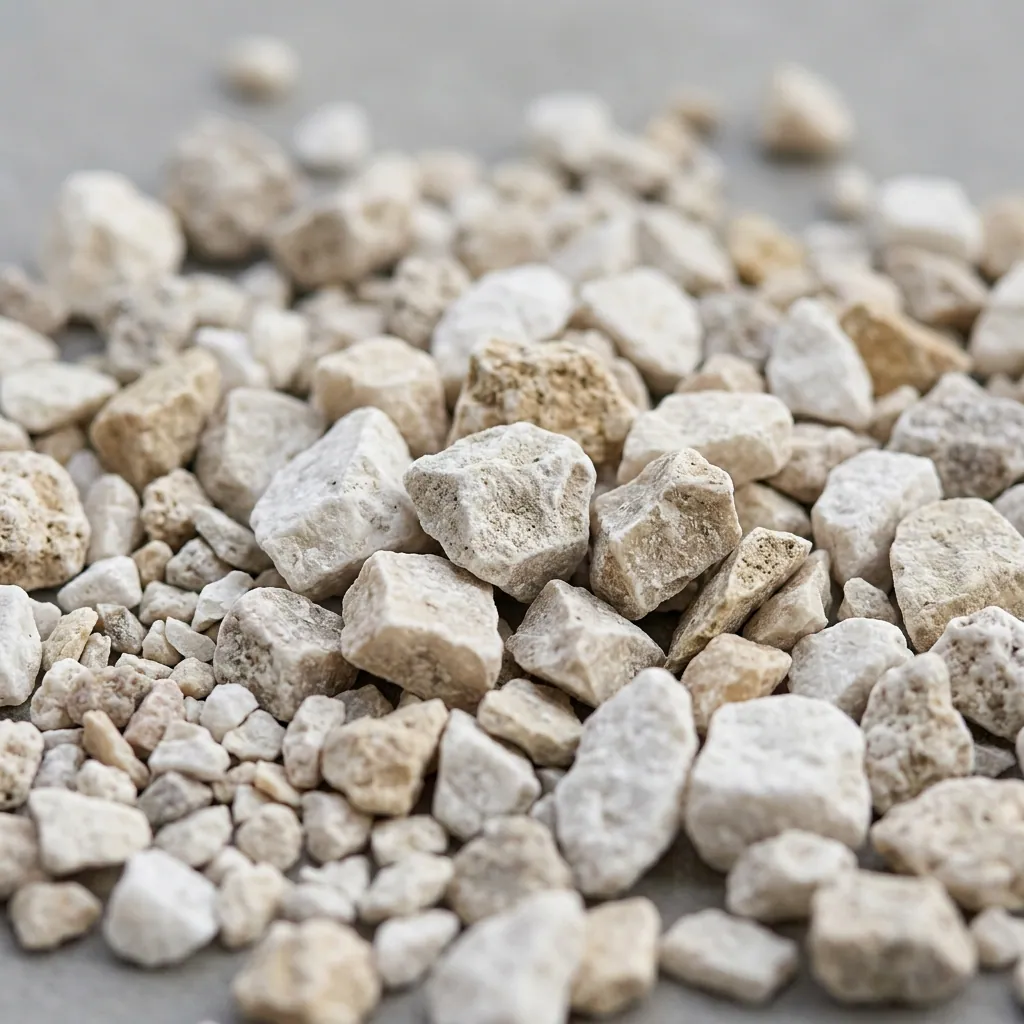
In the sub-bases of pedestrian and bicycle paths, limestone aggregate with a grain distribution of generally 0/63 mm or 0/45 mm is laid compacted at a thickness of 15-25 cm. This layer both distributes the load and serves a drainage function. For decorative purposes, white-cream-toned limestone chippings in the 8/16 mm or 16/32 mm range are frequently preferred at tree bases, in dry creek designs and in gravel gardens.
Soil Preparation and pH Management
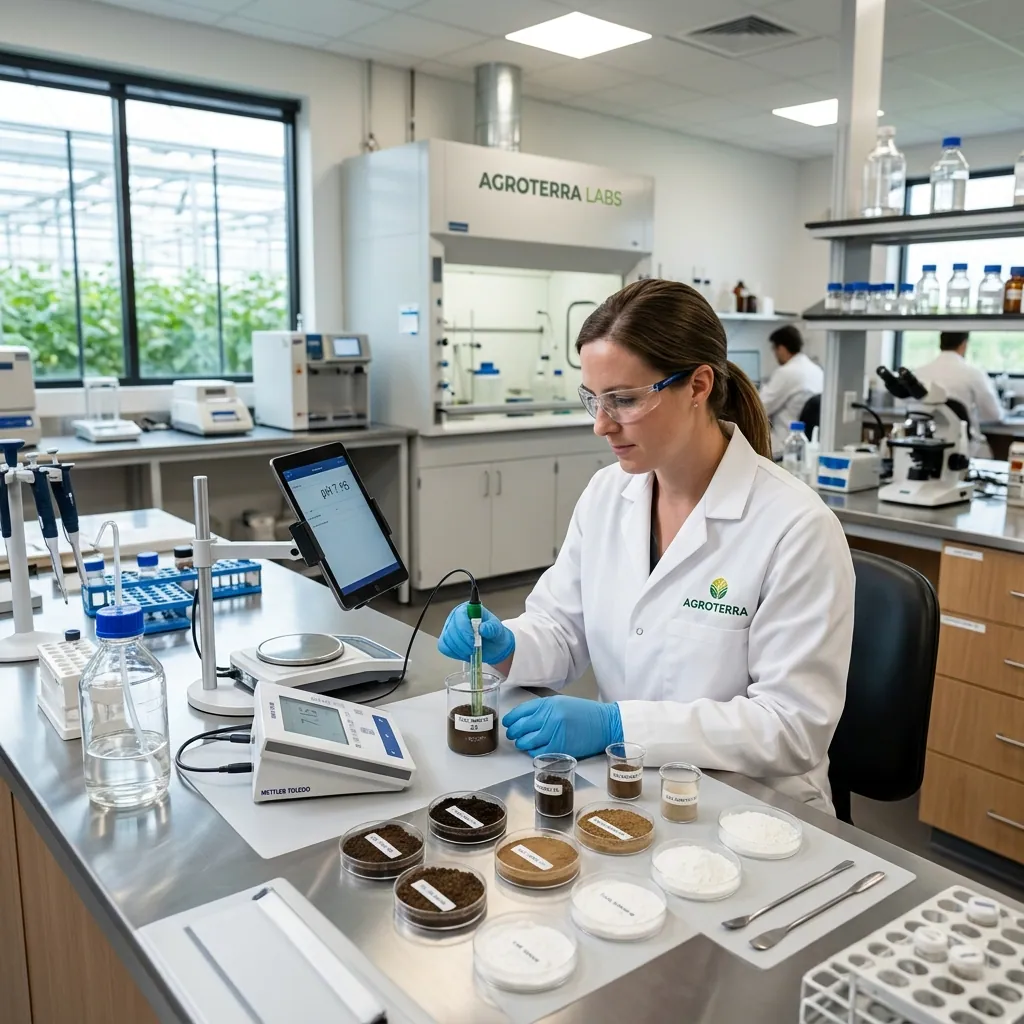
The invisible foundation of a successful landscaping project is soil chemistry. Three fundamental parameters are examined in soil analysis: pH, organic matter content and lime requirement.
A pH range of 6.0-7.5 is considered optimal for most landscape plants. In soils outside this range, the availability of nutrients decreases; for example, below pH 5.5 phosphorus, magnesium and boron cannot adequately reach the plants, resulting in color fading and stunted growth.
When carrying out a liming application, the following technical points should be observed: The application should be done at least 2-4 weeks before planting or sowing. Hydrated lime should be distributed evenly and immediately mixed into the soil. Overdosing can lead to micronutrient deficiency; application should not be done without analysis.

Technical Points to Consider in Application
Frequent mistakes in landscaping applications are an inadequate drainage solution, an unsuitable aggregate grain distribution, and carrying out liming without soil analysis.
The aggregate used in the drainage layer must be free of fine dust (washed); otherwise the dust leads to clogging over time and the permeability of the layer is lost.
Under curbs and in small foundations, the 0/22 mm range is more suitable because both compaction and stability are achieved in a balanced way with this grain distribution. When quicklime is used during soil stabilization, operators must use a dust mask, protective goggles and gloves; the material gives an exothermic reaction when it comes into contact with water and reaches a high temperature. After application, a curing period of at least 24-48 hours should be allowed before the top surfacing is laid.
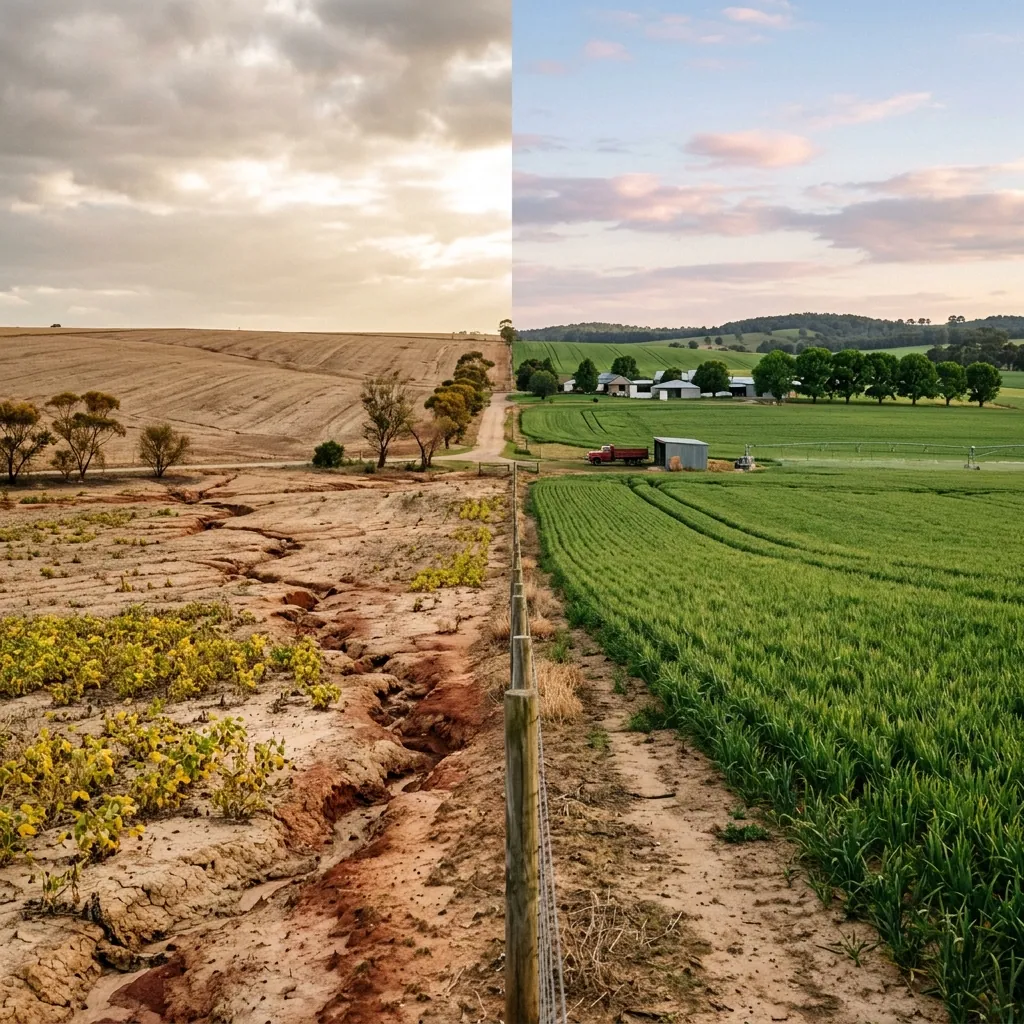
Sustainable Landscaping Approach as of 2026
In recent years, climate change, water scarcity and the high maintenance cost of lawn areas have brought the "xeriscape" (dry garden) and "gravel garden" approaches to the fore in landscape design.
In these designs, natural stone, limestone aggregate and drought-resistant plants are preferred instead of large green areas.
The result, in some applications, is water savings of 40-70% and a markedly reduced maintenance workload. The sustainability approach also values the use of local resources. Limestone aggregate extracted from the region reduces transport-related carbon emissions and provides visual harmony with the local geology.