

What Is Soil Improvement and Stabilization?
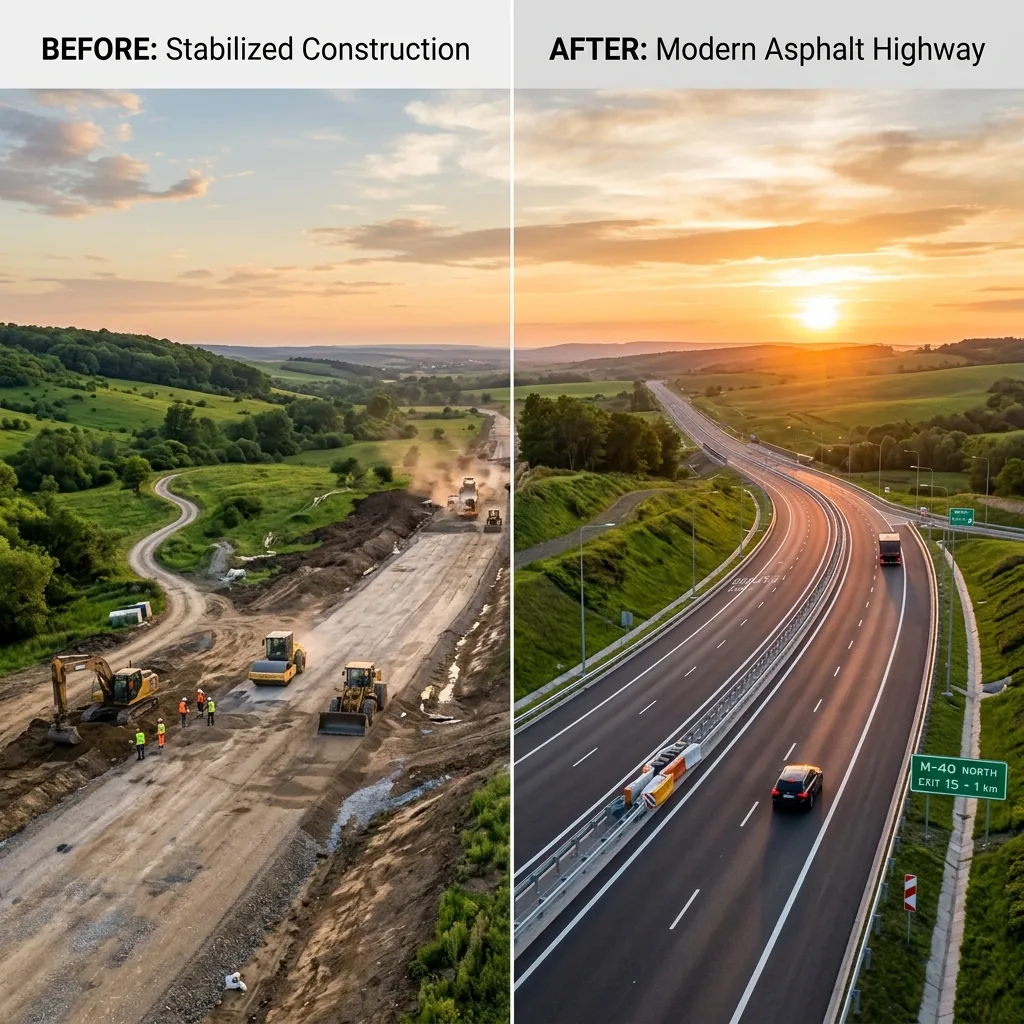
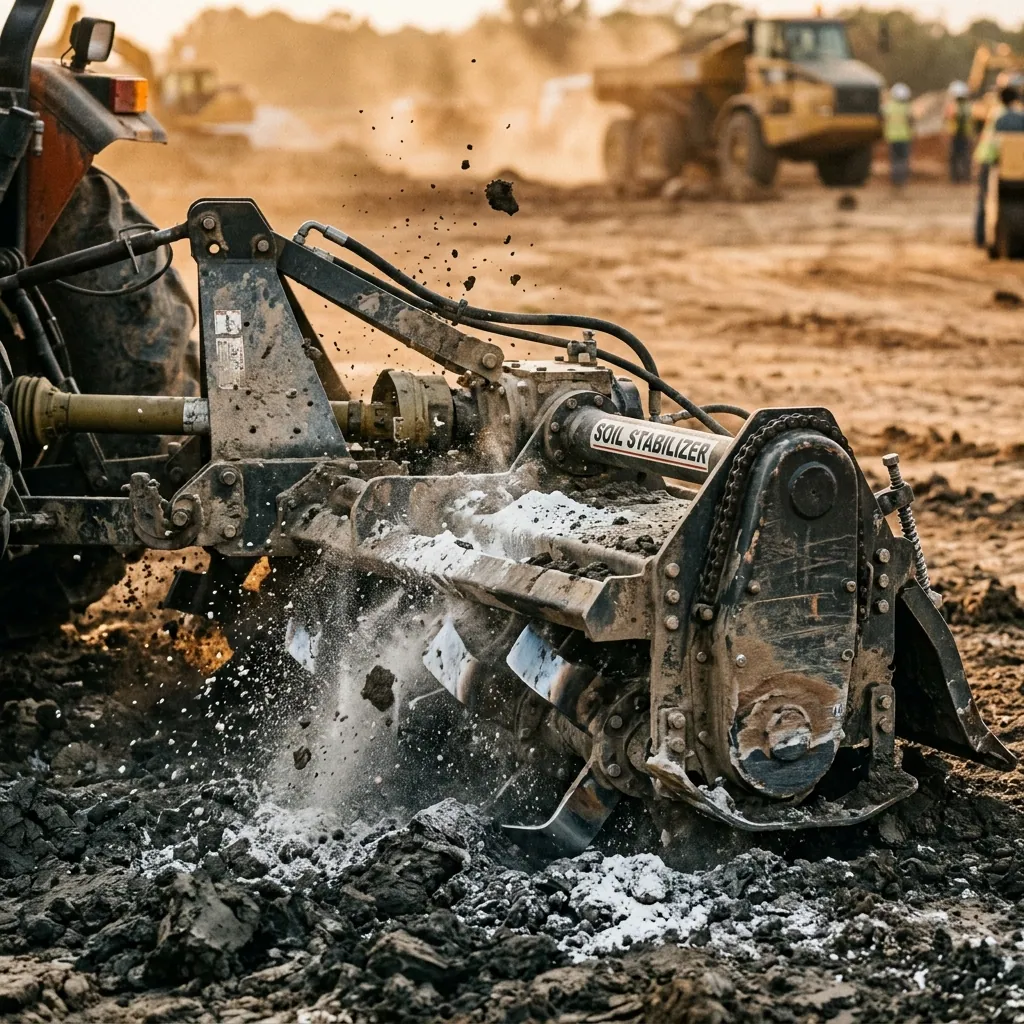
Soil improvement is the process of increasing engineering performance by altering the physical and chemical properties of the existing soil.
The term improvement describes interventions made to raise the bearing capacity of the soil in the short term and generally provides the temporary strength required for site operations.
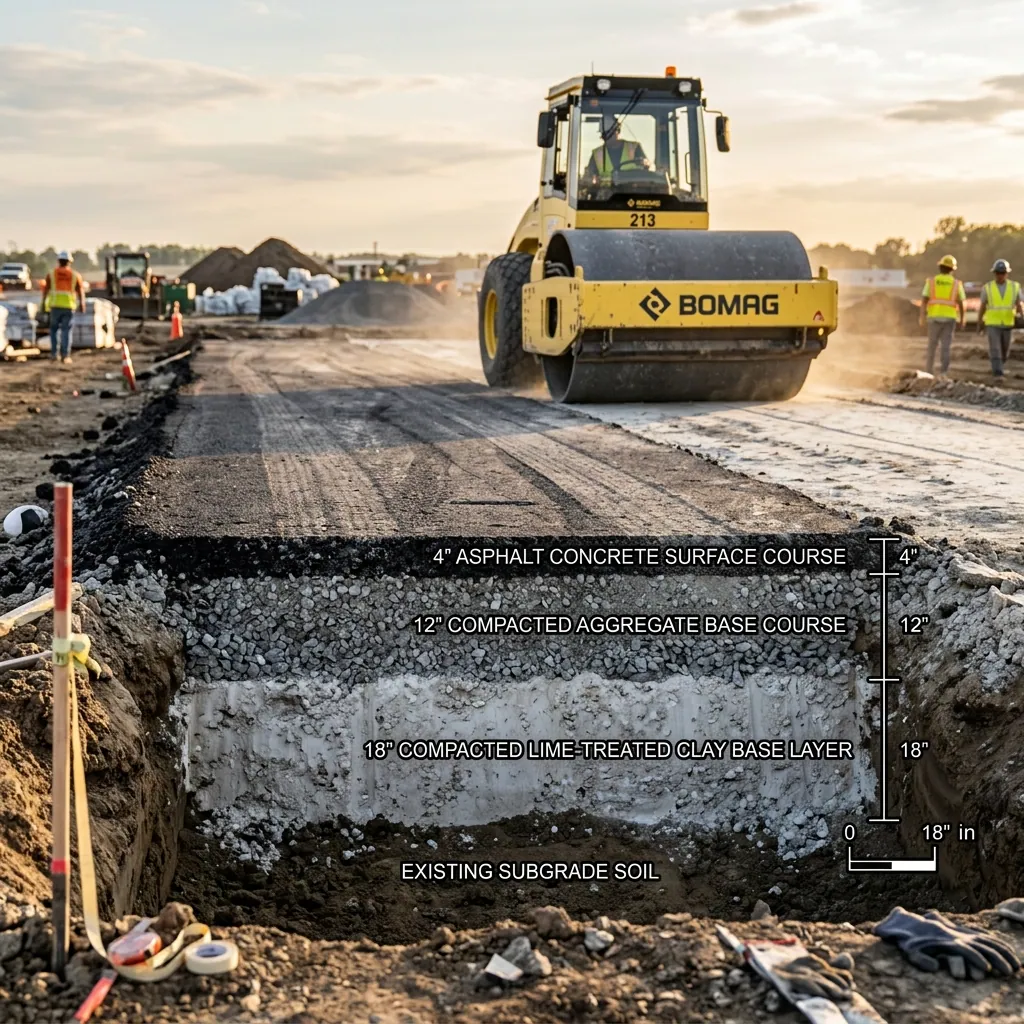
Stabilization, on the other hand, aims for a permanent, long-term increase in strength and forms a structural layer beneath the pavement. The TS EN 14227-11 standard classifies these two types of application separately for lime-treated soils and defines their mechanical performance criteria. Stabilization methods are addressed in three main groups: mechanical (compaction, granular fill, geotextile), chemical (lime, cement, fly ash, bitumen) and physical methods (freezing, drainage, electro-osmosis).
Key Problems Encountered in Problematic Soils
High-plasticity clays, silts, organic soils and expansive clayey soils are the most frequently encountered problem groups in the field.
The common feature of these soils is significant volume change linked to water content, low CBR values (generally in the 1-3% band) and a high plasticity index (PI>25).
Expansive clays cause cracks in the pavement, local settlements in road surfaces and differential settlements at foundation level under seasonal changes in water content. From a structural engineering standpoint, five main problems frequently come to the fore in problematic soils: Low bearing capacity and insufficient CBR value; High total settlement with the risk of differential settlement; Swell-shrink behavior and volume change.
High Performance at
Industry Standard
We offer premium solutions to guarantee quality and maximise operational efficiency in Soil Improvement and Stabilization processes.
Strong Quality Control
High-purity, reliable results in compliance with international standards.
Sustainability
Energy-efficient, environmentally friendly processes that minimise the environmental footprint.
- check_circle 100% Regulatory Compliance
- check_circle Low Operating Cost
- check_circle Expert Engineering Support
- check_circle 24/7 Uninterrupted Supply Network
Methods Used in Soil Stabilization
Mechanical stabilization aims to reach an optimum grain distribution by proportionally mixing materials of different granulometry.
Limestone-based aggregate is widely used in these mixtures as sub-base, base and drainage material.
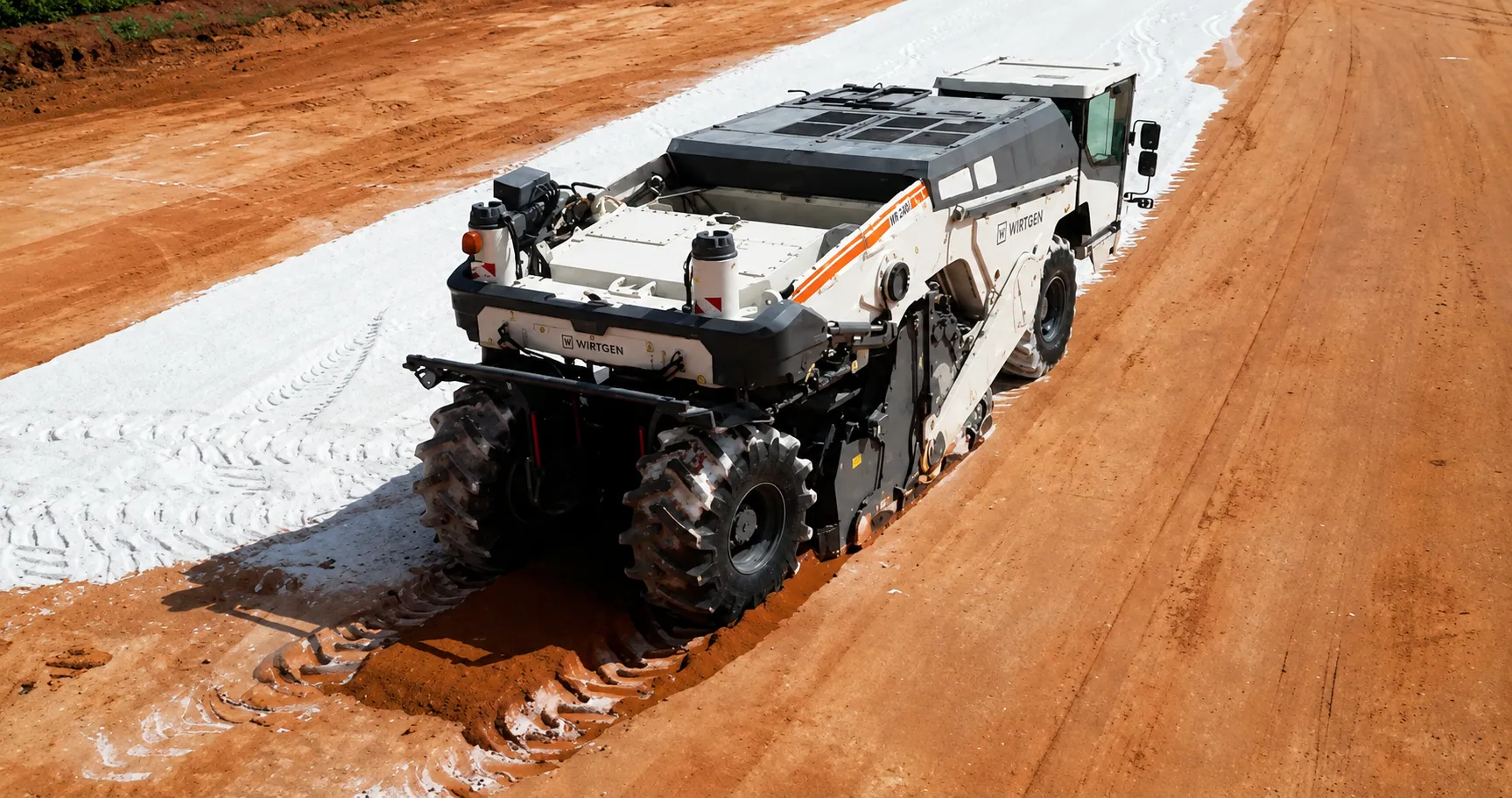
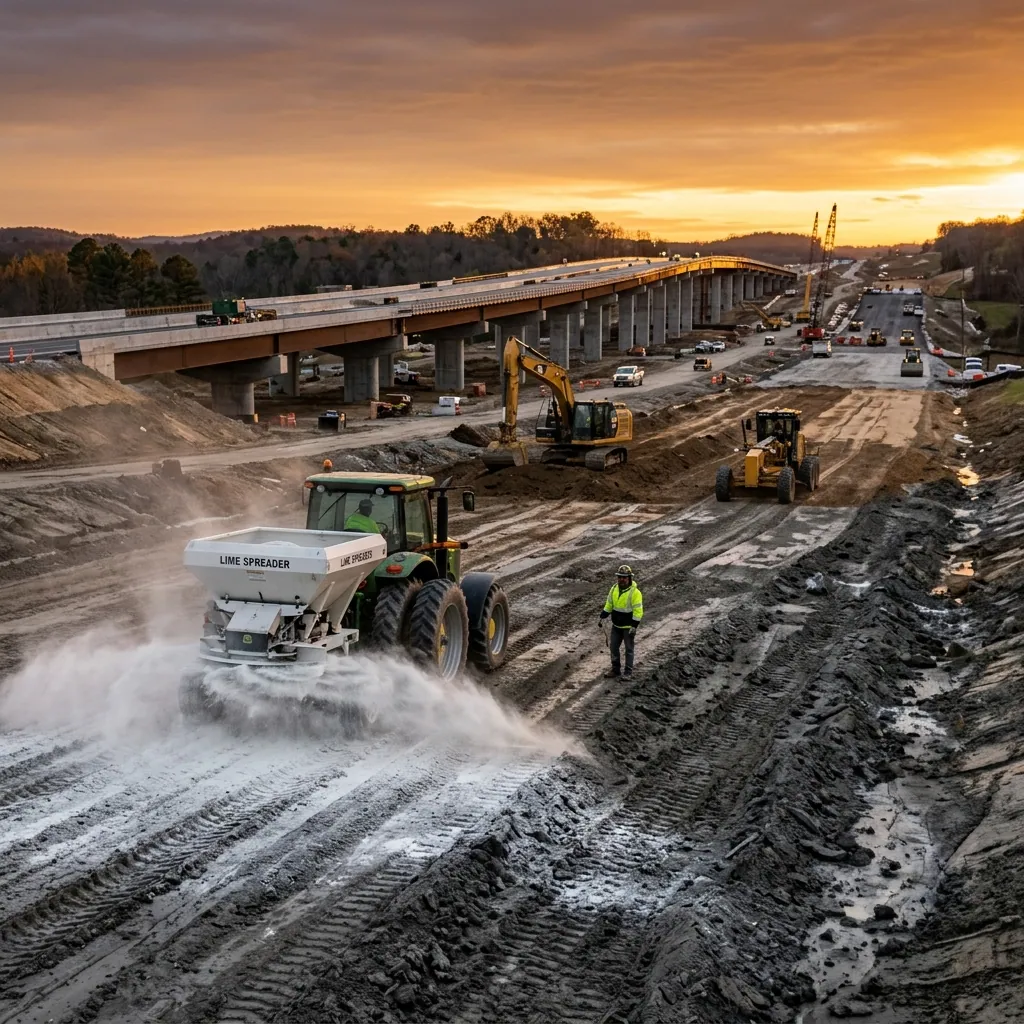
Chemical stabilization, on the other hand, alters the chemical structure by adding binders to the soil in certain proportions and imparts long-term strength. Stabilization with lime stands out as the most economical and most common solution, especially for clayey and silty soils. While cement is preferred in low-plasticity soils (PI<10), lime or a lime-cement combination gives more suitable results for high-plasticity clays.
The Role of Lime-Based Solutions in Soil Stabilization
Lime is an engineering-proven binder with over 100 years of application history in the improvement of clayey soils.
Lime added to the soil triggers a two-stage reaction chain: short-term cation exchange and flocculation, followed by a long-term pozzolanic reaction.
During cation exchange, the Na⁺ and K⁺ ions on the surface of clay minerals are replaced by Ca²⁺; this mechanism causes a rapid drop in the plasticity index, an increase in workability and the soil to flocculate into a more friable structure. The pozzolanic reaction develops over weeks and months, forming calcium silicate hydrate (CSH) and calcium aluminate hydrate (CAH) gels that provide permanent strength. Quicklime (CaO) is the most heavily preferred product in soil stabilization.
Technical Points to Consider in Application
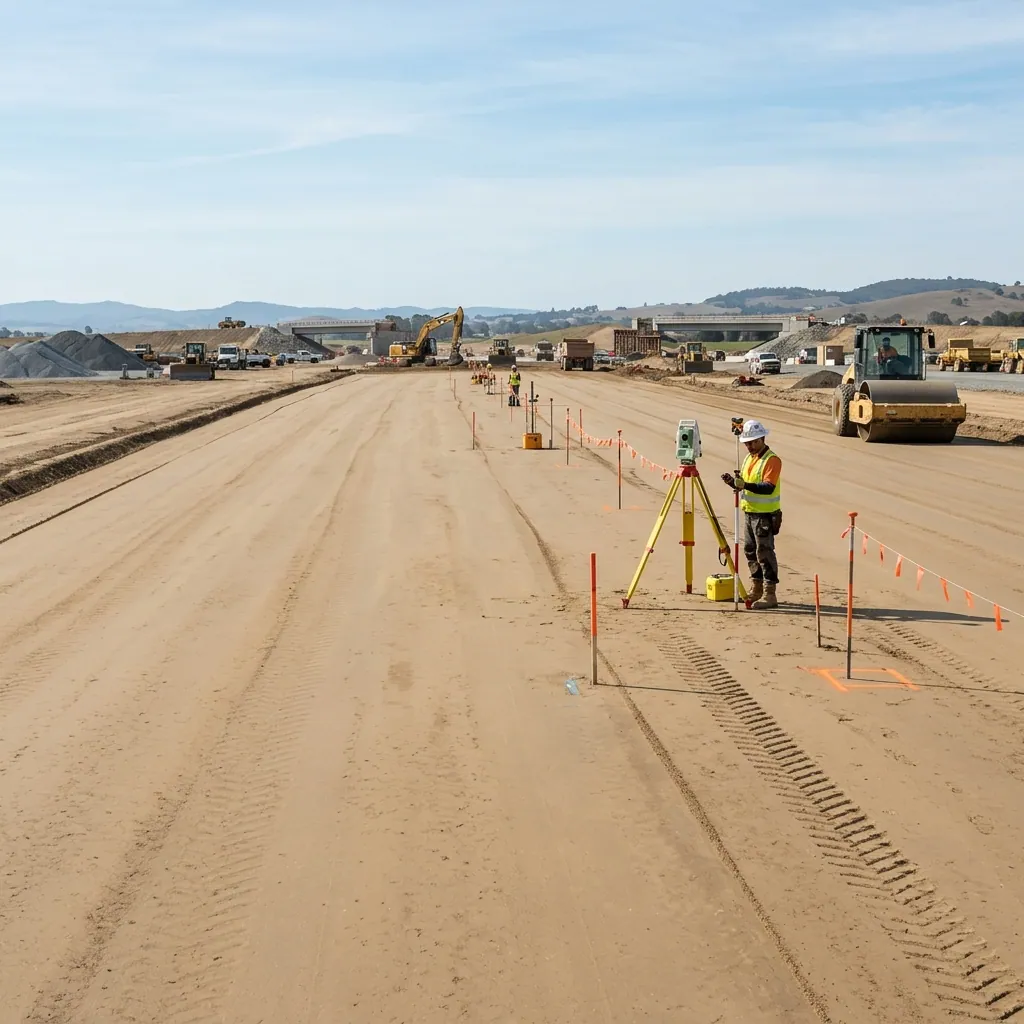
Preliminary assessment is critical for the correct result.
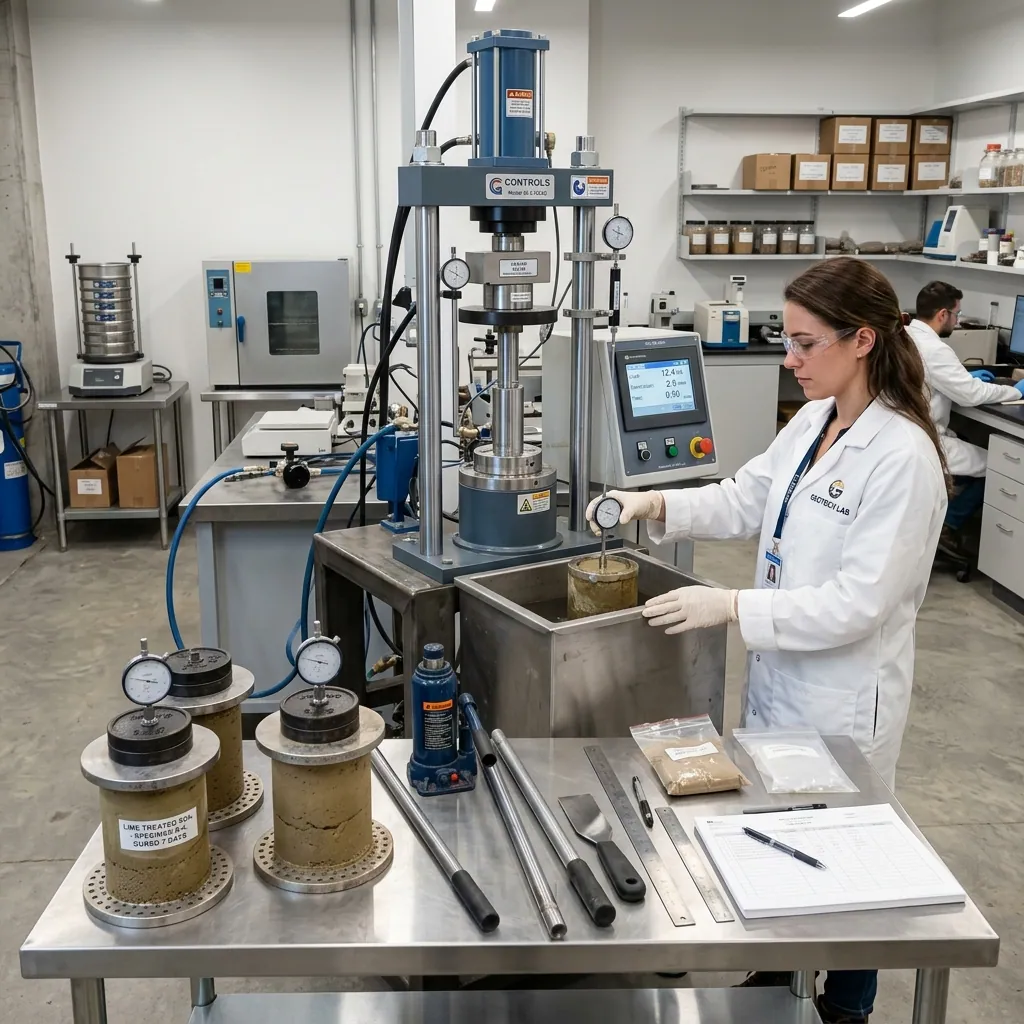
The Eades-Grim test is the reference method for determining the minimum lime dosage the soil will require: lime is added until the 1-hour pH value of the soil-lime-water mixture reaches 12.4.
In soils with an organic matter ratio above 2%, the pozzolanic reaction weakens, so the organic matter content and sulfate amount must be measured before fieldwork. In the presence of high sulfate (>0.3%), the risk of ettringite formation and delayed swelling arises; in this case, a different binder strategy should be considered instead of lime. Mixing homogeneity, curing time and application weather conditions are the other factors that determine success.
Sectoral Approach and Good Practice as of 2026
As of 2026, soil stabilization applications in Europe and Türkiye are being reassessed along both the carbon-footprint-reduction and circular-economy axes.
The "Code of Good Practice – Soil Treatment with Lime" document published by EuLA emphasizes that soil treatment with lime offers a clear carbon advantage over cement-based alternatives.
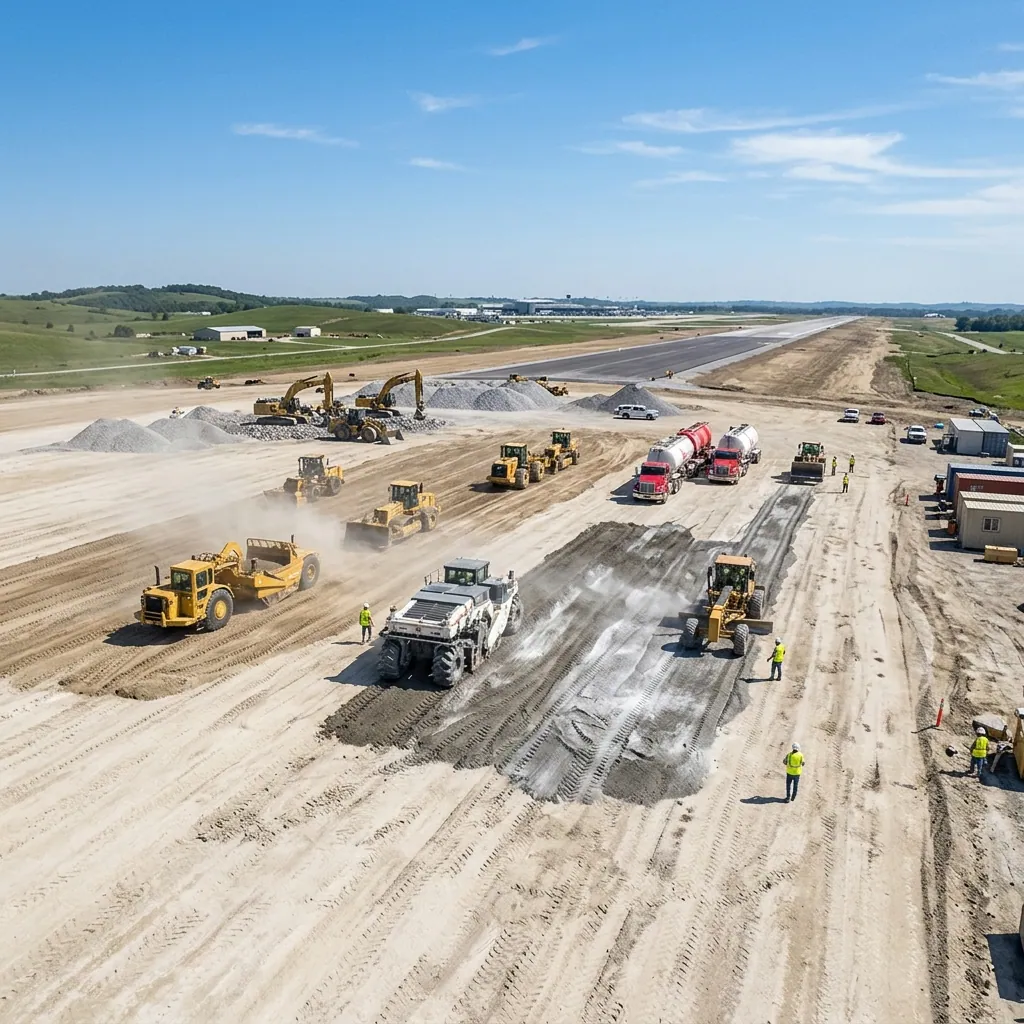
The same approach is followed under TS EN 14227-11 and BS EN 14227-11, and lime-fly ash dual binder systems are increasingly preferred in field applications. In different segments such as motorways, urban arterials, railway infrastructure, wind turbine foundation access roads, airport aprons and logistics warehouse sites, lime-based solutions are used either alone or together with limestone aggregate.