

What Is Water and Wastewater Treatment?
Water and wastewater treatment defines two complementary engineering fields.
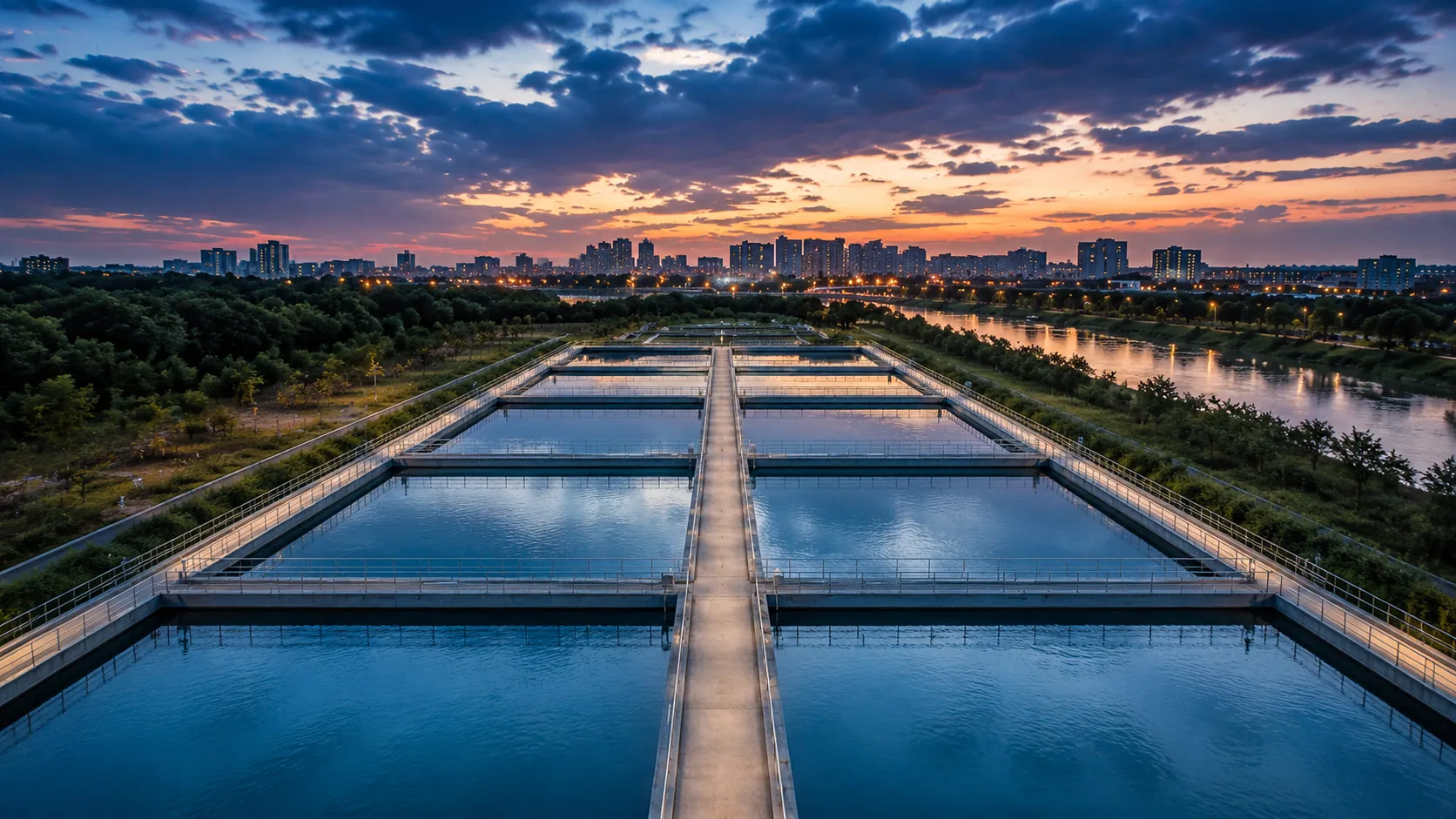
In drinking water treatment, the aim is to free raw water taken from a surface or groundwater source from turbidity, microbiological load, hardness and dissolved contaminants.
In wastewater treatment, the organic matter, suspended solids, nitrogen, phosphorus and heavy metal content of polluted water from domestic and industrial sources is reduced below discharge standards. In both processes, unit operations such as pH control, coagulation, sedimentation, filtration and disinfection work together as an integrated plant. In Türkiye, the Water Pollution Control Regulation (SKKY) and the Urban Wastewater Treatment Regulation define limit values for effluent in terms of biochemical oxygen demand (BOD), chemical oxygen demand (COD), suspended solids (SS), total nitrogen and total phosphorus.
Fundamental Stages of Wastewater Treatment Processes
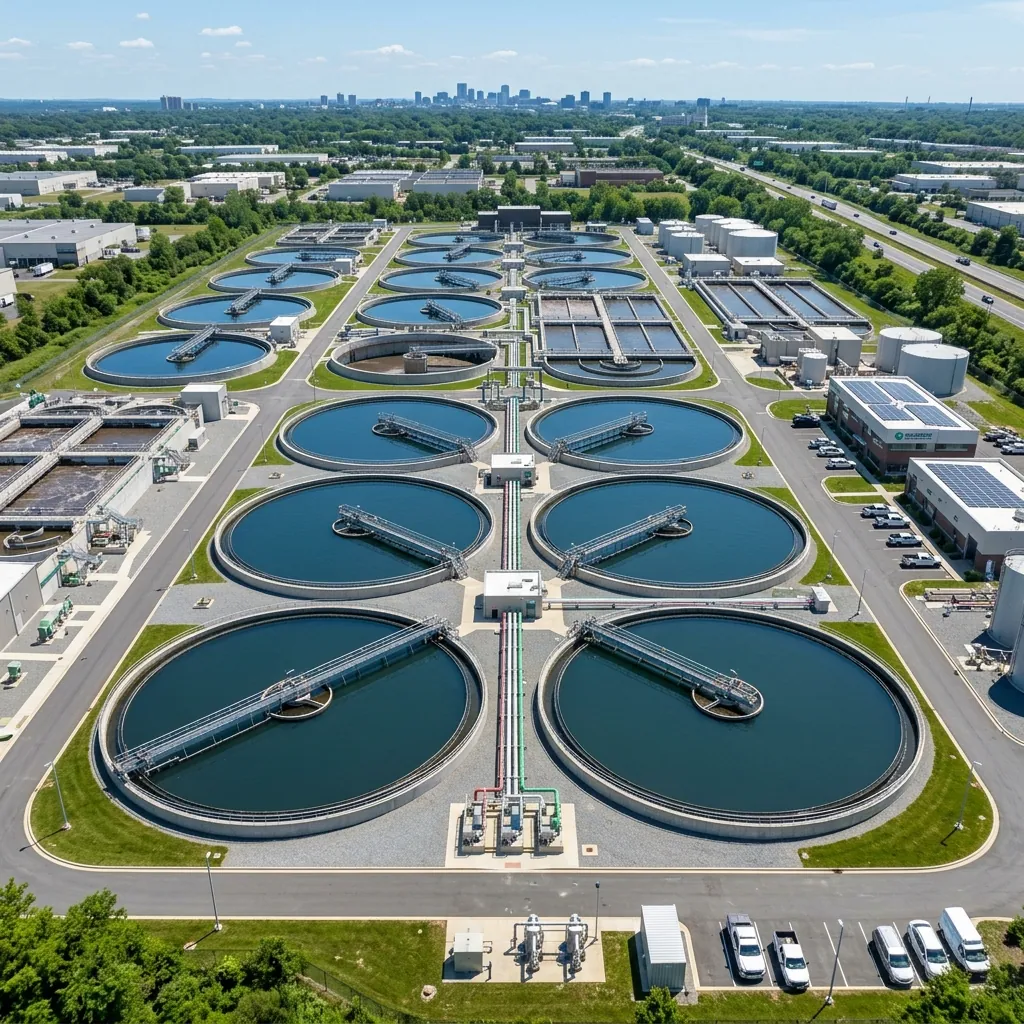
A typical wastewater treatment plant consists of primary (physical), secondary (biological) and tertiary (advanced chemical) stages. The combined operation of these stages enables the sequential removal of different pollutant types and determines the total treatment efficiency.
At each stage, the right equipment, reaction time and chemical dosing are critical. What does primary treatment cover?
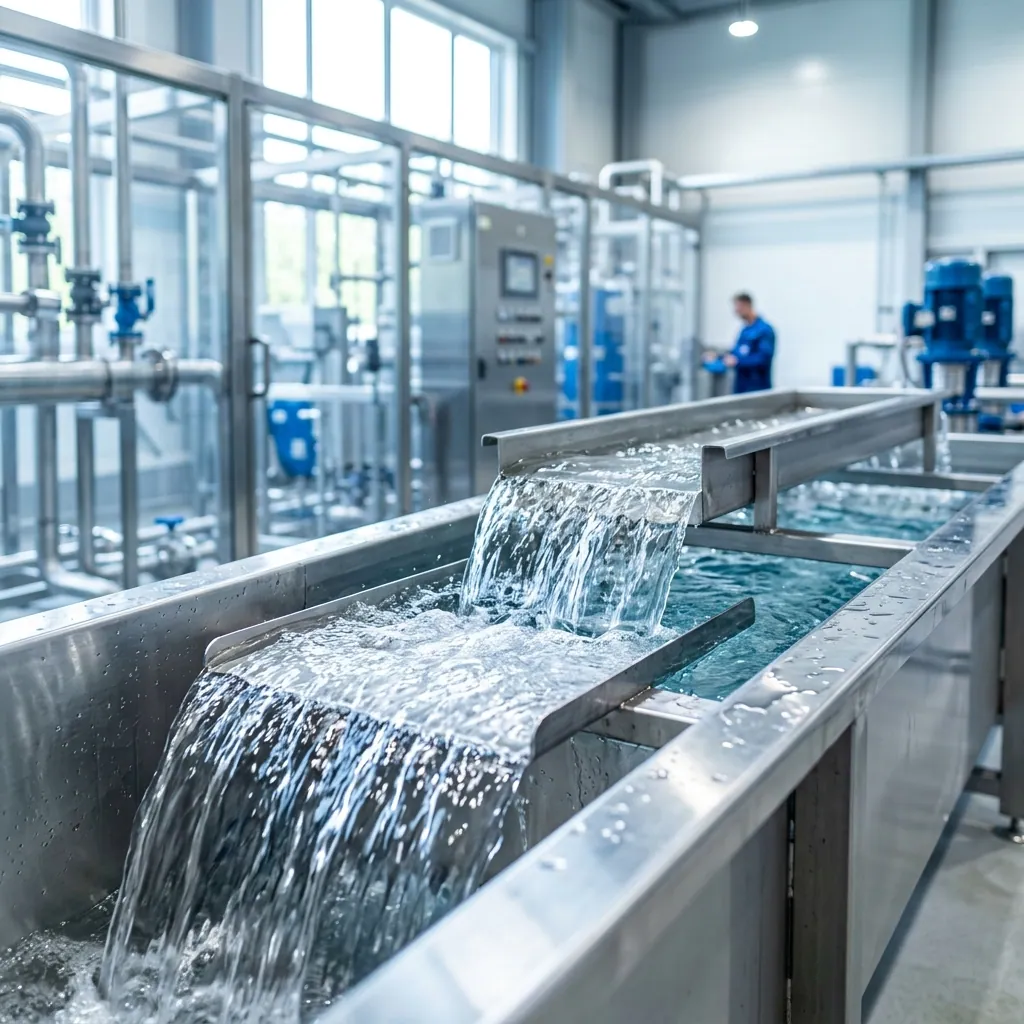
The primary stage includes physical units such as screens, grit chambers, primary settling tanks and flotation. At this stage, coarse solids, grit, oil and grease are removed; approximately 50-70% of suspended solids and 25-40% of BOD is removed. In the flotation process, fine gas bubbles are introduced into the water, carrying particles to the surface where they are skimmed off and removed.
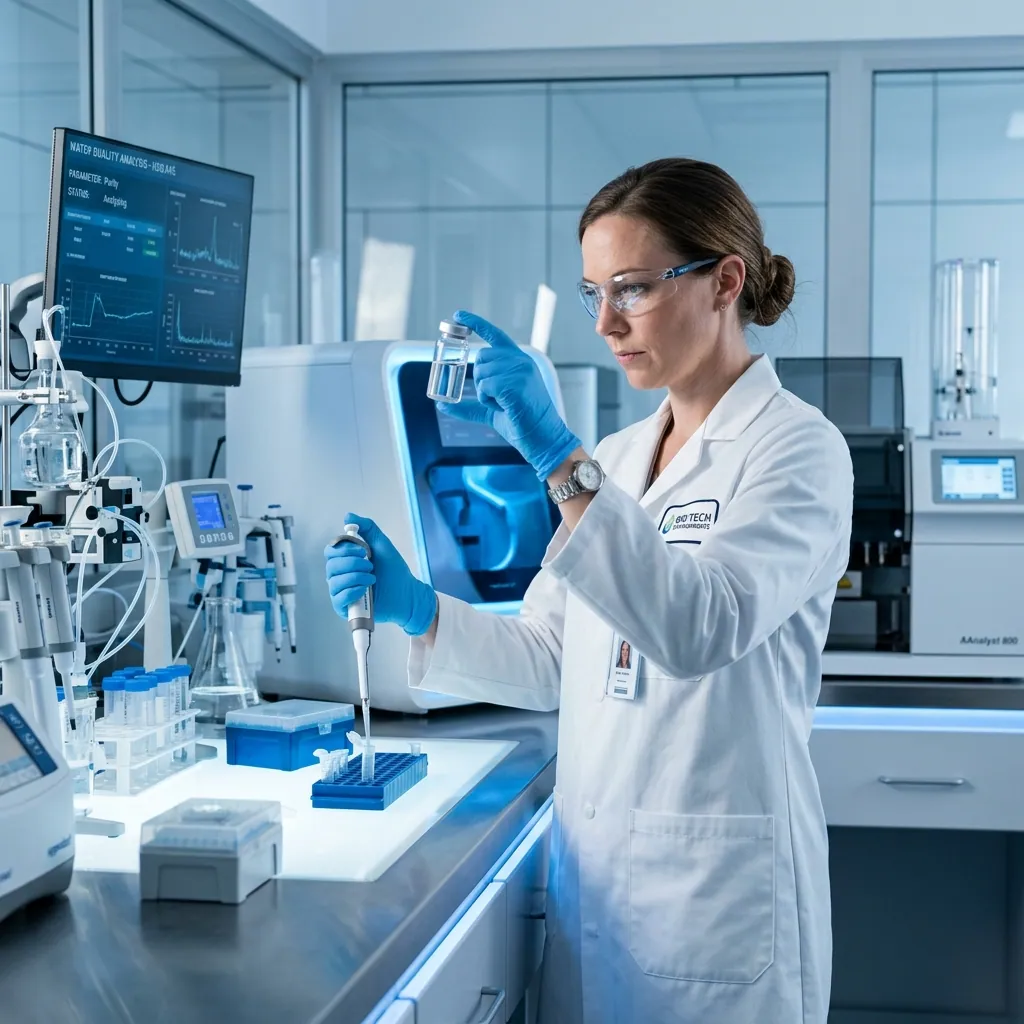

High Performance at
Industry Standard
We offer premium solutions to guarantee quality and maximise operational efficiency in Water and Wastewater Treatment processes.
Strong Quality Control
High-purity, reliable results in compliance with international standards.
Sustainability
Energy-efficient, environmentally friendly processes that minimise the environmental footprint.
- check_circle 100% Regulatory Compliance
- check_circle Low Operating Cost
- check_circle Expert Engineering Support
- check_circle 24/7 Uninterrupted Supply Network
Key Problems Encountered in Wastewater Treatment
Industrial wastewater arrives with problems such as high organic load, acidic or alkaline character, heavy metal content, color, odor and variable flow rate.
The metal plating, textile, leather, mining, food and paper sectors each require different treatment strategies.
Acidic streams with a pH as low as 2-3, when fed directly to a biological treatment system, halt microbial activity; highly alkaline streams cause equipment corrosion and process instability. As long as heavy metals (Cr, Cu, Ni, Zn, Pb) remain dissolved, they inhibit biological treatment and complicate sludge disposal. Another significant problem is odor emissions.
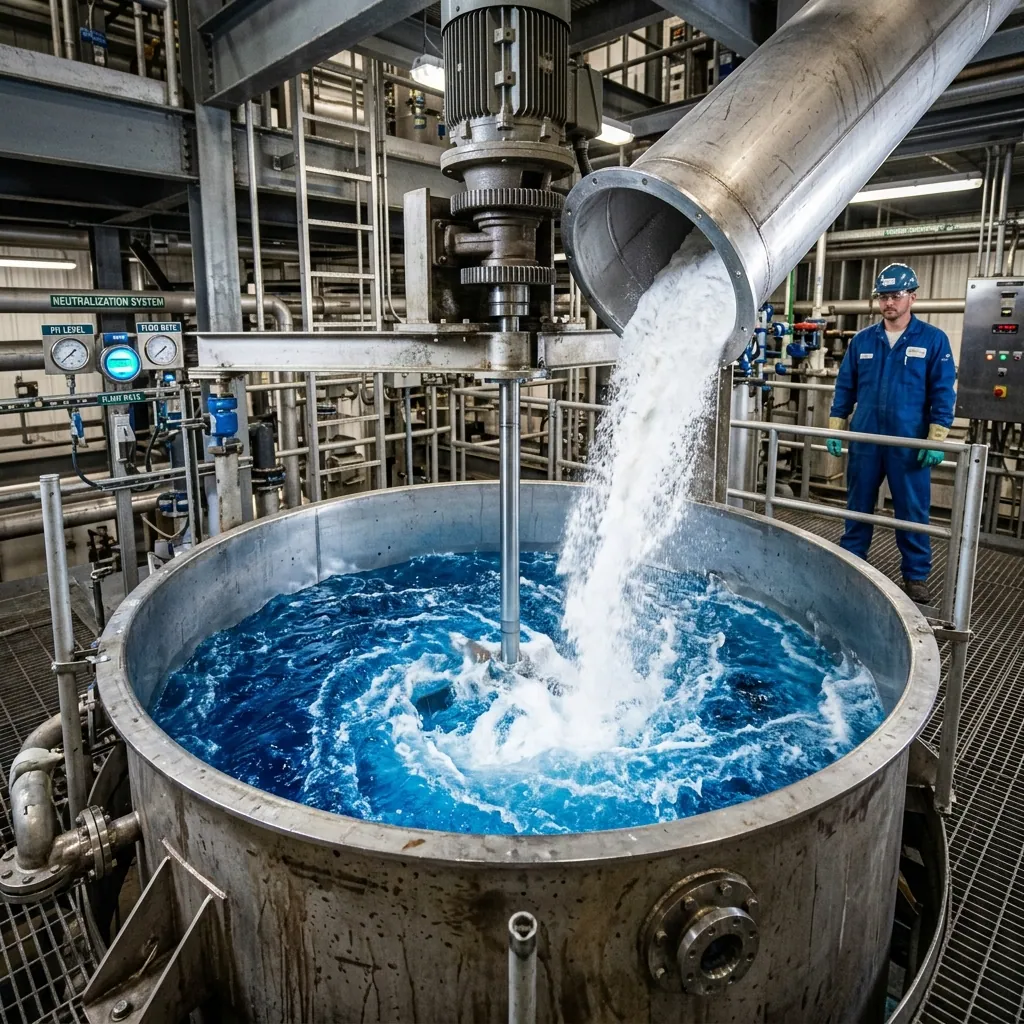
The Role of Lime-Based Solutions in Water and Wastewater Treatment
Lime products are the most common and economical chemical group in both drinking water and wastewater treatment. The three key products in this field come into play at different stages and perform complementary functions.
When selected correctly, they can significantly reduce both capital and operating costs. Hydrated lime (Ca(OH)₂) forms the backbone of chemical treatment.
It is used as a neutralization chemical to raise the pH of acidic wastewater to the desired range (generally 7-8.5 for discharge, 9-11.5 for metal precipitation). During coagulation, it acts as a coagulant aid; together with aluminum sulfate or iron salts, it facilitates the incorporation of colloidal particles into the floc structure.
Technical Points to Consider in Application
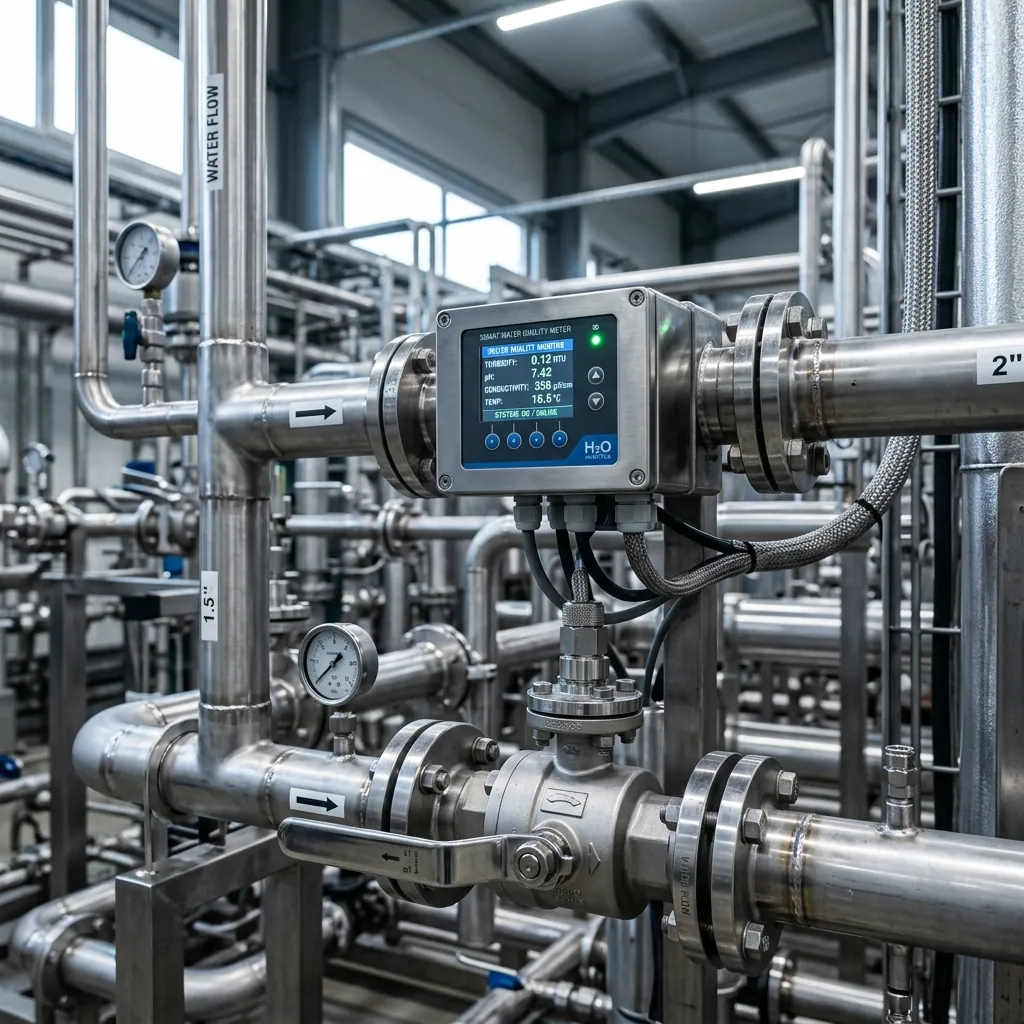
Success in lime-based treatment depends on the holistic planning of dosing, mixing, reaction time and sludge management. Dosages should be determined by laboratory jar testing, and pH and turbidity meters should be installed at the plant outlet.
Thanks to online measurement systems, dosing pumps can be adjusted in real time and lime consumption is minimized. Continuous mixing and temperature control must be maintained in milk-of-lime preparation tanks; pipelines should be designed with appropriate slope and velocity to prevent settling and clogging.
Preferably, stainless steel or specially coated pipe materials should be used, and maintenance intervals should be tightened at critical points such as valves and elbows. Moisture control in storage silos is critical; quicklime in particular can react with airborne moisture and form lumps.
Sectoral Approach as of 2026
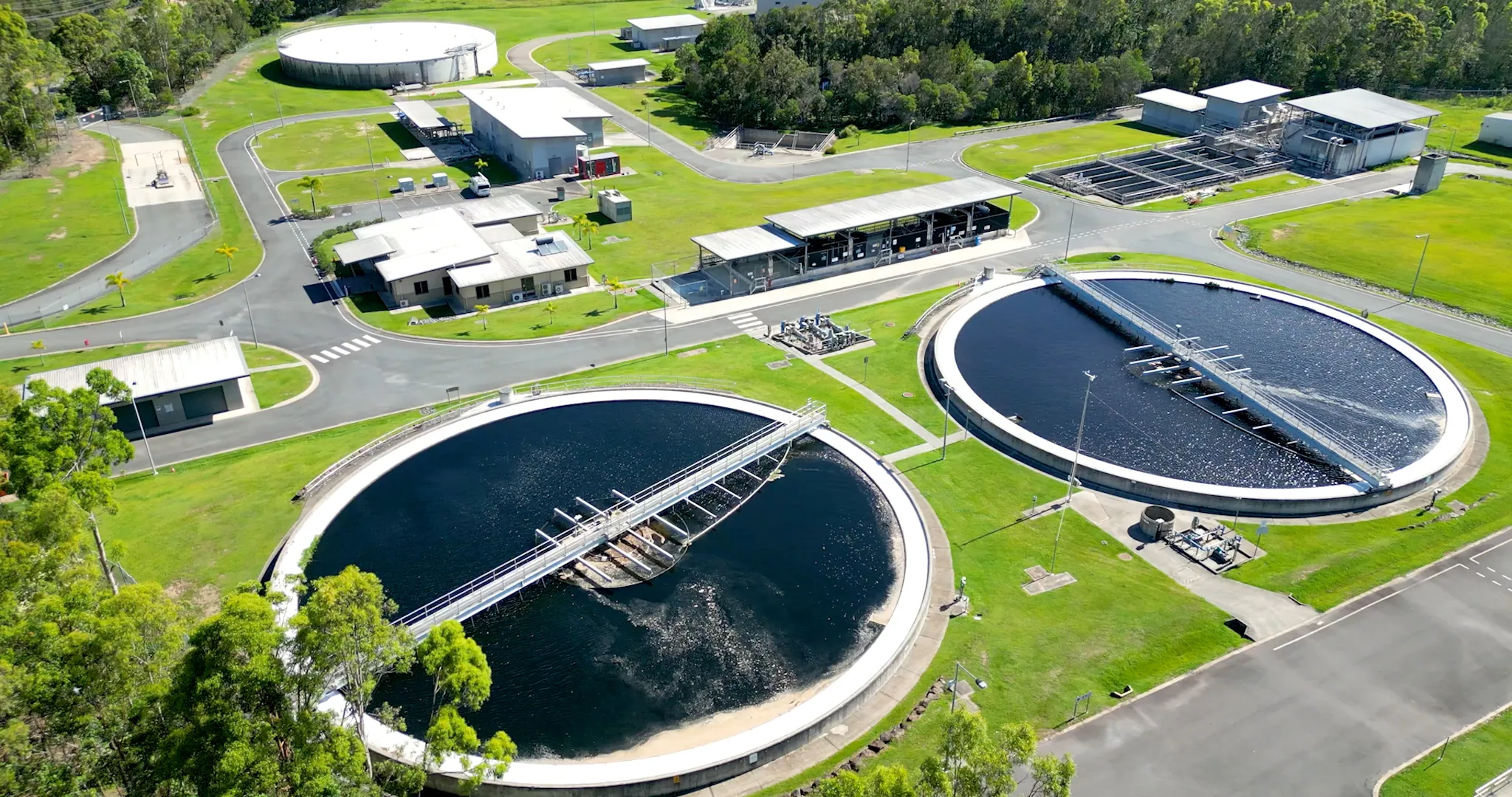
As of 2026, Best Available Techniques (BAT) are taken as a reference for water and wastewater treatment in Türkiye and at the European Union level.
In line with circular economy goals, the reuse of treated wastewater in agricultural irrigation, industrial cooling and green area irrigation is becoming widespread.
In the Urban Wastewater Treatment Regulation, phosphorus and nitrogen removal targets for sensitive areas have been tightened; the monitoring of microplastics and pharmaceutical residues has come onto the agenda. In this context, lime-based solutions retain their relevance thanks to their cost effectiveness and their ability to operate integrated with advanced chemical processes. The energy efficiency of treatment plants, digital monitoring (SCADA, IoT sensors) and AI-supported process control are seen as the prominent topics of the coming period.
