

What Is the Paper and Pulp Industry?
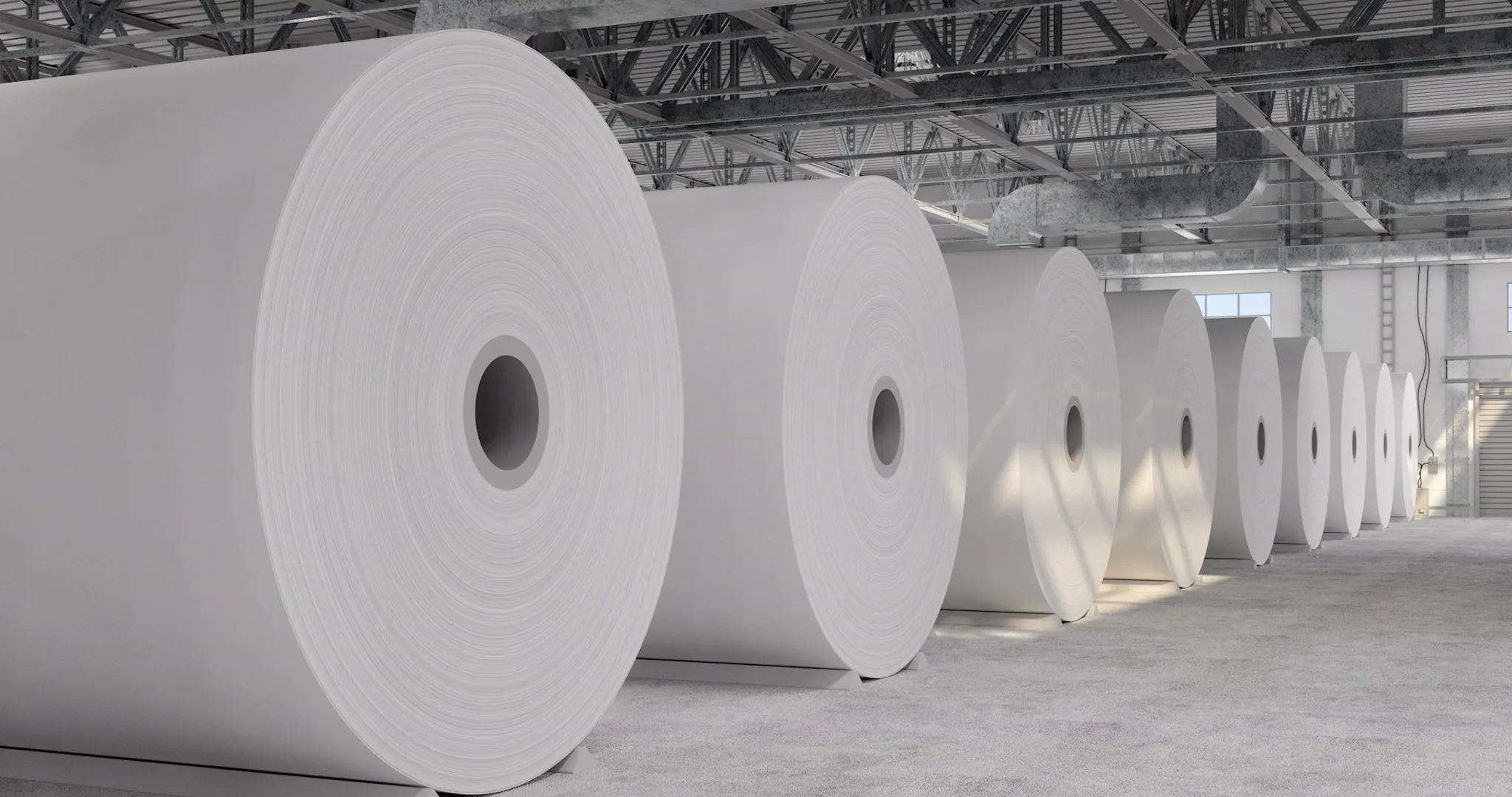
The paper and pulp industry is a process chain in which cellulose fiber passes through the stages of cooking, bleaching, refining, forming and drying to be converted into finished paper products.
In Türkiye, approximately 4 million tons of corrugated board and cardboard production is projected for 2025; the sector has publicly shared a target of reaching a production capacity of 10 million tons by 2030.
Because the production of chemical pulp (virgin cellulose) is quite limited in Türkiye, the sector relies largely on imported pulp, domestic recycled paper and some agricultural fibrous raw materials. According to industry reports, the approximately 3.5 million tons of recycled paper sourced domestically is insufficient to meet the growing capacity on its own.
The Kraft Process and the Chemical Recovery Loop
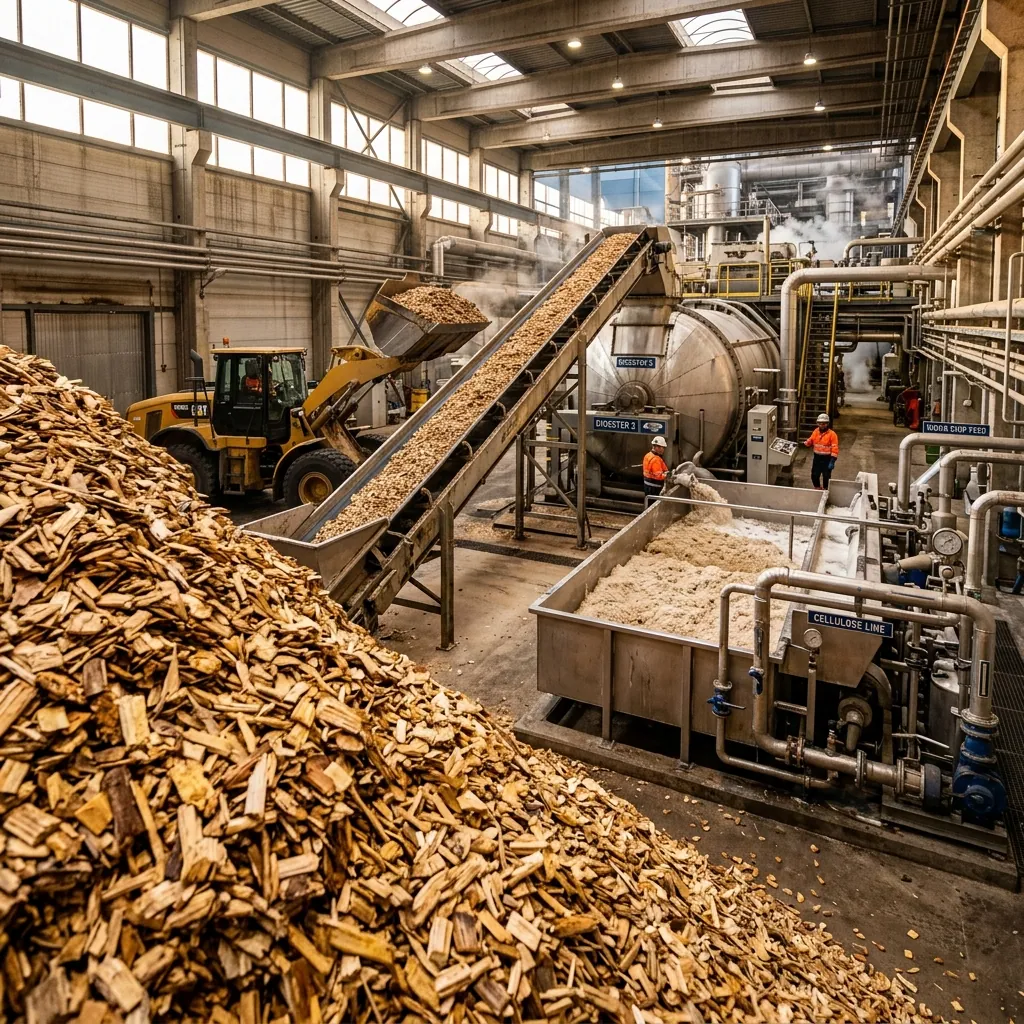
The most widely used pulp production method in the world is the Kraft (sulfate) process, and approximately three-quarters of all chemical pulp production takes place with this method. In the Kraft process, wood chips are cooked with "white liquor" containing sodium hydroxide (NaOH) and sodium sulfide (Na₂S) in a pressurized digester generally at a temperature of 160-170 °C.
This process dissolves the lignin and frees the cellulose fibers. The "black liquor" obtained at the end of cooking is concentrated in evaporators and burned in the recovery boiler.
This step both produces high-pressure steam and electricity and returns the inorganic salts in molten form as sodium carbonate (Na₂CO₃). The melt is dissolved in an aqueous medium to become "green liquor."
High Performance at
Industry Standard
We offer premium solutions to guarantee quality and maximise operational efficiency in Paper and Pulp Industry processes.
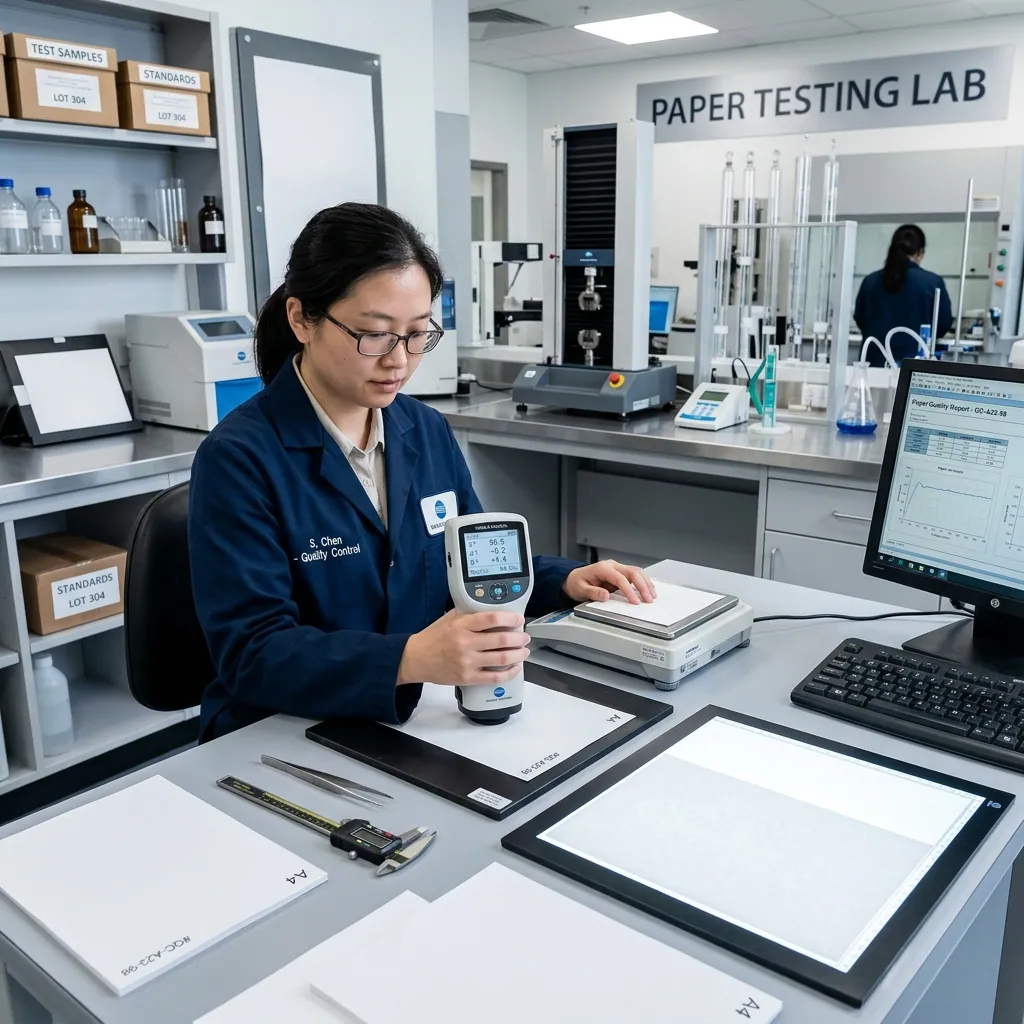
Strong Quality Control
High-purity, reliable results in compliance with international standards.
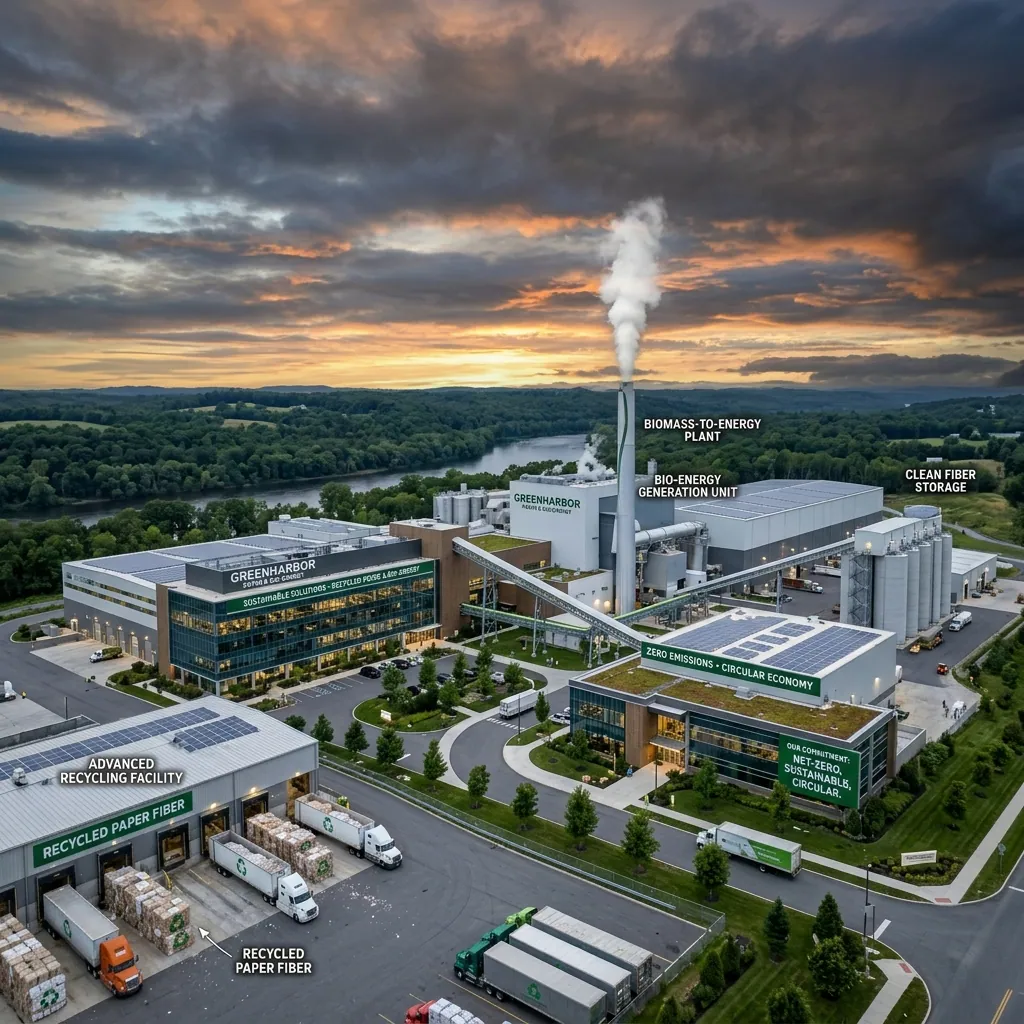
Sustainability
Energy-efficient, environmentally friendly processes that minimise the environmental footprint.
- check_circle 100% Regulatory Compliance
- check_circle Low Operating Cost
- check_circle Expert Engineering Support
- check_circle 24/7 Uninterrupted Supply Network
The Role of Lime-Based Solutions in the Paper and Pulp Industry
In terms of lime consumption, the paper and pulp industry is one of the largest industrial segments after iron and steel. The main reason for this is that the chemical recovery loop in the Kraft process cannot operate without lime.
However, lime is not only a process chemical in this sector; it also takes on critical functions on the wastewater, flue gas and logistics side. The following three product categories are intertwined in the daily operation of paper mills.
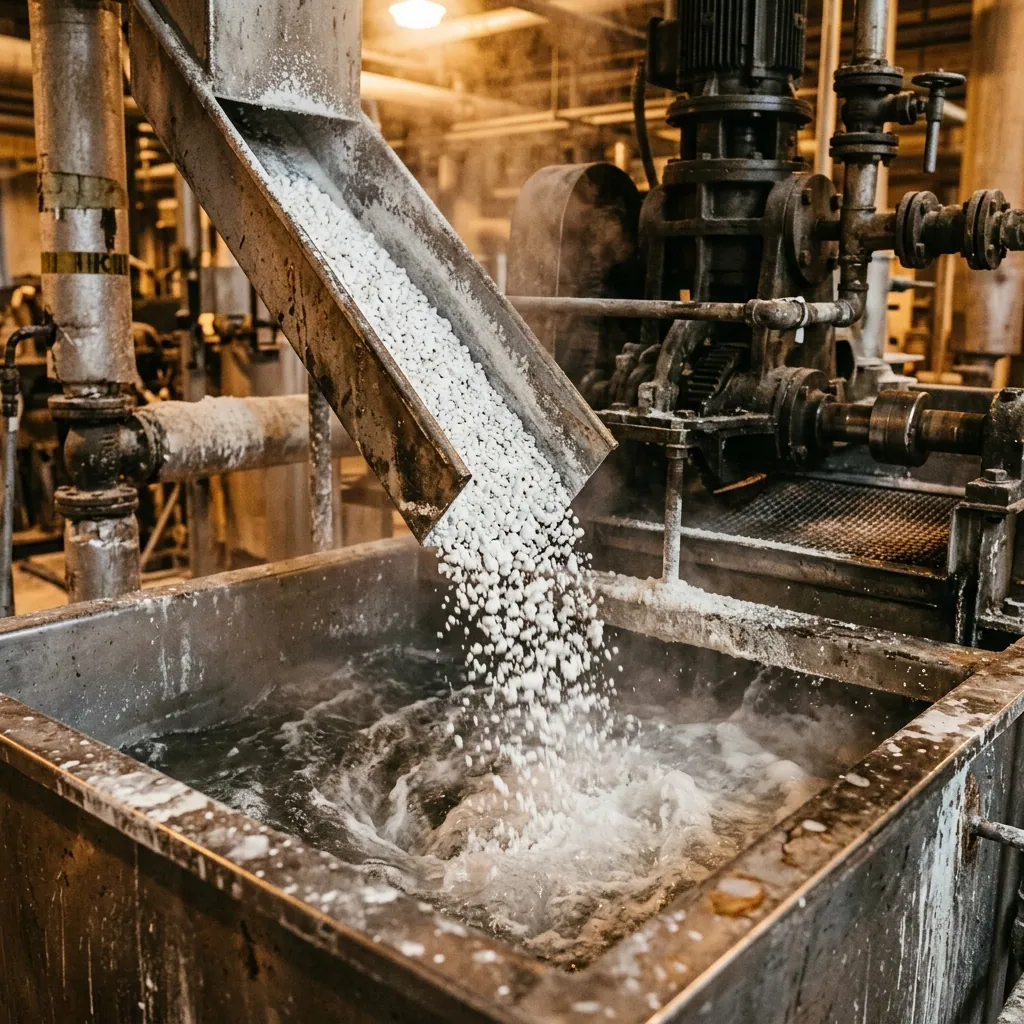
Quicklime (CaO): Quicklime, regenerated in the rotary lime kiln or supplied externally, is the first input of the causticizing line. CaO is hydrated in a controlled manner with water in the slaker, converted into a hydrated lime suspension and brought into contact with the green liquor.
Lime Applications in Wastewater and Flue Gas Treatment
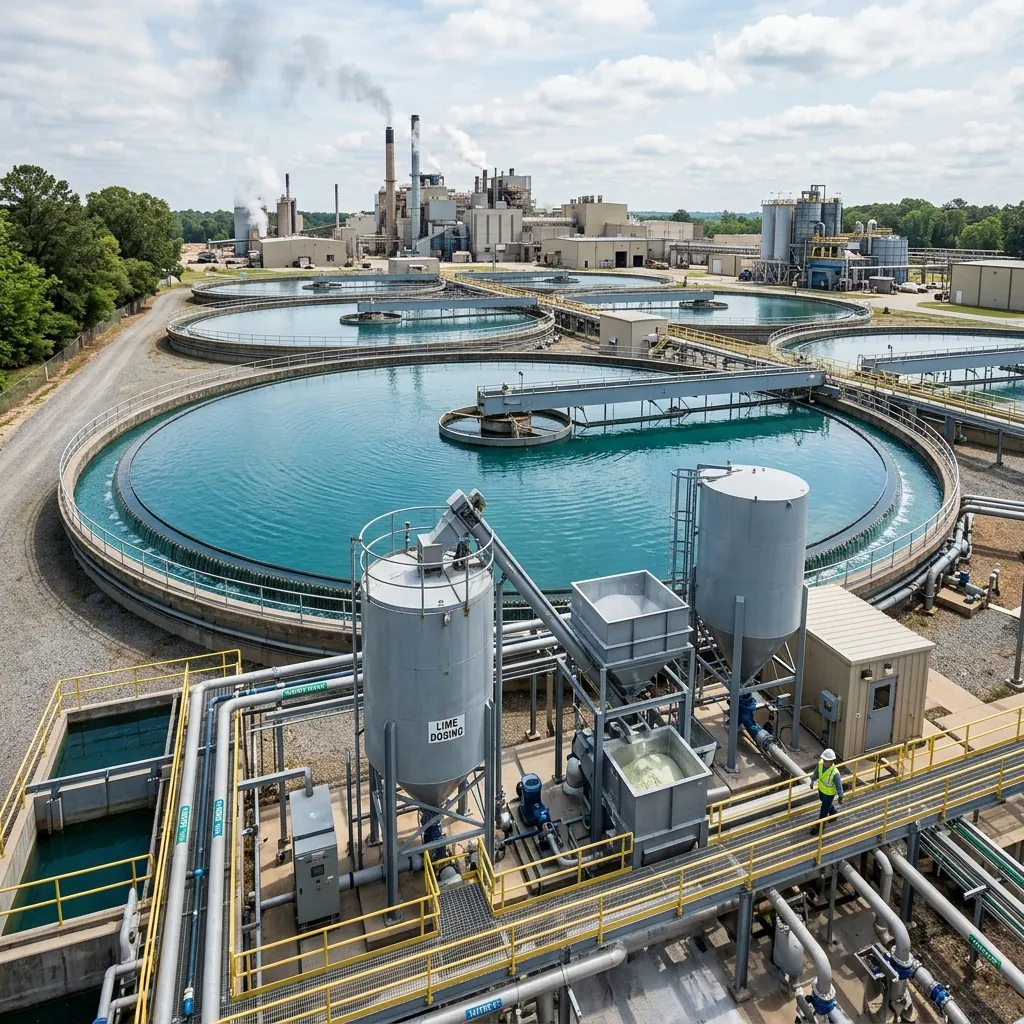
The wastewater of paper mills contains a high chemical oxygen demand (COD), marked pH fluctuations, dark color and high suspended solids (SS). For this reason, the physico-chemical treatment step is a standard section in all plants, and hydrated lime is the indispensable chemical of this section.
Lime-based treatment, generally combined with polyelectrolytes, serves the purpose of both neutralization and precipitation. pH neutralization: Acidic waters from the bleaching (ClO₂, O₃) and recycling lines are neutralized by dosing hydrated lime.
The typical dosage varies in the 0.1-0.5 g/L range. Phosphorus removal: Chemical precipitation with lime significantly reduces the phosphorus load of the water by converting orthophosphate into the Ca₃(PO₄)₂ form.
Technical Points to Consider in Application
In selecting lime, paper and pulp plants must look not only at the unit price but also at the technical parameters that directly affect process performance.
For causticizing, an active CaO of generally 90% and above is expected; low-reactivity lime slows the slaking reaction and increases slaker grits.
Impurities such as SiO₂, Al₂O₃, MgO and iron oxide both make the filtration of the lime mud difficult and, because they carry pollution into the returning system, accumulate in the system and cause the "non-process elements" (NPE) problem. Grain size homogeneity is critical for slaker performance and sediment control; a very fine fraction leads to dust losses, while a very coarse fraction leads to slow slaking. For this reason, ideal products should be shipped in a granulometry range specially determined according to the plant equipment.
Sectoral Approach as of 2026
As of 2026, the paper and pulp sector in Europe and Türkiye is rapidly transforming with the agenda of carbon footprint reduction, energy efficiency, water management and green finance.
The EU's Carbon Border Adjustment Mechanism (CBAM) and green bond standards are compelling exporting plants to be more transparent about emission performance.
Operating lime kilns with biomass and alternative fuels and integrating them into carbon capture and use (CCUS) scenarios are among the topics under discussion. Because the efficiency of the lime recovery loop directly affects both chemical costs and greenhouse gas emissions, plants are bringing precise measurement and process control systems into service.